






From Hype to Hope: Why Ingredients Matter
In a market saturated with miracle claims, focusing on ingredients shifts the power back to you. Understanding the science behind your skincare empowers you to see past the marketing and select products based on proven effectiveness. This knowledge helps
you tailor your routine to your specific skin concerns—be it acne, dryness, or the first signs of ageing. It’s the most reliable way to ensure the products you buy will actually work for you, saving you from spending money on hyped-up formulas that don't deliver and protecting your skin from potential irritation. It transforms your routine from a game of chance into a targeted strategy for healthier skin.
The 'Must-Know' Ingredients for Your Glow
You don't need a chemistry degree, just a grasp of a few key players. Vitamin C is a powerful antioxidant that brightens skin, reduces dark spots, and helps protect against environmental damage. Hyaluronic Acid is a hydration superstar, capable of holding over 1,000 times its weight in water to plump and moisturise the skin from within. Niacinamide, a form of Vitamin B3, is a versatile multitasker that helps regulate oil production, reduce redness, minimise pores, and strengthen the skin's barrier. Finally, Retinoids (derived from Vitamin A) are the gold standard for anti-ageing. They accelerate cell turnover to reduce fine lines, improve skin texture, and treat acne.
How to Decode a Skincare Label
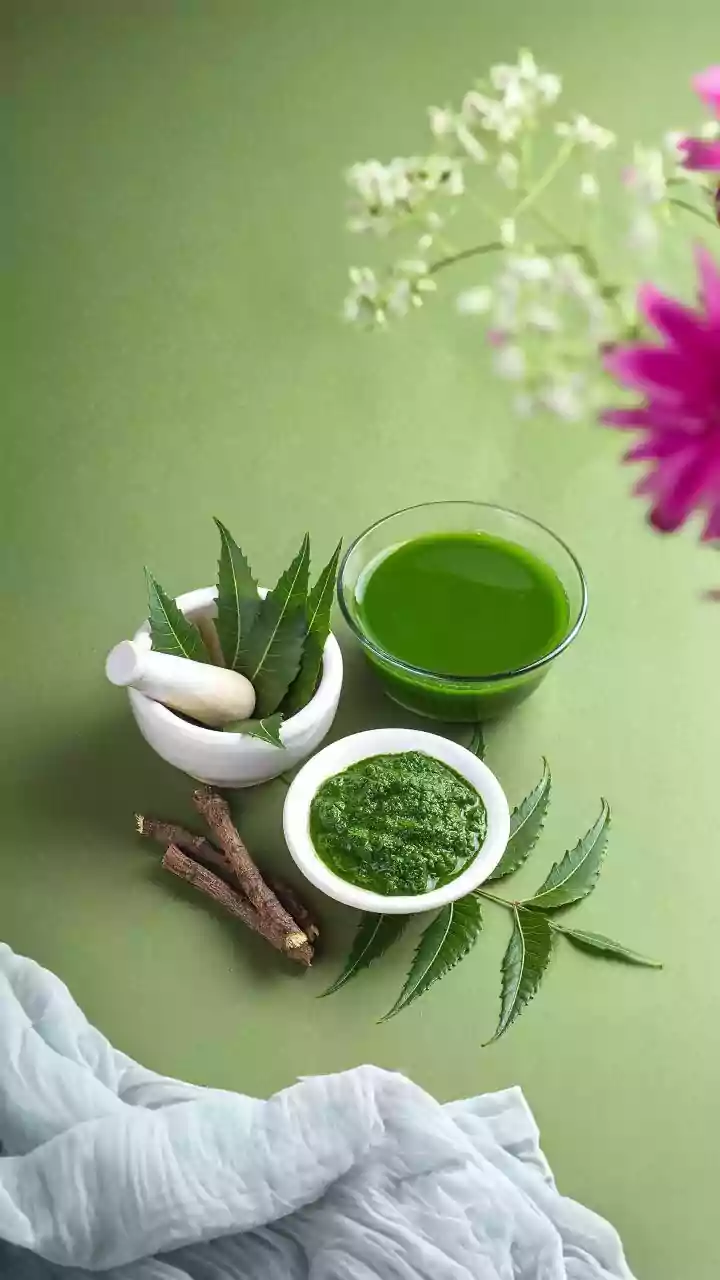
At first glance, an ingredient list (often called an INCI list) can be intimidating. The most important rule is that ingredients are listed in descending order of concentration. This means the first five or six ingredients typically make up the bulk of the product, often 80% or more. If a product boasts about a 'hero' ingredient but it appears at the very bottom of a long list, you're likely not getting an effective amount. Ingredients present at concentrations of 1% or less can be listed in any order at the end. Don't be scared by long, scientific names; many are just the official INCI names for plant-derived ingredients, like 'Helianthus Annuus Seed Oil' for sunflower oil.
Building Your Smarter Skincare Routine
Armed with ingredient knowledge, you can build a simple yet effective routine. A great starting point for the morning is a gentle cleanser, followed by a Vitamin C serum for antioxidant protection, a moisturiser, and finally, sunscreen. In the evening, after cleansing, you could incorporate a Retinoid to promote skin renewal or a Niacinamide serum to calm and repair. If you have dry skin, a Hyaluronic Acid serum can be used morning or night before your moisturiser to boost hydration. The key is to introduce new active ingredients one at a time to see how your skin reacts. Always patch-test a new product on a small area of skin before applying it to your entire face to avoid potential irritation.