
The Psychology of Open Space
Our environment directly impacts our mental state. Studies have shown that cluttered spaces can increase levels of cortisol, the stress hormone, making it difficult to focus and relax. Physical clutter acts as visual noise, constantly competing for your
attention and making your brain work harder to filter out distractions. When surfaces are clear, the mind feels calmer and more focused. This creates a sense of peace and mental breathing room that is especially valuable in a compact home. An uncluttered environment doesn't just look better; it feels better, reducing stress and anxiety. The simple act of clearing a single surface can provide instant relief and a feeling of control over your surroundings.
From Landing Pad to Multi-Use Zone
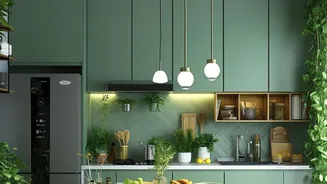
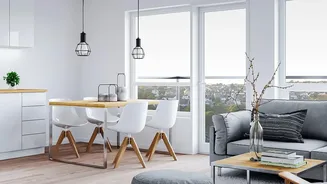
A cluttered surface has only one function: holding clutter. Flat surfaces like dining tables, coffee tables, and kitchen counters are notorious for becoming dumping grounds for mail, keys, and other miscellaneous items. When these spaces are piled high, their potential is wasted. However, a clear surface is a blank canvas. Your dining table can instantly transform from a messy pile into a home office, a space for homework, a crafting area, or a place to host a dinner party. A clear patch of floor becomes a spot for a yoga mat. This versatility is the key to flexibility in a small home. Instead of needing a dedicated room for every activity, you have multi-purpose zones that adapt to your needs throughout the day. The trick is to give everything a proper home so that clearing the surface is as easy as putting an item away.
The Illusion of a Larger Room
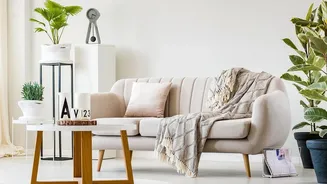
Interior designers use a concept called "visual weight" to explain how objects and colors affect our perception of a space. Dark, bulky, and heavily patterned items have more visual weight, making a room feel smaller and more crowded. Clutter is the ultimate source of unwanted visual weight. A pile of items on a table stops the eye, making the room feel compressed. Conversely, a clear, open surface allows the eye to travel across it uninterrupted. It reflects light and creates clean lines, which are two powerful tools for making a small space feel larger and more open. You don't have to knock down walls to create a sense of expansiveness; you just need to give your eyes room to breathe.
The 'Without More Storage' Solution
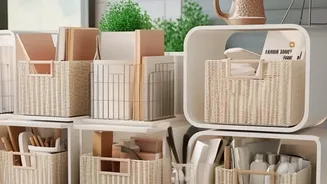
The headline's promise is powerful because it sidesteps the most common—and often impractical—advice to simply buy more storage. The goal isn't to accumulate more bins and shelves, but to use your existing storage more thoughtfully. This starts with decluttering what you already own. If your drawers and closets are overflowing, your surfaces will inevitably become overflow zones. Before you can maintain clear surfaces, you must ensure everything you own has a designated, easy-to-access home that is not a flat surface. This might mean getting rid of things to make space, rather than buying another container. The focus shifts from acquiring more storage to curating what you need to store.
How to Build the Clear Surface Habit
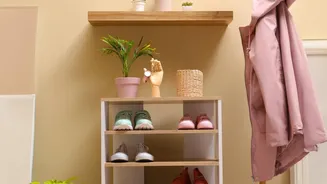
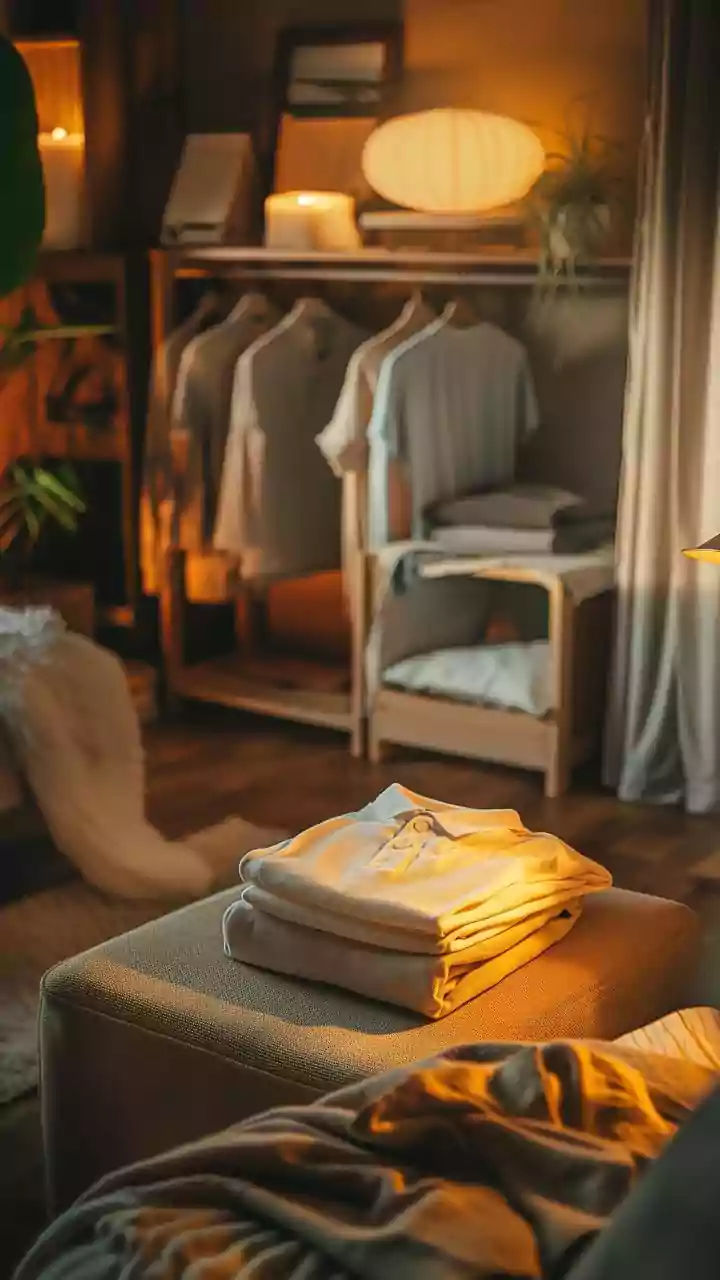
Keeping surfaces clear is a habit, not a one-time project. Since clutter attracts more clutter, the key is to prevent the first few items from landing. Start small by choosing one surface to keep clear at all times, like your coffee table or kitchen island. Create a "drop box" or basket near the entrance for random items that can be sorted later, preventing them from scattering across the house. For clothes worn once, a designated hamper or bin is a better solution than the back of a chair. Finally, implement a five-minute reset at the end of each day. Quickly walk through your home and return any stray items to their designated spots. This simple routine prevents small messes from turning into overwhelming clutter.