


A Shift Towards Healthier Grains
One of the biggest drivers of this trend is a growing consciousness around health and wellness. For years, the conversation has centered on the high glycemic index of polished white rice and its potential links to lifestyle diseases. This has led many
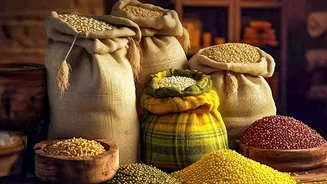
to seek out more nutritious alternatives. Traditional varieties like red rice, black rice, and other unpolished grains are stepping into the spotlight. These grains retain their bran layer, which is packed with dietary fibre, antioxidants, vitamins, and minerals. For example, Navara rice from Kerala, a grain with deep roots in Ayurveda, is praised for being rich in iron and easy to digest, making it suitable for all ages. Similarly, Manipur's black rice, or Chak-Hao, is loaded with anthocyanins, the same powerful antioxidants found in blueberries. Consumers are no longer just looking for a source of carbohydrates; they want a staple that actively contributes to their well-being.
The Allure of Authentic Flavours
Beyond health, there is a powerful pull towards authentic taste and aroma that modern, high-yield varieties often lack. Many heirloom rice types are prized for specific culinary qualities that define regional cuisines. Take Gobindobhog from West Bengal, a short-grain, sticky rice with a sweet, buttery flavour. It is the soul of Bengali dishes like payesh and khichuri, and its unique aroma is irreplaceable. In Maharashtra, Ambemohar rice releases a scent reminiscent of mango blossoms, making it a local favourite. Meanwhile, Kala Namak, an ancient variety from Uttar Pradesh known as 'Buddha's gift', has a distinct nutty taste and a fragrance stronger than many Basmati types. As people explore India's diverse culinary traditions, they are realising that the specific rice used is not just a base, but a key ingredient that elevates the entire dish.
Supporting Farmers and Biodiversity
This consumer shift also has significant environmental and economic benefits. For decades, the focus on high-yield monoculture, spurred by the Green Revolution, led to the disappearance of thousands of indigenous rice varieties. Choosing to buy heritage rice is an act of agricultural preservation. These traditional varieties are often more resilient and better adapted to local climatic conditions, sometimes requiring fewer chemical fertilisers and pesticides to thrive. This movement is being supported by conservationists and farmers who have been working to maintain seed banks and reintroduce these grains. When consumers purchase varieties like Mappillai Samba or Poongar from Tamil Nadu, they are often directly supporting small-scale farmers who are custodians of this genetic diversity, ensuring that these precious grains don't vanish forever.
From Local Markets to Online Carts
Until recently, most of these unique rice varieties were confined to their regions of origin. If you didn't live in West Bengal, finding authentic Gobindobhog was a challenge. However, the rise of e-commerce and direct-to-consumer (D2C) brands has been a game-changer. Online platforms now offer a vast selection that was previously unavailable in traditional retail stores, delivering these heritage grains directly to doorsteps across the country. This digital access has not only educated consumers about the existence and benefits of these varieties but has also created a viable national market for farmers. Brands are building narratives around the origin, nutritional profile, and cultural significance of each grain, turning a simple purchase into a story of discovery and connection.