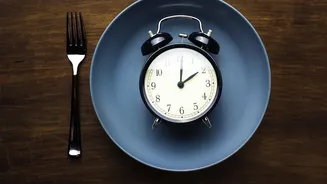







Your Body's Internal Clock
Deep inside you is a master timekeeper called the circadian rhythm. This 24-hour internal clock is hardwired into your DNA, telling your body when to wake, sleep, release hormones, and, crucially, when to digest food. For millennia, this clock has been
synced to the sun. It programs your body to be active and eat during the day, and to rest and repair at night. Working a night shift forces you to live against this ancient rhythm, creating a state of 'metabolic jet lag' that can disrupt your health.
Digestion Is a Daytime Job
Your digestive system isn't designed for a 24/7 workload. It’s most efficient during daylight hours, when it's primed to produce enzymes, absorb nutrients, and manage blood sugar effectively. As evening approaches, your metabolism naturally slows down. When you eat a large meal in the middle of the night, you’re asking your digestive system to perform a demanding task when it's winding down for its own 'night shift' of rest and repair. This misalignment is a core reason why night shift work is linked to a higher risk of digestive problems, weight gain, and metabolic issues like diabetes.
The Problem with Midnight Meals
Eating significant meals late at night can disrupt the body in several ways. Firstly, it impairs your body's ability to process sugar, leading to higher blood glucose levels. One study found that nighttime eating boosted blood sugar by an average of 6.4%. Over time, this can increase the risk of developing insulin resistance and Type 2 diabetes. Secondly, because digestion is slower at night, heavy or oily foods can sit in your stomach for longer, causing discomfort, acidity, bloating, and heartburn, which can ruin any chance of quality sleep once your shift ends. This creates a vicious cycle of poor sleep and poor food choices.
Make Your Main Meal a 'Day' Meal
The most effective strategy is to align your main meals with your body's clock, not your work schedule. This means eating your largest, most balanced meal before your night shift begins, during daylight hours. For example, if your shift starts at 8 p.m., aim to have a substantial 'dinner' around 6 or 7 p.m. This meal should be rich in protein, complex carbohydrates, and vegetables to provide sustained energy. This front-loads your nutrition, fuelling your body when your metabolism is more active and reducing the need for a large, disruptive meal later.
Smart Snacking Through the Night
Constant grazing throughout your shift is a mistake, as it never gives your digestive system a break. Instead of a large 'lunch' break at 2 a.m., plan for one or two small, healthy snacks to maintain energy and alertness. Avoid the vending machine and the temptations of oily, fried, or sugary foods. These can cause energy crashes and digestive distress. Excellent options to pack from home include nuts, roasted makhana or chana, yoghurt, fruit, vegetable sticks with hummus, or a protein shake. These provide nutrients without overwhelming your resting gut.
The Post-Shift Wind-Down
After a long night, it's tempting to have a big breakfast before crashing. However, this can also interfere with sleep quality and digestion. The goal is to eat something small and light that won't disrupt your body's ability to transition into sleep. Think of it as a small, pre-sleep snack rather than a full meal. A glass of milk, a small bowl of poha or oats, or a simple protein shake are good options. Avoid caffeine for at least six hours before you plan to sleep to ensure your rest is as restorative as possible.