


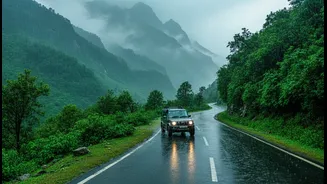
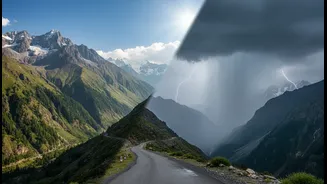


The Reality of Monsoon Travel
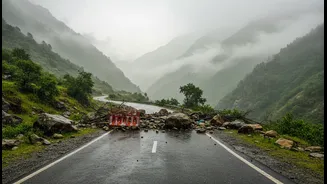
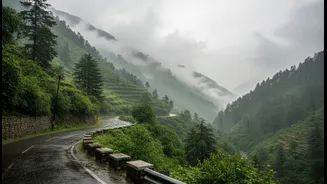
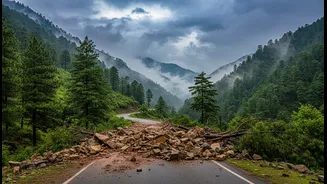
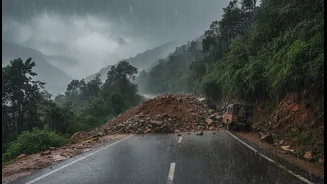
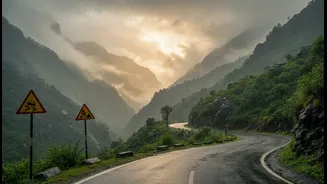
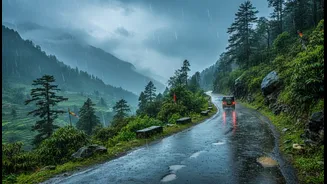
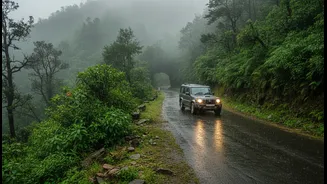
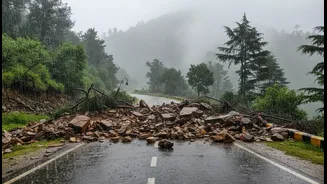
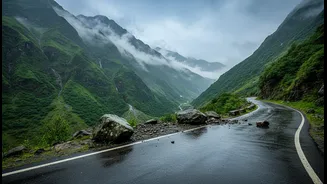
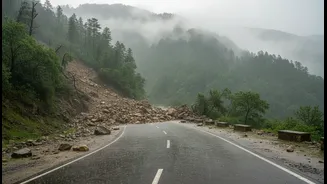
July marks the peak of the monsoon in Himachal Pradesh, a period when the state is exceptionally beautiful but also potentially hazardous for travellers. Heavy rainfall can trigger landslides, flash floods, and cloudbursts, leading to sudden and prolonged
road closures. In early July 2026, several districts have already been impacted. The India Meteorological Department (IMD) has issued orange and red alerts for districts like Kangra, Kullu, Mandi, and Shimla, warning of heavy to very heavy rainfall. These conditions can lead to blocked highways, with dozens of roads, including major arteries, being shut down at a moment's notice. Just recently, a hillside collapse caused significant delays on the Kalka-Shimla highway, while flash floods have temporarily blocked the Manali-Leh and Kinnaur highways. These events underscore the critical need for travellers to stay informed.
Key Routes and Current Conditions
Certain routes are more vulnerable than others during the monsoon. As of early July 2026, here’s a snapshot of what to expect: Kalka-Shimla Highway (NH-5): This is a critical lifeline to the state capital. While authorities have installed new slope drainage systems to mitigate landslide risks, the route remains susceptible. A recent hillside collapse near Solan has led to bottlenecks, and travellers should anticipate delays. Manali-Leh Highway: This iconic route is generally open in July, but the section on the Manali side is prone to rain-induced disruptions. A recent flash flood at Jispa caused a temporary closure, stranding nearly 1,000 vehicles before the Border Roads Organisation (BRO) cleared the highway. Water crossings also become more aggressive in the afternoon due to glacial melt. Roads to Kinnaur and Spiti: The route into Spiti Valley via Shimla and Kinnaur (NH-5) is often considered more reliable than the Manali side, but it is not immune to problems. The stretch between Wangtu and Sumdo is known for landslide activity. Flash floods recently blocked NH-5 in Kinnaur, requiring clearance operations to restore traffic. The Manali-Kaza road is technically open but can close suddenly due to rain around the high passes.
Official Sources for Road Status
Given the fluid situation, relying on real-time, official information is paramount. Generic travel blogs or outdated posts can be misleading. Here are the primary sources to consult before and during your journey: Himachal Pradesh Police & Traffic Police: The state police frequently post updates on their official social media channels (especially Twitter and Facebook) and through press releases. These are among the most reliable sources for immediate closure and reopening news. District Administration Websites: The official websites for districts like Lahaul and Spiti or Kinnaur often have dedicated sections for road status, especially for seasonal routes. State Emergency Operations Centre (SEOC): The SEOC provides detailed daily reports on road closures, weather warnings, and disruptions to essential services across the state. These reports are often cited in local news media. IMD Shimla: For weather forecasts and warnings, the IMD's regional centre in Shimla is the authoritative source. Their alerts (yellow, orange, red) provide crucial context for travel planning. Some community-driven platforms are also emerging to provide crowdsourced, real-time updates, which can be a useful supplement to official channels.
Essential Safety and Planning Tips
If you decide to travel to Himachal this monsoon, preparedness is key. The authorities have deployed over 15,000 workers and more than 1,100 machines for road restoration, but safety begins with the traveller. 1. Build Buffer Days: Do not plan a tight itinerary. Assume there will be delays and build extra days into your schedule to accommodate potential road blocks. 2. Avoid Night Driving: Visibility is poor and the risk of encountering a fresh landslide is significantly higher after dark. Plan to reach your destination well before sunset. 3. Heed Local Advice: Trust the guidance of local police, administration officials, and experienced drivers over your GPS. They have the most current information about treacherous sections. 4. Stay Away from Water Bodies: Rivers and streams can swell dangerously and without warning. Avoid parking near them or attempting to cross flooded roads. 5. Parking Precautions: The police have issued advisories against parking vehicles near old or weak trees, especially during rain and high winds, as falling trees have caused significant damage. 6. Pack an Emergency Kit: Keep extra food, water, a first-aid kit, a torch, and a power bank in your vehicle. Offline maps can also be a lifesaver if you lose connectivity.