






Beyond 'Healthy': The Demand for Nutrition
For years, the word 'healthy' was enough. A snack cart offering fruit chaat or boiled corn could rely on that simple tag. But today’s consumers are digging deeper. Spurred by a growing wellness culture and greater health awareness, people want to know
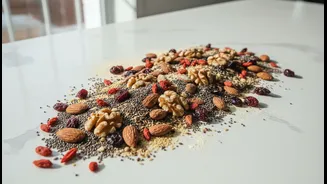
what's in their food. A recent report highlighted that 86% of Indian consumers consider protein an important factor when choosing snacks. This shift means vendors can no longer just claim a snack is healthy; they need to be prepared to show it. This involves moving towards providing clear information, whether it’s calorie counts, protein content, or the types of ingredients used. Consumers are increasingly rejecting snacks with refined sugar, preferring natural alternatives like jaggery or dates. For a small cart, this doesn't necessarily mean printing complex labels, but being knowledgeable and transparent about what they are serving. This pivot from a vague promise of health to specific nutritional value is the first major change reshaping this informal sector.
The Currency of Trust and Hygiene
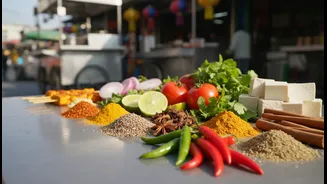
If nutrition is what draws a customer in, trust is what keeps them coming back. In the post-pandemic landscape, hygiene has become a non-negotiable factor for many. Consumers are far more conscious of cleanliness, food handling practices, and the overall safety of what they eat. For street food vendors, this has put a new emphasis on building credibility. According to the Food Safety and Standards Authority of India (FSSAI), all food vendors, including those with carts, must have FSSAI registration to operate legally. This registration, which should be displayed, acts as a baseline guarantee of compliance with safety standards. Beyond regulations, trust is built through visible actions: using clean water, wearing gloves and headgear, keeping the cart tidy, and avoiding cross-contamination. Studies show that while taste is key, consumers, particularly working women, are highly concerned about food hygiene. As a result, a vendor's reputation for cleanliness and quality is becoming as valuable as their recipes. This focus on trust is turning informal snack sellers into micro-brands.
The Quick-Commerce Revolution
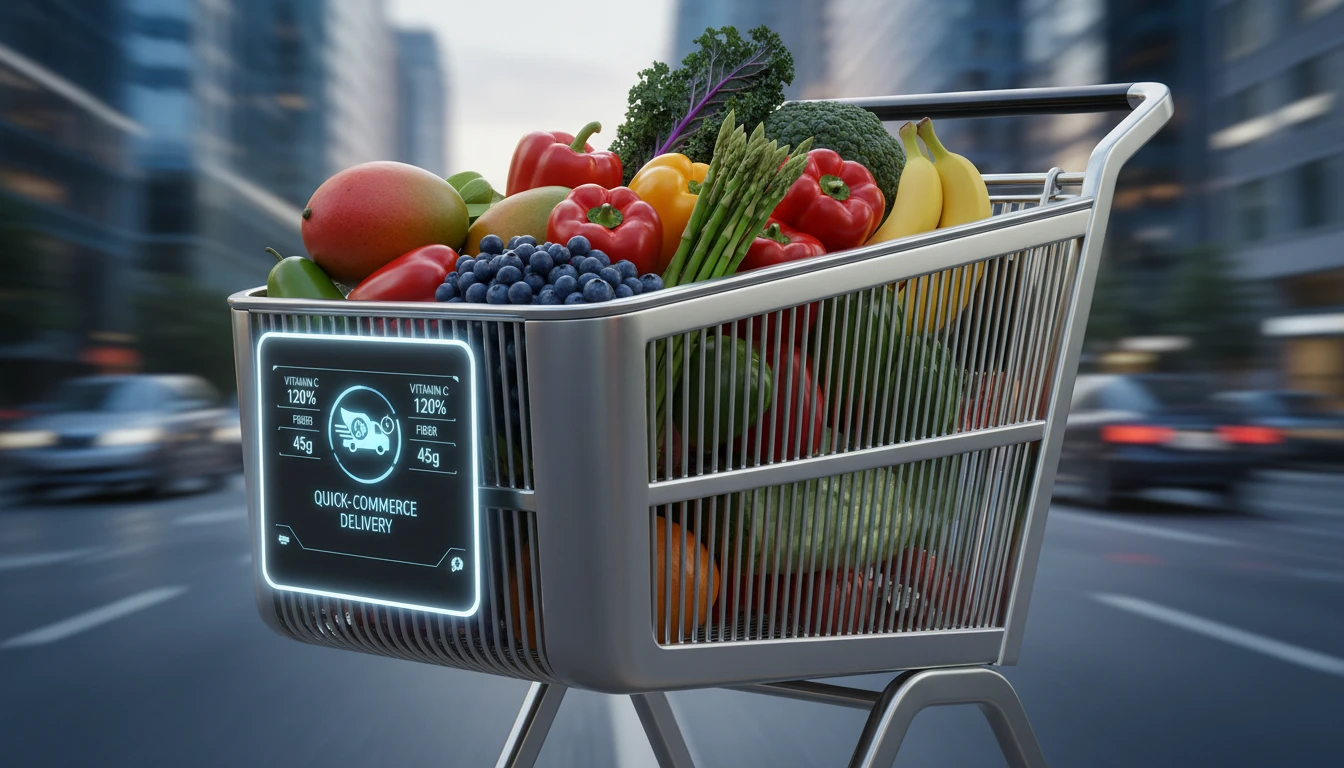
The final, and perhaps most transformative, piece of the puzzle is digital visibility. The rise of quick-commerce platforms like Blinkit, Zepto, and Swiggy Instamart has fundamentally changed consumer behaviour. What started as a service for emergency groceries has become a primary channel for all kinds of purchases, including snacks. Reports show that quick commerce is not just growing, but accelerating, with some platforms seeing a 10x growth in orders from Tier-2 cities. For a healthy snack cart, this presents both a challenge and an enormous opportunity. Being listed on these apps gives a vendor access to a much wider customer base beyond their physical location. It allows them to tap into the market of consumers who prioritise convenience and are used to making impulse buys through their phones. Recent data shows a significant portion of snack purchases are already happening on these platforms. This integration forces vendors to think like a modern business, managing online orders, maintaining consistent quality for delivery, and potentially operating like a mini 'cloud kitchen' from their cart.
The New Playbook for Snack Entrepreneurs
These three pillars—nutrition, trust, and quick-commerce—are not independent; they are deeply interconnected. A vendor who provides clear nutritional information builds consumer trust. This trusted brand is then perfectly positioned to be listed on a quick-commerce platform, where positive ratings and reviews can further amplify its reputation. The platforms themselves are becoming discovery engines, where a high-quality, reliable snack provider can quickly gain a following. This creates a virtuous cycle where offline quality drives online success, and online visibility brings more customers to the physical cart. The Indian healthy snacks market is projected to grow significantly, with some estimates suggesting a CAGR of nearly 10%. The small-scale vendor who masters this new playbook—combining a quality product with transparent nutritional claims, impeccable hygiene, and savvy digital integration—is best placed to capture a piece of this expanding market. It's a shift from simply selling food on a street corner to building a modern, resilient, and scalable micro-enterprise.