







Understanding Dietary Fibre
Dietary fibre, often called roughage, is a type of carbohydrate found in plant-based foods like fruits, vegetables, whole grains, and legumes. [13] Unlike other carbs, fats, or proteins, your body can't digest or absorb fibre. Instead, it passes relatively
intact through your digestive system, which is precisely why it’s so beneficial. [4] There are two main types: soluble and insoluble fibre. Soluble fibre dissolves in water to form a gel-like substance that slows digestion, helping you feel full and controlling blood sugar. [2, 7] Insoluble fibre does not dissolve in water; it adds bulk to your stool, promoting regularity and preventing constipation. [2, 8] Most plant foods contain a mix of both, which work together for your health. [3]
The Powerful Health Benefits
A diet rich in fibre is linked to numerous health advantages. One of its most well-known benefits is promoting digestive health and regularity. [4] By softening and adding weight to stool, fibre helps prevent constipation. [4] Beyond digestion, soluble fibre plays a crucial role in heart health by helping to lower 'bad' LDL cholesterol levels. [4, 10, 15] It also slows the absorption of sugar, which can help improve blood sugar control, a significant benefit for individuals managing diabetes. [4, 11, 13] Furthermore, high-fibre foods tend to be more filling, which can help with weight management by keeping you satisfied longer and reducing overall calorie intake. [4, 20] Research also associates high fibre intake with a lower risk of chronic diseases like heart disease, type 2 diabetes, and certain cancers. [6, 14]
How Much Fibre Do You Need?
While needs can vary slightly, general guidelines recommend that adult men aim for about 38 grams of fibre per day, and adult women aim for 25 grams. [6, 15] Unfortunately, most people consume only about half of the recommended amount. [6, 9] The goal should be to get this fibre from whole foods rather than supplements, as fibre-rich foods also provide essential vitamins, minerals, and other beneficial nutrients that supplements lack. [3, 14] The recommended daily intake is easily achievable by making conscious food choices throughout the day. [5]
Fibre-Rich Foods in the Indian Kitchen
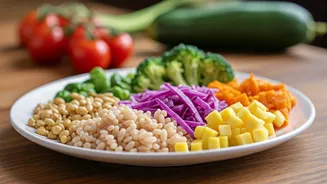
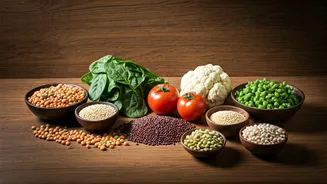
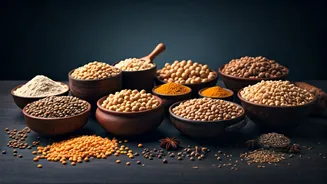
The good news is that a traditional Indian diet is naturally rich in high-fibre foods. Millets like ragi, jowar, and bajra are excellent sources and can be used to make rotis or porridge. [11, 16] Legumes and pulses are staples; lentils (dal), chickpeas (chana), and kidney beans (rajma) are packed with both fibre and protein. [11, 17, 19] When it comes to grains, simply swapping white rice for brown rice and using whole wheat (atta) for chapatis significantly boosts your fibre intake. [17] Vegetables like carrots, spinach (palak), green peas (matar), and beans are also great sources. [18] For fruits, guavas, apples (with skin), bananas, and papayas are fantastic, fibre-rich options readily available across the country. [11, 16, 18]
Tips for a Gradual Increase
If your current diet is low in fibre, it's best to increase your intake gradually. A sudden jump can lead to temporary bloating, gas, or cramping as your digestive system adjusts. [21] A simple strategy is to add one high-fibre food to your day and build from there. Try starting your day with a high-fibre breakfast like oatmeal or a whole-grain cereal. [22] Make small swaps, such as choosing wholemeal bread over white bread or adding a handful of lentils to your soup or salad. [21, 23] It's also crucial to increase your water intake as you increase fibre, as fibre works best when it absorbs water, which aids in its movement through the digestive system. [20, 21]