

What Exactly Is a 'Ghotala'?
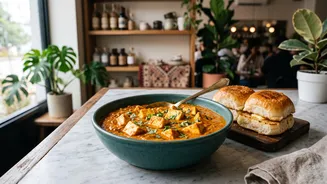
In Hindi and Gujarati, the word 'ghotala' translates to 'scam' or 'mess'. It’s a fittingly playful name for a dish that is, in essence, a glorious, mashed-up medley of ingredients. Hailing from the vibrant street-food scene of Surat in Gujarat, Paneer
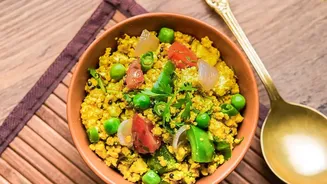
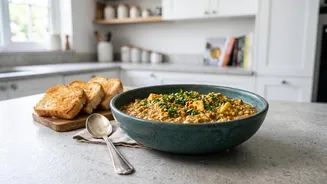
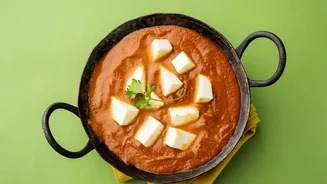
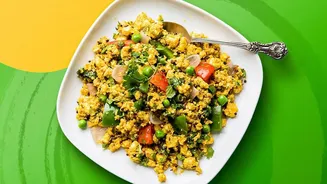
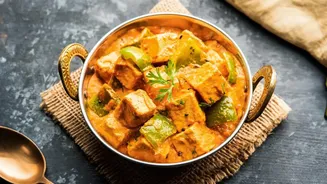
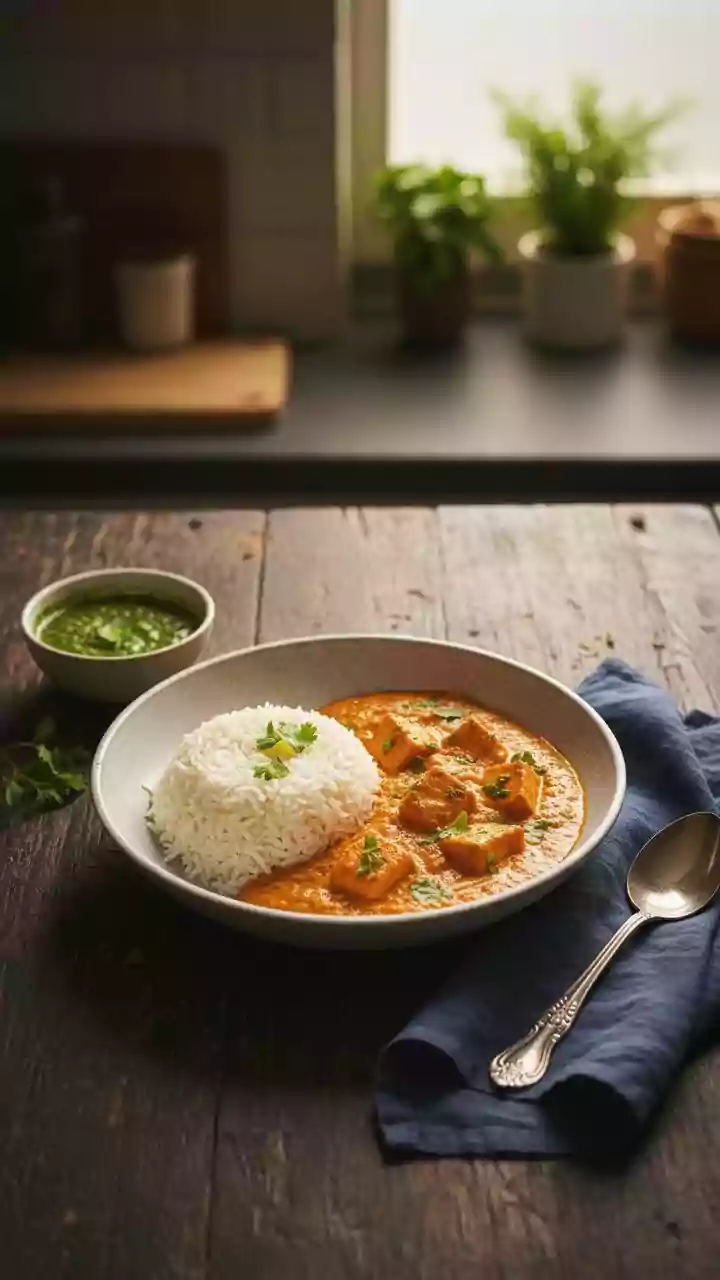
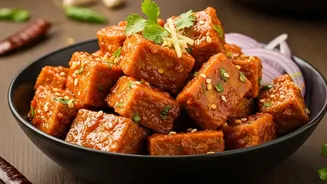
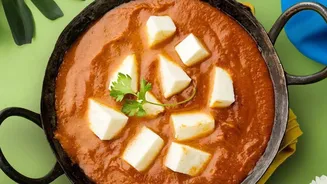
Ghotala is the vegetarian answer to the popular 'Anda Ghotala' (a similar dish made with eggs). At its core, it's a rich and spicy preparation where grated paneer is cooked down with a flavourful base of onions, tomatoes, and a signature blend of spices. The result is not quite a dry 'bhurji' and not quite a liquid curry, but something uniquely in between—a thick, scoopable delight that’s packed with flavour.
The Soul of the Street
What makes the street-vendor version so irresistible? It often comes down to the tools and technique. Vendors typically work on a massive flat-top griddle called a 'tawa', which allows for high, even heat. They expertly sauté the aromatics, mash the tomatoes and vegetables directly on the hot surface with a steel masher, and then mix in heaps of paneer, butter, and often a generous grating of cheese. This constant mashing and mixing is what creates the 'ghotala' texture. A key flavour component that gives it that unmistakable street-style kick is pav bhaji masala, a complex spice blend that brings warmth and depth to the dish.
From the Streets of Surat to Your Kitchen
The good news is you don't need a giant tawa to bring this Surati magic home. A large, heavy-bottomed pan or kadai will work perfectly. The trick is to mimic the process. The foundation of a great Ghotala is its masala base. This isn't a dish for chunky vegetables; everything should be finely chopped to help it break down into a cohesive, flavourful gravy. Don't be shy with the butter, as it adds a necessary richness that balances the spices. While some recipes call only for grated paneer, a common street-style technique involves using multiple textures—some grated, some crumbled, and even some small, lightly fried cubes for a more complex mouthfeel. This ensures every bite is interesting.
The Ghotala Method: A Step-by-Step Guide
Ready to get cooking? Start by heating a mix of oil and butter in your pan. Add cumin seeds, followed by finely chopped onions, ginger-garlic paste, and green chillies. Sauté until the onions are soft and translucent. Next, add finely chopped tomatoes and cook them down until they become soft and mushy, releasing their oil. This is the moment to use a potato masher to help break everything down. Now, it's time for the spices: turmeric, red chilli powder, coriander powder, and the all-important pav bhaji masala. Stir for a minute until aromatic before adding your paneer. Mix everything vigorously, adding a splash of water if the mixture becomes too thick. Finally, finish with more butter, a grating of processed cheese (a popular Surati addition), kasuri methi (dried fenugreek leaves), and a generous handful of fresh coriander.
Tips for the Perfect Homemade Ghotala
To elevate your homemade Paneer Ghotala, keep a few things in mind. First, use the freshest paneer you can find; its softness is crucial for the creamy, mashed texture. Don't skip the mashing step—it’s what differentiates Ghotala from a standard paneer bhurji. While onion and tomato are the base, finely chopped capsicum is a common and delicious addition that adds a slight sweetness and crunch. Many recipes also include a grating of cheese at the end, which melts into the hot mixture to create an extra layer of creamy indulgence. Feel free to adjust the spice level to your preference, but the combination of butter, spices, and tangy tomato should remain the star.