


The Monsoon's Fungal Playground
The primary reason dogs are susceptible to paw infections during the monsoon is the combination of high humidity and trapped moisture. Fungi, particularly a type of yeast called Malassezia pachydermatis, naturally live on a dog's skin in small numbers.
During the rainy season, when humidity levels often exceed 80%, a dog's paws rarely get the chance to dry out completely between walks. This creates a warm, damp, and dark environment between the toes and in the nail beds—the perfect breeding ground for this yeast to multiply uncontrollably, leading to an infection known as Malassezia dermatitis. Walking through muddy puddles and on wet grass introduces even more moisture and potential irritants, making the paws a prime target for these opportunistic infections.
Spotting the Telltale Signs
A fungal infection in your dog's paws is more than just a minor irritation; it can be intensely itchy and uncomfortable. The most obvious sign is your dog obsessively licking, chewing, or biting at their paws. Upon closer inspection, you might notice other symptoms. Look for redness, inflammation, and swelling, especially in the delicate skin between the toes. A classic indicator of a yeast infection is a distinct musty or cheesy odour, sometimes compared to the smell of corn chips. You may also see a greasy or waxy discharge, flaky skin, or even a brownish-red discoloration of the fur in that area, which is caused by their saliva from constant licking. In chronic cases, the skin can become thickened and darkened.
The Non-Negotiable Post-Walk Routine
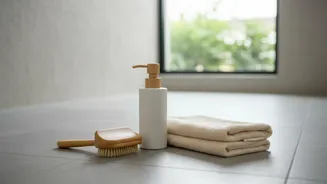
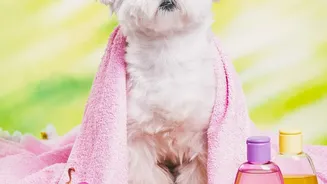
Prevention is the most effective strategy, and it centres on one non-negotiable habit: thoroughly drying your dog's paws after every single walk. This simple five-minute routine can prevent the vast majority of monsoon-related paw problems. Use a clean, absorbent microfibre towel and be meticulous. Gently separate each toe to dry the webbing in between, as this is where moisture lingers the longest. For dogs with thick or long fur, a towel alone may not be enough. Using a pet-safe hairdryer on a low or cool setting can ensure the undercoat and skin are completely dry. Never let your dog's paws air-dry in humid weather, as this is an open invitation for fungal growth.
Proactive Paw Care and Grooming
Beyond drying, a few grooming habits can make a significant difference. At the beginning of the monsoon season, trim the hair between your dog's paw pads. Shorter hair traps less mud, debris, and moisture, making the drying process easier and more effective. Keeping their nails trimmed is also important, as long nails can accumulate dirt and moisture underneath. Some pet parents opt for protective gear like waterproof dog booties for walks, which can offer a physical barrier against wet and dirty surfaces. If your dog won't tolerate booties, applying a thin layer of a vet-approved paw balm before walks can offer some protection.
Managing the Home Environment
Your dog's environment plays a role in preventing infections as well. Keep their bedding, blankets, and any mats they lie on clean and, most importantly, dry. Damp bedding can become a breeding ground for the same fungi that affect their paws. Wash their bedding frequently in hot water during the monsoon and ensure it is completely dry before use. Maintaining good ventilation in your home can also help reduce overall indoor humidity. When you come in from a walk, have a dedicated 'drying station' at the entrance with an absorbent mat and towels ready to go to prevent your dog from tracking water and mud through the house.
When to Consult a Veterinarian
While diligent home care can prevent many issues, it's crucial to know when to seek professional help. If you notice persistent symptoms like intense licking, raw or broken skin, significant swelling, a strong odour, or if your dog is limping, it's time to see a vet. A veterinarian can accurately diagnose the issue—confirming if it's a fungal infection, a bacterial one, or an allergic reaction—often by taking a simple skin sample for examination. They can prescribe medicated antifungal shampoos, wipes, or oral medications that are far more effective and safer than human antifungal creams, which can be toxic if licked. Do not attempt to treat a severe or persistent infection without veterinary guidance.