





The Festival Frenzy
Indian festivals are a time of joy, but the loud noises and bustling activity can be terrifying for pets. The sound of firecrackers during Diwali, for instance, can cause severe anxiety. To manage this, create a safe, quiet space for your pet indoors,
away from windows. Close the curtains to block out flashing lights and play soft, calming music or white noise to muffle the explosions. Distracting your pet with their favourite toys or a long-lasting chew can also help. Anxiety wraps or calming supplements can be effective, but always consult a veterinarian before introducing any new products or medications to your pet's routine.
The Travel Tangle
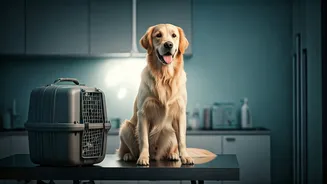
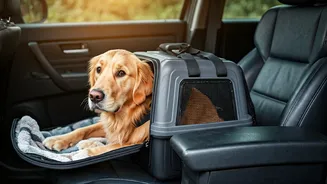
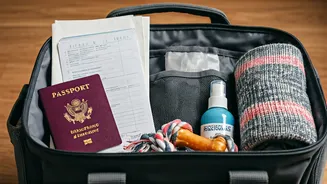
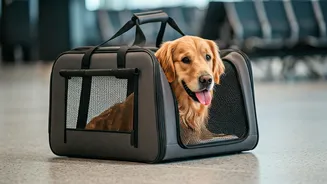
A sudden trip can be a logistical nightmare for pet parents. Whether taking your pet along or leaving them behind, planning is crucial. If you're travelling together, ensure you have all necessary documents, such as a fitness-to-travel certificate from a vet and up-to-date vaccination records. Airlines and trains in India have specific rules for pet transport, including crate size and breed restrictions, so check these well in advance. Acclimatising your pet to their travel crate beforehand can significantly reduce their stress on the journey. If you plan to leave your pet, the search for a reliable sitter or boarding facility shouldn't be a last-minute scramble. Many new parents who adopted pets during the pandemic are now facing this challenge as offices reopen.
The Search for a Sitter
Finding trustworthy care for your pet is a major pain point for many Indian owners. The pet care community is still largely unorganised, making it hard to find reliable professionals. Start building a network of trusted caregivers before you need one. Ask friends for recommendations or explore apps and services that connect pet parents with vetted sitters and home boarding facilities. When choosing a sitter, arrange a meet-and-greet to see how they interact with your pet. Check their reviews and ask for references. A good sitter will ask for detailed instructions on feeding, routines, and any medical needs, ensuring your pet receives consistent care while you're away.
Preparing for the Unexpected
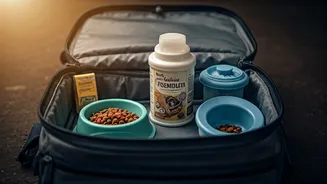
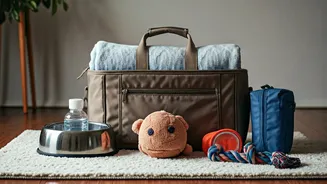
Emergencies, by their nature, are sudden. But being prepared can make all the difference in a crisis, whether it's a medical issue or a natural disaster. Assemble a pet emergency kit with essential supplies. This should include a 5-7 day supply of food and water, any necessary medications, copies of medical records, and a pet first-aid kit. Keep this kit in a waterproof container that's easy to grab. It’s also vital to have the contact information for your regular vet and the nearest 24-hour animal hospital readily available. Make sure your pet wears a collar with an ID tag and is microchipped with your current contact information; this is often the fastest way to be reunited if you get separated.