
The Rising Tide of Coral Bleaching
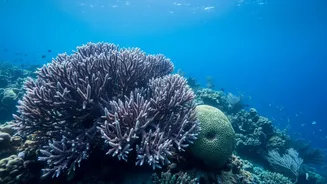
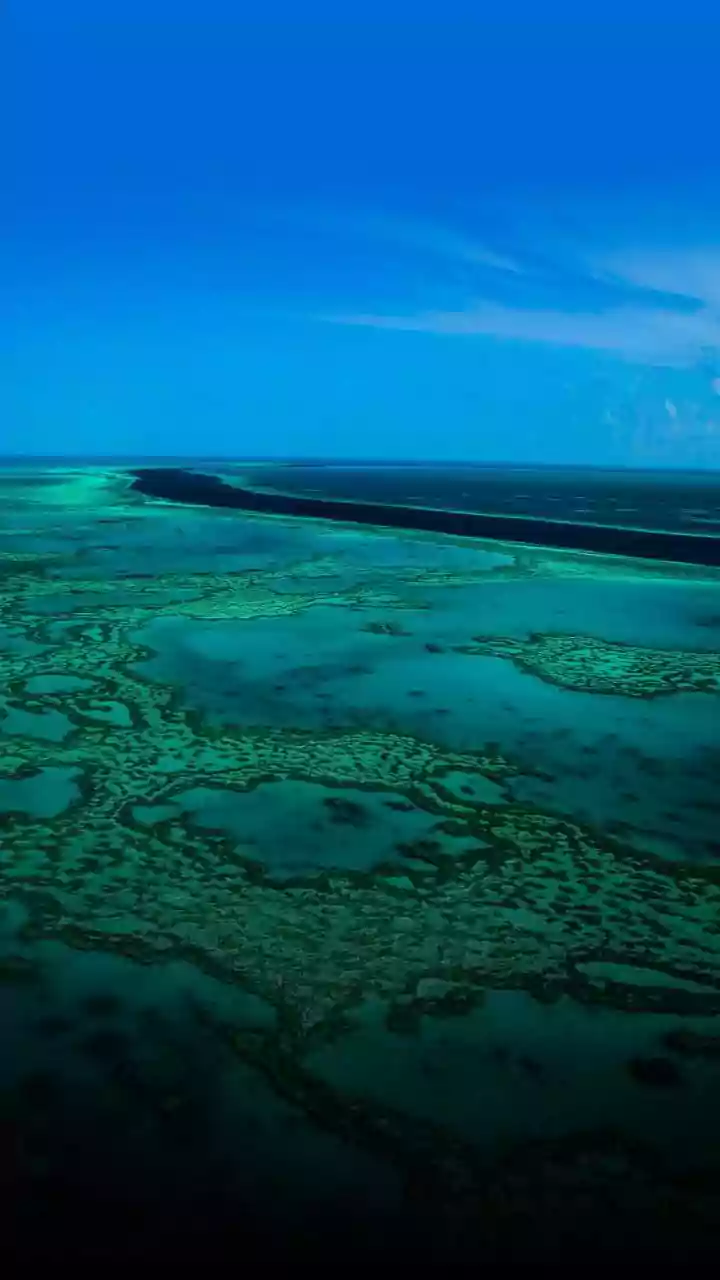
Coral reefs, the bustling underwater cities that support a quarter of all marine life, are in crisis. The primary culprit is climate change, which is causing marine heatwaves to become more frequent and severe. When water temperatures rise even slightly
above the usual summer maximum for a prolonged period, corals get stressed. They expel the vibrant, microscopic algae living in their tissues, which provide them with most of their food and all of their colour. This process is known as coral bleaching. While a coral can survive a bleaching event, it is left weakened, more susceptible to disease, and at risk of starvation. In recent years, events that were once rare have become alarmingly common, with iconic systems like the Great Barrier Reef experiencing multiple mass bleachings in the last decade alone.
Identifying Nature's Survivors
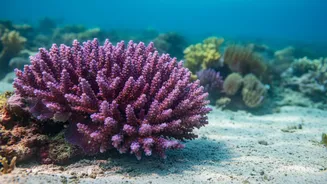
Amidst the devastation, scientists have observed a remarkable phenomenon: some corals survive, and even thrive, during heatwaves that kill their neighbours. These naturally resilient corals, often dubbed 'super corals', are the focus of intense research. They are found in environments that experience naturally extreme conditions, such as shallow lagoons or areas with high temperature fluctuations. Studies have shown that these corals have a genetically-based, superior tolerance to heat. This isn't just a temporary adaptation; their resilience is a heritable trait. The goal for scientists is to identify these tough individuals, which have already proven their ability to withstand the very conditions that threaten reefs globally.
From a Coral Nursery to the Reef
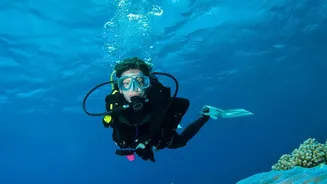
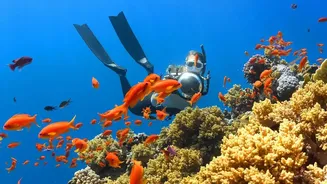
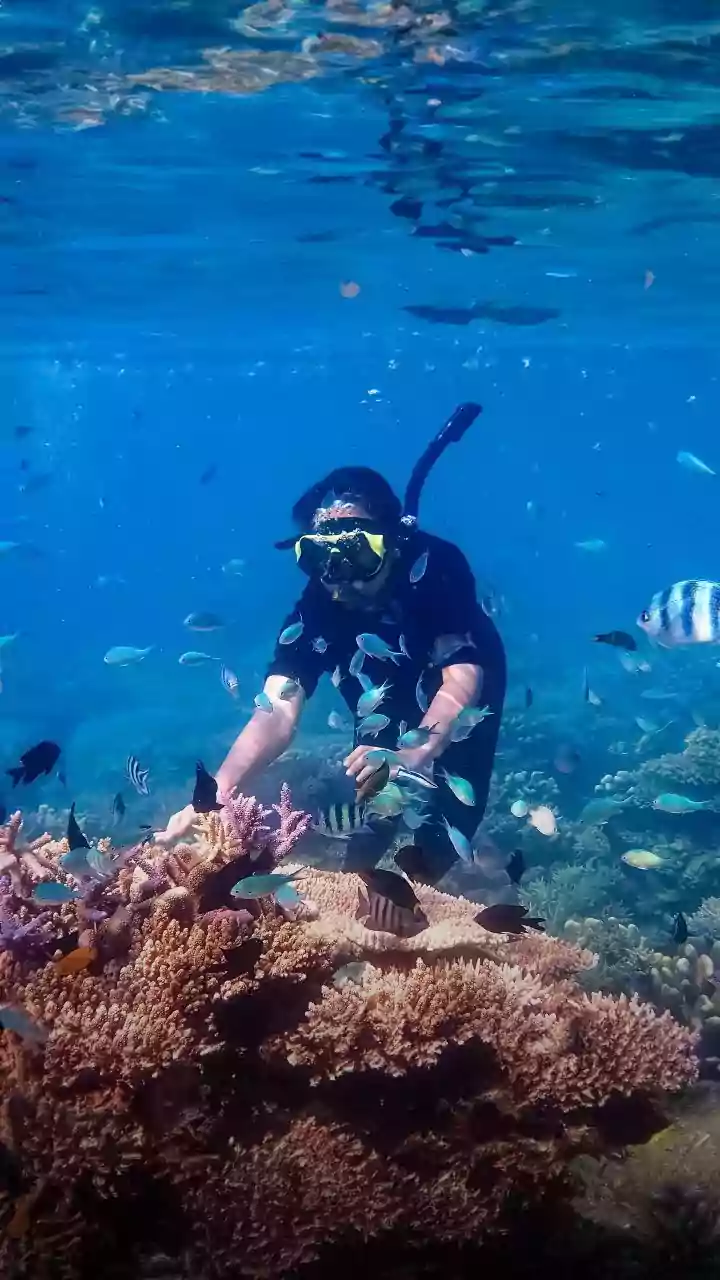
The process of transplanting these resilient corals is often called 'coral gardening'. First, scientists carefully collect small fragments—sometimes called 'nubbins'—from healthy, heat-tolerant donor colonies. These fragments are then taken to underwater or land-based nurseries. In these controlled environments, they are nurtured and grown. One technique, known as microfragmentation, involves cutting the coral into tiny pieces, which triggers a rapid growth response, allowing them to grow up to 50 times faster than they would naturally. Once the fragments have grown into stable colonies, they are 'outplanted'. Divers transport them to degraded reef areas and secure them to the seafloor, often using special marine-friendly cement or frames, giving the reef a fighting chance at recovery.
Early Signs of Hope
So, does it work? The results are promising, but complex. Several restoration projects have reported high survival rates for transplanted corals, some exceeding 90% in the initial months. In China, one project demonstrated a 94.58% survival rate after more than 240 days. Crucially, studies have shown that corals sourced from warmer regions retain their heat tolerance even when moved to cooler reefs, suggesting their resilience is hardwired. This means they could potentially pass on these survival traits to future generations, building the overall resistance of the reef ecosystem. Some research indicates that restored areas can achieve growth rates comparable to healthy reefs within just four years, bringing back not just coral cover but also the fish and other species that depend on them.
A Solution, Not a Silver Bullet
Despite these successes, scientists are quick to caution that coral transplantation is not a magic bullet. The biggest challenge is scale. Restoration projects are typically small, expensive, and labour-intensive, covering only a tiny fraction of the thousands of square kilometres of reefs lost globally. Moreover, many projects have a short monitoring period, so the long-term success rate remains uncertain. The most significant limitation is the root cause of the problem: climate change. Without aggressive global action to reduce carbon emissions and halt ocean warming, even the 'super corals' will eventually reach their thermal limit. As one recent study noted, repopulating a reef is ineffective if you don't address the threats that killed it in the first place.