





What Are Compression Cubes?
At first glance, compression cubes look like standard packing cubes: small, zippered fabric containers used to organise luggage. However, they have a key difference. A compression cube features a second, outer zipper. After you pack the cube, you close
this second zipper, which cinches the cube down, squeezing out excess air and reducing the overall volume of the contents. Think of it less like a magic space-creator and more like a tool to make soft, bulky items more compact. This is distinct from regular packing cubes, whose primary function is organisation, not size reduction.
How They Conquer Limited Space
The magic of a compression cube lies in its ability to tackle volume. Airlines are not only strict about the dimensions of your carry-on bag—typically around 22 x 14 x 9 inches—but the overhead bin space itself is a finite resource. Compression cubes work by expelling the air trapped between fabric fibres. This is especially effective for puffy, air-filled items like sweaters, fleece jackets, and even towels. By compressing these items, you can often reduce their volume by 25-30%, creating valuable real estate inside your suitcase. This allows you to either pack more essentials or simply make your bag easier to close and fit into the sizer at the gate. The process is simple: pack your items, close the main zipper, and then slowly close the second compression zipper to flatten the cube.
The Undeniable Benefits of Compressing
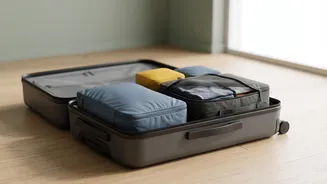
The primary benefit is, of course, saved space. For travellers sticking to a carry-on, this can be the difference between leaving an outfit behind and fitting everything in. Beyond that, they offer superior organisation. By separating clothes into categories—tops in one, bottoms in another, undergarments in a third—you can find what you need without rummaging through your entire suitcase. This system essentially turns your luggage into a portable set of drawers. They also keep rolled clothes tightly packed, preventing them from unravelling in transit. Many travellers designate one cube for dirty laundry, keeping soiled clothes separate from clean ones throughout their trip.
The Important Downsides to Consider
Compression cubes are not without their drawbacks. The biggest mistake travellers make is forgetting that cubes reduce volume, not weight. It's easy to get carried away and pack so much that your carry-on exceeds the airline’s weight limit, which is often around 7-10 kgs for international and budget carriers. Secondly, the compression process can cause significant wrinkles, especially in fabrics like linen or dress shirts. While rolling clothes can help mitigate this, these cubes are generally better suited for casual wear, knitwear, and outerwear than for formal business attire. Finally, a fully compressed cube becomes a dense, rigid block, which can sometimes be harder to fit into a suitcase than softer, more pliable items—it's like a game of Tetris with hard-edged pieces.
How to Pack Like a Pro
To maximise the benefits and minimise the downsides, a smart strategy is essential. First, roll your clothes where possible to reduce sharp creases. For items prone to wrinkling, consider folding them flat to fill the cube's dimensions. Don't overfill any single cube; you should be able to close the compression zipper without a major struggle. A mix-and-match approach often works best: use compression cubes for bulky items like sweaters and jeans, and regular packing cubes for delicate or business attire that needs to stay neat. Place heavier cubes at the bottom of your suitcase near the wheels to keep it stable. And always weigh your bag before you leave for the airport to avoid any costly surprises at check-in.