
Why Travel Before the Festive Peak?
The period between the end of the heavy monsoons and the start of the peak festive and winter season is known as the 'shoulder season'. This sweet spot, typically encompassing late August and September, offers a winning combination of benefits. Travellers
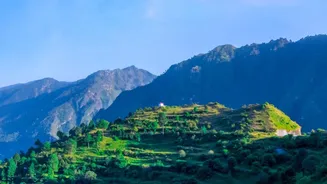
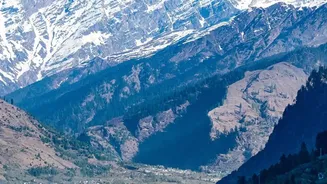
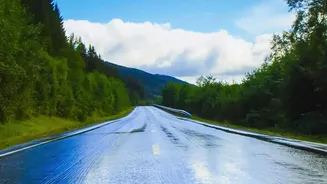
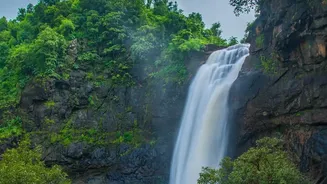
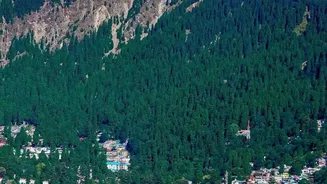
can expect significantly lower prices on flights and accommodation, sometimes 30-50% cheaper than in the peak months of December and January. Destinations are far less crowded, allowing for a more relaxed and authentic experience at popular attractions. Moreover, the post-monsoon landscape in many parts of India is at its most vibrant, with lush greenery, replenished lakes, and spectacular waterfalls.
Udaipur, Rajasthan: Royalty Without the Ransom
Often called the 'Venice of the East', Udaipur’s charm multiplies as the monsoon recedes. September is an ideal time to visit, with the Aravalli hills draped in green and the city’s famous lakes, Pichola and Fateh Sagar, full and shimmering. The weather becomes pleasant and comfortable, perfect for exploring the majestic City Palace, taking a serene boat ride, or wandering through its romantic streets without the peak season tourist hordes. Hotel prices during this shoulder month are noticeably lower than in the prime winter period, allowing you to enjoy the royal heritage and lakeside cafes at a fraction of the cost. This is your chance to experience the city's grandeur when it is tranquil and lush.
Kerala: Emerald Backwaters and Misty Hills
There is a reason Kerala is called 'God's Own Country', and it is never more apparent than after the rains. In August and September, the landscape is a brilliant, refreshing green. In Munnar, the tea plantations are freshly washed and incredibly scenic, while the misty hills offer a cool respite. Further south, the famous backwaters of Alleppey are brimming with life. An overnight stay on a traditional houseboat becomes a more serene and affordable experience during this time. You might also catch the vibrant celebrations of the Onam harvest festival, which often falls in August or September, offering a unique cultural immersion. You get the full Kerala experience with better deals and fewer fellow travellers.
Meghalaya: The Abode of Roaring Waterfalls
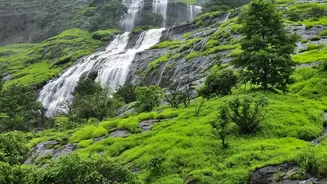
If you are a nature lover who doesn't mind a bit of lingering rain, post-monsoon Meghalaya is paradise. This is when the state's legendary waterfalls, such as Nohkalikai and the Seven Sisters Falls, are at their most powerful and spectacular. The entire state is transformed into a misty, emerald wonderland, making it a photographer's dream. Trekking to the famous living root bridges near Cherrapunji is a magical experience amidst the damp, vibrant forests. Since this is not the peak tourist season, you can explore places like Shillong and the Laitlum Canyons with a sense of peace and discovery that is lost in the crowded winter months.
Hampi, Karnataka: Ancient Ruins in a Green Canvas
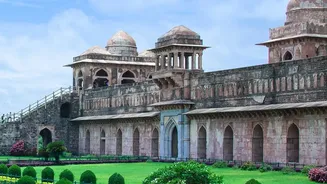
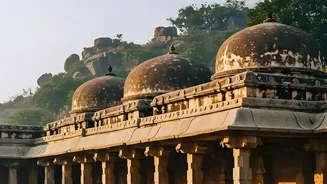
Known for its surreal, boulder-strewn landscape and magnificent ruins, Hampi is a UNESCO World Heritage site that is a backpacker's delight. Visiting in September means you will see this ancient empire in a unique light. The post-monsoon season carpets the dramatic terrain in shades of green, with the Tungabhadra River flowing fully and the rice paddies looking vibrant. The weather is cooler and more forgiving than the scorching heat of summer or the crowded cool of winter. Hampi is already one of India's most budget-friendly destinations, but travelling in the shoulder season ensures even better deals on guesthouses and a more peaceful exploration of its countless temples and monuments.