

The Power of Visual Contrast
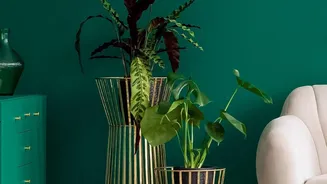
In design, contrast is what creates visual interest and stops a scene from feeling flat or monotonous. When it comes to houseplants, this means deliberately choosing plants that look different from one another to highlight their unique qualities. An arrangement
that features a variety of shapes, sizes, and textures feels intentional and dynamic. Instead of placing plants randomly, thinking about how their forms and foliage play off each other can elevate your space from simply having plants to being thoughtfully styled with greenery. The goal is to create a balanced look that is engaging without becoming chaotic.
Mastering the Mix of Leaf Shapes
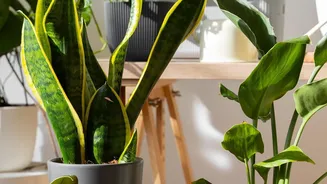
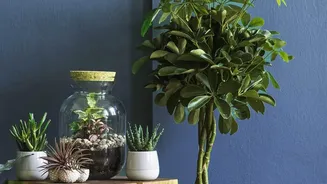
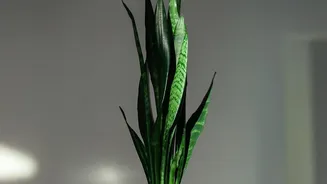
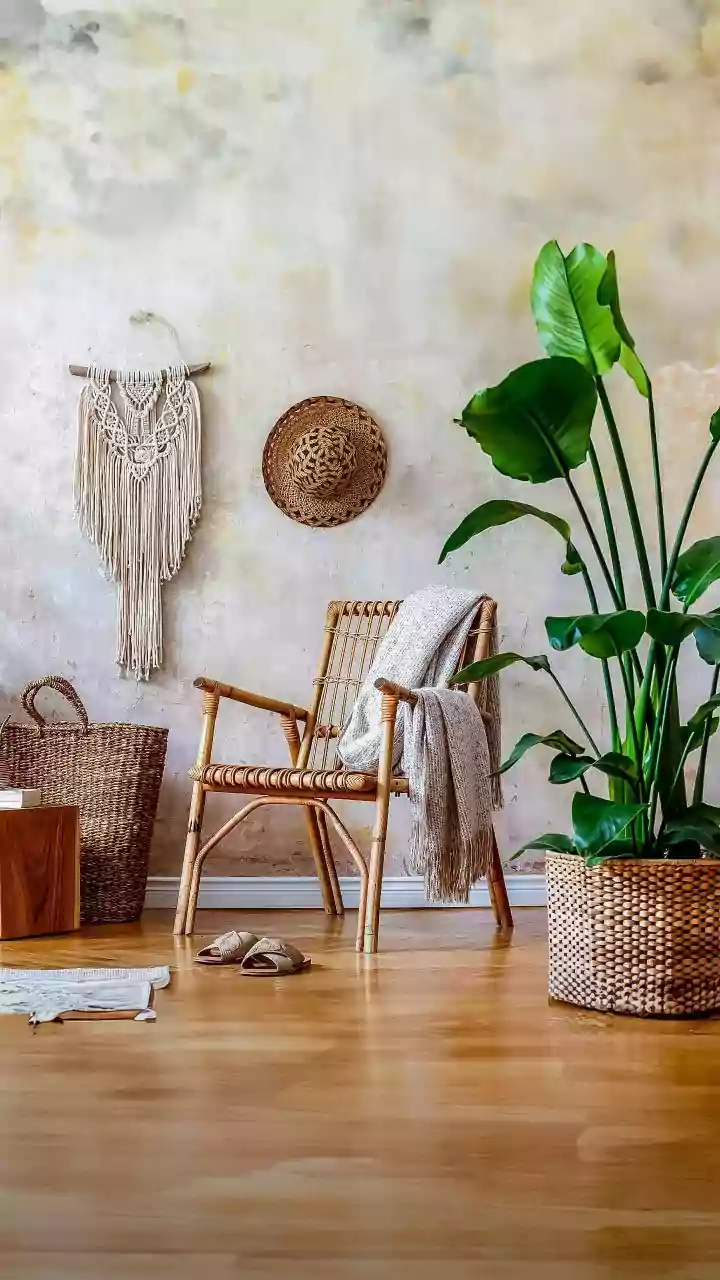
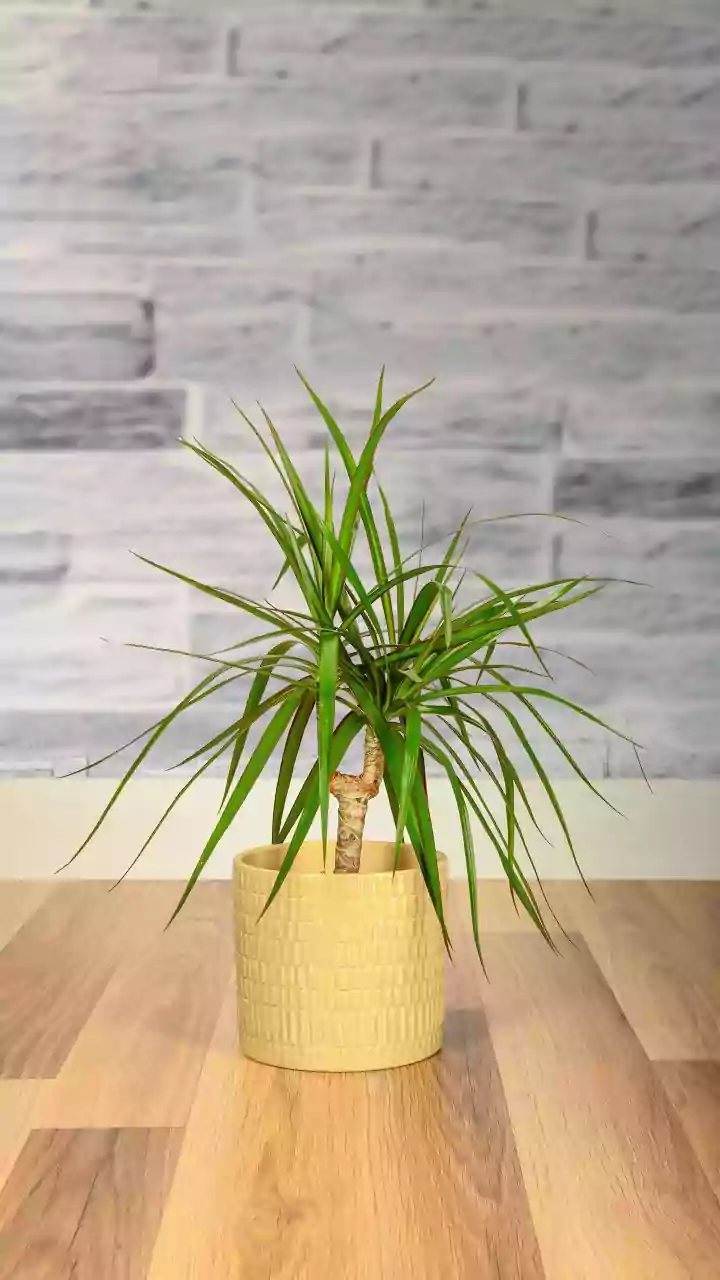
One of the most effective ways to create contrast is by mixing different leaf shapes and textures. Pair a plant with large, broad leaves like a Fiddle Leaf Fig or Monstera Deliciosa with one that has fine, feathery foliage, such as a Boston Fern. The difference between the bold, structural leaves and the delicate, soft fronds makes each plant stand out. You can also contrast glossy, smooth leaves with those that are matte or fuzzy. For example, placing a waxy Hoya next to a Sansevieria, known for its stiff, upright, and spear-like leaves, creates a compelling textural pairing that is pleasing to the eye.
Playing with Different Plant Heights
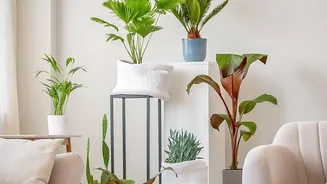
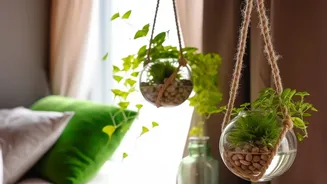
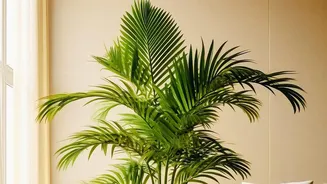
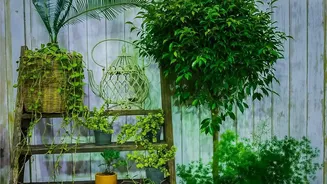
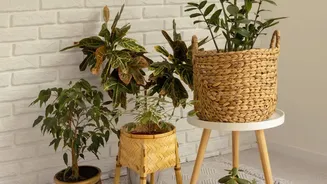
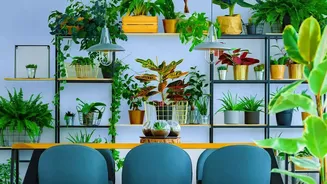
Varying the height of your plants is crucial for creating depth and drawing the eye around the room. A common technique used by designers is the 'thriller, filler, and spiller' concept, adapted from outdoor container gardening. Your 'thriller' is a tall, eye-catching plant, like a large palm or a snake plant, that provides a vertical element and often serves as a focal point. 'Fillers' are medium-sized, bushy plants that add fullness, while 'spillers' are trailing plants, like a Pothos or String of Hearts, that cascade down from shelves or hanging planters. Using plant stands, shelves, and even books can help you place plants at different levels, creating a more natural and layered effect.
Creating Cohesive Plant Groupings
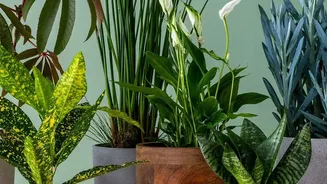
Grouping plants together is a great way to make a big impact, even in a small space. A classic design tip is to arrange items in odd numbers, so try clustering your plants in groups of three or five for a look that feels balanced and natural. When creating a 'plant corner', place the tallest plants in the back and the shorter ones in the front to ensure each one is visible. While mixing plant types is key, you can create a sense of unity by using pots of a similar style or colour palette. This helps the arrangement feel cohesive rather than cluttered, tying the whole look together.
Beyond the Basics: Adding Color
Once you have a handle on shape and height, you can introduce another layer of contrast with color. Foliage isn't just green; it comes in a wide spectrum of shades, including silver, purple, pink, and yellow. Variegated plants, with their splashes of white, cream, or yellow, are perfect for breaking up a sea of solid green. Placing a plant with dark burgundy leaves next to one with lime green foliage can create a dramatic effect. Don't be afraid to experiment with these different elements. The key is to have fun and find combinations that you find beautiful.