




The Foundation: Your Bag Matters
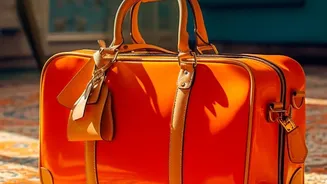
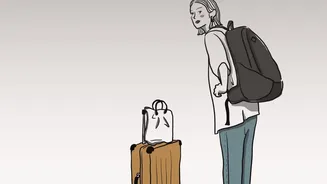
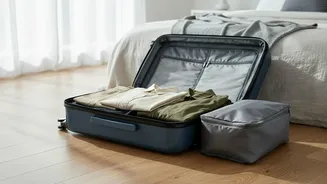
The first step to packing light is choosing the right bag. A heavy, hard-shell suitcase can eat up two kilograms of your precious limit before you've even packed a single sock. Opt for a lightweight, soft-shell backpack or duffel bag that weighs under
1.5kg when empty. This choice alone can grant you an extra kilo for essentials. Ensure the bag’s dimensions comply with your airline's cabin size limits, which are often around 55x40x20 cm. A lightweight bag is the cornerstone of a successful 7kg strategy, forcing you to be disciplined while maximising your available weight.
The Non-Negotiable: Your Outer Shell
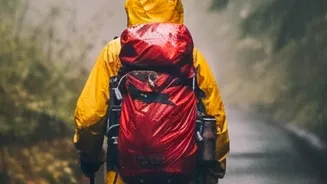
For a rainy destination, your single most important piece of clothing is a high-quality, lightweight, and packable waterproof jacket. Look for materials described as 'waterproof/breathable' like Gore-Tex or other proprietary laminates, which keep rain out while letting sweat escape. Many modern travel rain jackets are not only waterproof and windproof but also designed to pack down into their own pocket, taking up minimal space and weight. This will be your primary shield against the elements. You should wear this jacket, along with your bulkiest shoes, onto the plane to save a significant amount of weight and space in your bag.
Mastering the Art of Layering
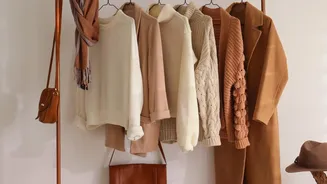
Instead of packing bulky sweaters, think in layers. The secret to staying warm and dry is trapping air between thin, efficient layers that you can add or remove as conditions change. Start with a base layer made from merino wool or a synthetic fabric like polyester. These materials wick moisture away from your skin, are lightweight, and resist odour, meaning you can wear them more than once. For a mid-layer, consider a thin fleece or a packable down vest, which provide excellent warmth for their weight. Avoid cotton, as it absorbs moisture, gets heavy, and will make you feel cold when wet.
A Strategic Wardrobe Capsule
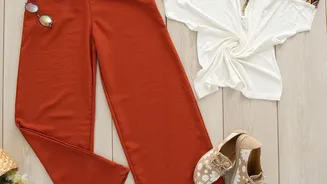
To stay within the weight limit for a seven-day trip, you don't need seven distinct outfits. Instead, build a versatile capsule wardrobe. A good rule of thumb is to pack three tops for every one bottom. For a week, this could mean two pairs of trousers and five or six tops. Stick to a neutral colour palette where every item matches every other item, allowing you to create multiple combinations. Fabrics like merino wool and modern synthetics are ideal because they are wrinkle-resistant and can be worn multiple times before needing a wash. A sample list could include: four T-shirts, two long-sleeve base layers, one pair of quick-dry travel trousers, and one pair of comfortable pants or fleece-lined leggings.
Footwear: The Heaviest Item
Shoes are often the heaviest and bulkiest items in a suitcase. The strategy here is simple: limit yourself to two pairs. Your first pair, which you will wear on the plane, should be your heaviest and most practical—ideally, a comfortable, waterproof walking shoe or boot. Your second pair should be lightweight and serve a different purpose, such as a pair of flats or sandals for evenings or indoor use. This disciplined approach prevents shoes from consuming your weight allowance.
Downsizing Toiletries and Tech
Liquids are heavy. Radically minimise them by shifting to solid toiletries. Solid shampoo, conditioner, and soap bars are TSA-friendly and save both weight and space. For any liquids you must bring, use travel-sized (100ml or less) reusable bottles. Consider what you can purchase at your destination, like sunscreen or toothpaste, to save even more weight. For electronics, bring only the essentials: your phone, a charger, a small power bank, and earbuds. Your phone can double as your camera, e-reader, and entertainment device, eliminating the need for extra gadgets.