


The Old Way vs. The New Way
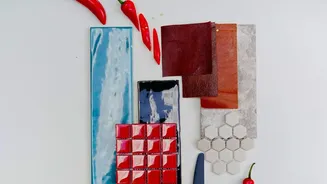
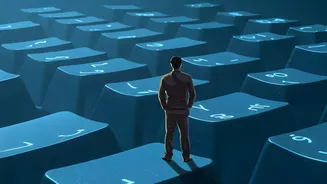
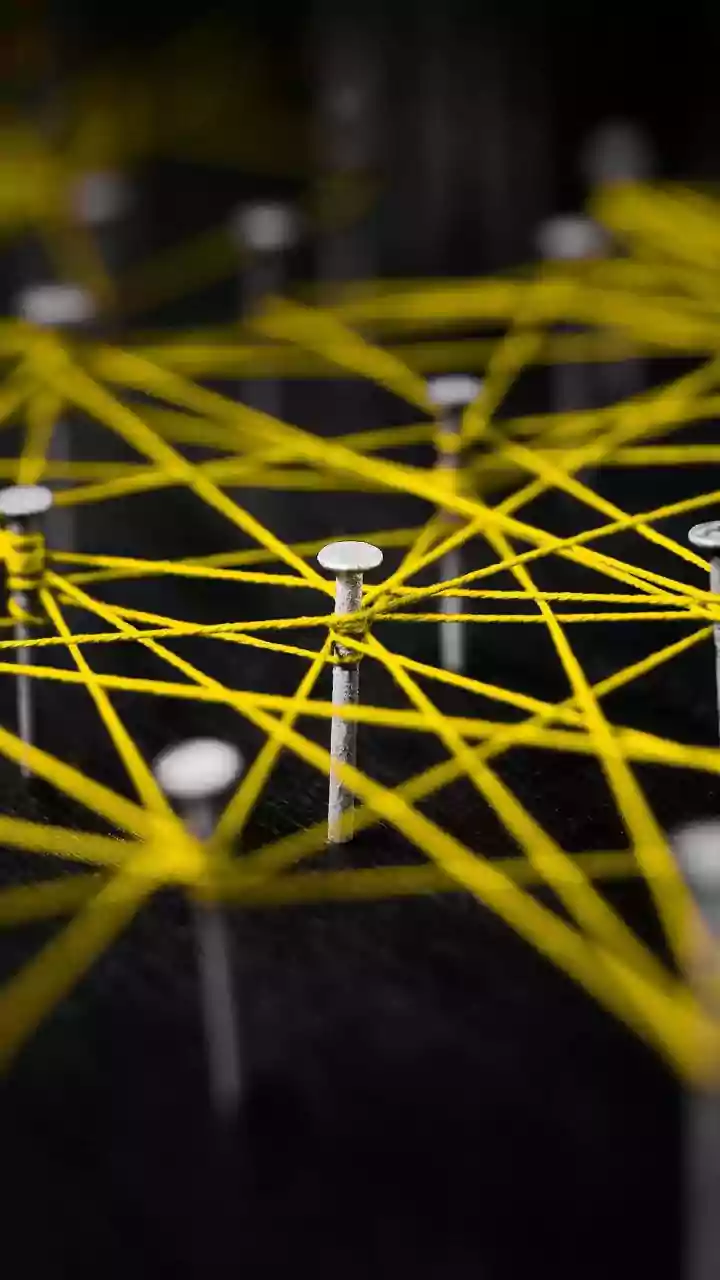
Traditionally, creating a mood board meant hours spent manually searching through platforms like Pinterest, stock photo libraries, and design blogs. It involved gathering images, textures, colour palettes, and typography, then painstakingly arranging
them to form a cohesive visual direction. While inspiring, this process could often take days before the actual design work even began. Now, AI-powered tools are transforming this workflow. By simply typing a text prompt—like “a mood board for a luxury skincare brand with minimalist aesthetics and earthy tones”—a generative AI can produce a curated collection of relevant visuals in seconds. This doesn't just speed things up; it fundamentally changes the starting point from a blank canvas to a well-developed visual concept ready for refinement.
More Than Just Speed
The most immediate benefit is a massive gain in efficiency. Tasks that once took hours can now be accomplished in the time it takes to drink a cup of tea. This allows freelance designers to take on more projects, meet tight deadlines, and dedicate more time to the strategic, high-value parts of their job like concept development, client communication, and final execution. However, the advantages extend beyond mere automation. These tools can act as a powerful antidote to creative block, suggesting unconventional visual combinations and sparking new ideas that a designer might not have considered on their own. They can generate multiple visual directions almost instantly, allowing for rapid exploration and iteration at the very beginning of a project, which is invaluable when presenting initial ideas to clients.
Popular AI Tools to Explore
Several platforms are leading the charge in AI-assisted mood boarding. Adobe Firefly, integrated within the Adobe Creative Suite, allows designers to generate images and apply styles directly within their existing workflows. Tools like Canva's Magic Design offer user-friendly interfaces where text prompts can generate entire design concepts and templates. Other dedicated platforms such as Miro and Recraft AI are also gaining traction. Miro's AI features help turn rough ideas into polished visuals, while Recraft AI focuses on generating vector art, icons, and illustrations in a consistent brand style. These tools are increasingly seen not as standalone gadgets but as co-pilots integrated into the modern design process.
The Irreplaceable Human Element
The rise of AI in design has understandably sparked conversations about job replacement. However, the consensus is that these tools are collaborators, not competitors. AI is excellent at generating options, but it lacks the strategic thinking, cultural nuance, and emotional intelligence of a human designer. An AI can create a visually coherent board, but it can't understand a brand's deep-seated values or a campaign's specific market context without precise human guidance. The designer's role is shifting from pure creation to that of a creative director or curator. Their expertise is now applied to writing effective prompts, selecting the best AI-generated options, and refining those outputs into a final product that is not just aesthetically pleasing but also strategically sound and emotionally resonant.