






The Royal Arrival in Delhi
The heart of New Delhi recently played host to a unique guest of honour: the Tripura Queen Pineapple. The Tripura Global Pineapple Festival, a three-day international exhibition held at the Major Dhyan Chand National Stadium from June 27th to 29th, was
designed to do more than just celebrate a fruit. Inaugurated by Tripura Chief Minister Manik Saha, the event brought together farmers, policymakers, buyers, and international delegates. Timed to coincide with International Pineapple Day, the festival’s goal was clear: to officially launch this regional treasure onto the national and global stage, showcasing it as a premium product and a symbol of Tripura's agricultural ambition.
What Makes the Queen So Special?
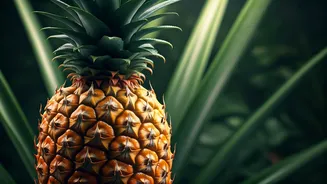
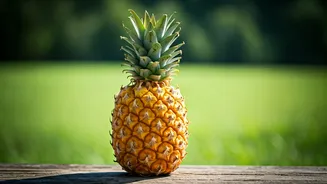
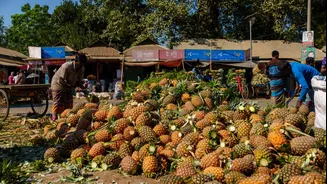
So, what is all the fuss about? The Tripura Queen Pineapple is not your average variety. It was declared the state fruit of Tripura in 2018, a few years after earning the coveted Geographical Indication (GI) tag in 2015. This tag certifies its unique qualities are tied directly to its origin. The Queen is celebrated for its exceptional sweetness, distinctive aroma, and a golden-yellow hue that speaks to its flavour. Unlike other varieties, it has very low fibre, making for a smooth, juicy texture. It is typically smaller and more compact, but its robust flavour profile has earned it a reputation as one of the best pineapples in the world, cultivated with minimal to zero chemical fertilisers in Tripura's hilly terrain.
The Heart of Tripura's Economy
For the farmers of Tripura, the Queen Pineapple is more than a crop; it's a lifeline. Pineapple cultivation is a vital source of livelihood for thousands, with around 70-75% of growers belonging to the state’s tribal communities. There is a local saying that captures this reliance: “The pineapple would never betray them,” suggesting that even when other crops fail, the pineapple provides a steady income. However, despite the fruit's premium quality, farmers have historically received very low prices, often between ₹6 and ₹10 per kilogram. This happens while the same fruit, when processed or exported, can fetch upwards of ₹80 to ₹150 per kilogram in domestic and international markets, creating a massive value gap that needed to be addressed.
A Mission to Bridge the Gap
The Delhi festival is the public face of a much larger strategic plan. In May 2026, the government launched 'Mission Queen Pineapple', a ₹236 crore, three-year initiative designed to overhaul the entire value chain. The ambitious goal is to elevate the state's pineapple economy from its current ₹35 crore to nearly ₹200 crore by 2028. The mission aims to tackle the problem from the ground up by building an integrated post-harvest ecosystem. This includes establishing a network of collection centres, modern pack-houses, ripening chambers, and cold storage facilities to reduce post-harvest losses and ensure a steady supply of high-quality fruit for markets.
More Than Just a Fruit
The vision for the Queen Pineapple extends far beyond just selling the fresh fruit. A key part of the mission is value addition—turning what was once considered waste into wealth. Plans are underway to set up two bromelain extraction centres in the state. Bromelain is an enzyme with applications in the pharmaceutical and food processing industries. Furthermore, the leaves of the pineapple plant, typically discarded, are being eyed for their fibre, which can be used to make textiles and eco-friendly packaging. This circular economy approach aims to maximize the value derived from every single plant, creating new revenue streams and employment opportunities for the people of Tripura.
A Slice of a Bigger National Story
The journey of the Queen Pineapple from the hills of Tripura to the international market is a perfect example of national initiatives like 'Atmanirbhar Bharat' (Self-Reliant India) and 'Vocal for Local' in action. It also aligns with the 'One District One Product' (ODOP) scheme, which aims to promote unique indigenous products from every district in the country. By providing a platform and a strategic push, the government is helping a remote state leverage its unique agricultural heritage to achieve economic growth and integrate more deeply into the national and global economy, embodying the spirit of the 'Act East Policy' to develop India's northeastern region.