







An Urban Spectacle
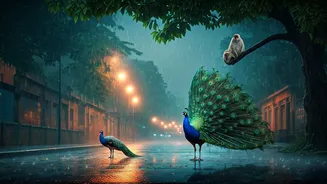
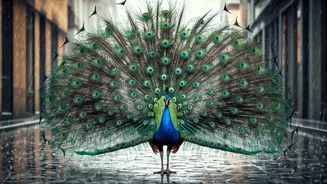
From Mumbai's busy Pedder Road to residential colonies in Delhi and university campuses in Bengaluru, peacocks are becoming an unexpectedly common sight. In late June, videos went viral showing peacocks calmly strolling through South Mumbai, seemingly
unfazed by the urban hustle, their presence delighting residents who stopped to capture the rare spectacle. This isn't an isolated incident. Across India's metropolises, these magnificent birds are turning up on rooftops, in parks, and on ledges, adding a wild, colourful layer to the concrete landscape. While many welcome the sight as a beautiful positive of changing times, it signals a deeper story about our environment.
The Monsoon's Call
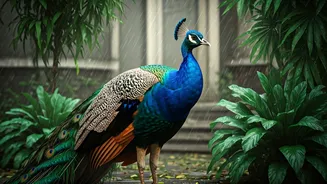
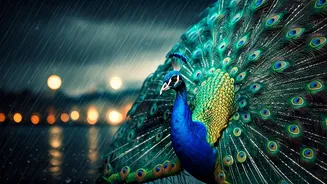
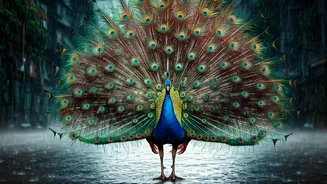
There's a deep-rooted cultural and biological reason these sightings surge with the rains. The monsoon season is the peacock's breeding season. The iconic dance, where the male fans his elaborate tail feathers into a shimmering arc, is a courtship display to attract a peahen. This primal urge coincides with the arrival of the rains, a time of renewal and abundance. The downpour ensures a plentiful supply of insects, worms, and fresh vegetation for the chicks that will hatch, making it the perfect time for the birds to mate. So, when you hear that distinctive, cat-like call echoing between buildings as thunder rumbles, it’s often a prelude to this spectacular natural ritual.
A Story of Shrinking Forests
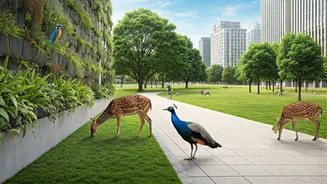
While beautiful, the peacock's urban march is a complex tale. On one hand, their population has seen a significant increase in recent decades, a conservation success story thanks to legal protection under the Wildlife Protection Act of 1972. However, this success is running parallel to rapid urban expansion that is encroaching on their natural habitats. As forests and scrublands on city peripheries shrink, peacocks are pushed into urban areas in search of food and shelter. They are highly adaptable birds, and have learned to navigate city life, finding sustenance in parks, kitchen gardens, and even from human admirers.
An Uneasy Coexistence
The growing proximity is not without its challenges, creating a new frontier of human-wildlife conflict. For many city dwellers, the birds are a joy, a welcome connection to nature. But for others, particularly farmers on the urban fringe, they can be a menace, damaging crops like cereals and vegetables. Their loud, piercing calls, especially during mating season, can be a nuisance. Furthermore, life in the city is perilous for these birds. They face threats from stray dogs, speeding traffic, and even illegal poaching for meat and feathers. Wildlife rescue organisations frequently respond to calls for injured peacocks, a grim reminder of the dangers they face in their new concrete habitats.
A Feathered Barometer
Ultimately, the sight of a peacock against a city skyline is more than just a novelty; it's a barometer of our changing environment. Their increased presence reflects both our success in protecting our national bird and our failure in preserving its natural home. They are bio-indicators, their movement into drier regions like parts of Kerala has even been linked to climate change. As they become our neighbours, these birds force us to confront the reality of our expanding cities and consider how we can create spaces where both humans and wildlife can coexist peacefully. Their dance in the monsoon is a celebration of life, but it is also a call to action.