





The Science of Living Light
Bioluminescence is nature’s light show. It's the same process that allows fireflies to flicker on a summer night or certain fungi to cast an eerie glow on the forest floor. The magic ingredient is an enzyme, often called luciferase. When luciferase interacts
with a molecule called luciferin, it produces light as a byproduct. For decades, scientists have dreamt of harnessing this natural process. The goal has been to transfer the genetic instructions for producing this light from organisms like fireflies or mushrooms into common plants, effectively turning them into self-powered, living lamps.
A Breakthrough in Brightness
Early attempts at creating glowing plants were met with limited success. The light was often faint and short-lived, far from bright enough to read by, let alone illuminate a street. However, recent work has changed the game. Scientists have moved beyond simply inserting firefly genes. A newer, more successful approach uses genes from bioluminescent mushrooms. This method works better because the fungal bioluminescence pathway is surprisingly compatible with the natural metabolic processes in plants. This has allowed researchers to create plants that glow continuously and much more brightly than previous attempts. Companies like Light Bio in the US have already started selling genetically engineered petunias that emit a soft glow, making the technology commercially available for the first time in 2024.
The Promise for Urban Landscapes
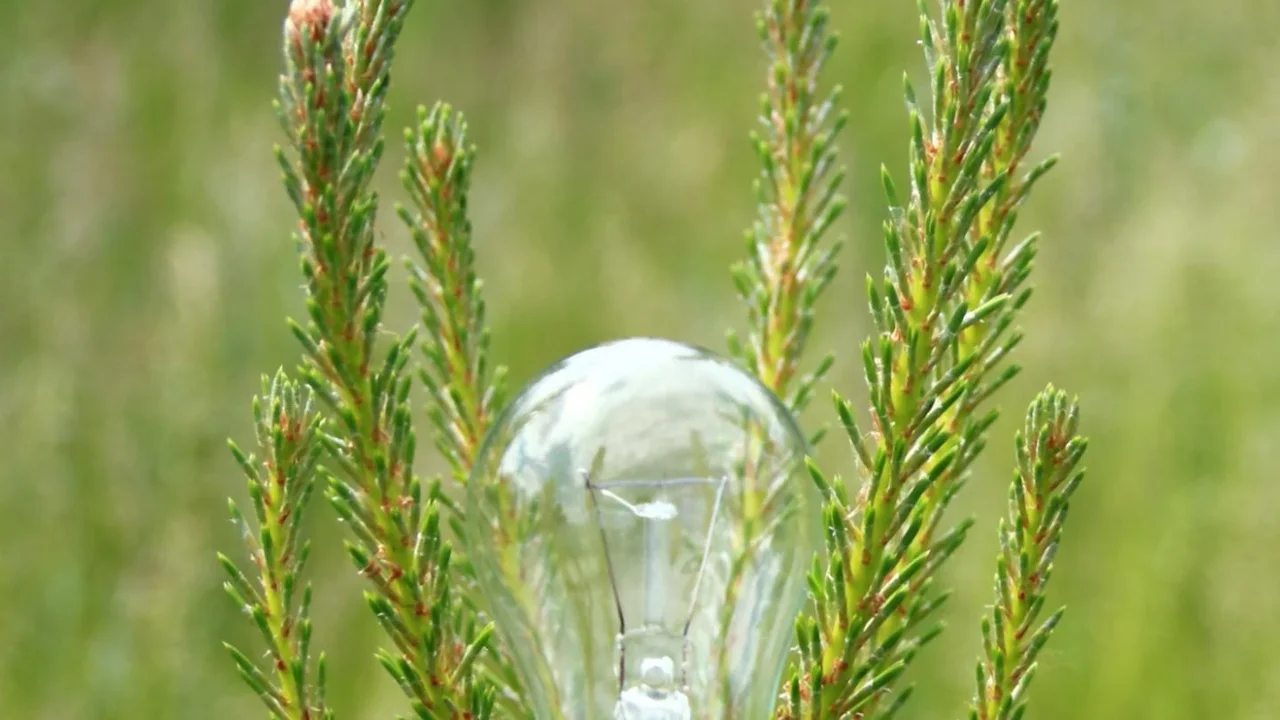
The potential benefits for cities are enormous. Lighting accounts for a significant portion of global energy consumption, with streetlights being a major contributor. Replacing them with bioluminescent trees and plants could drastically reduce electricity usage and the associated carbon emissions. Proponents envision public parks and pathways lit by a gentle, natural glow, reducing both energy costs and light pollution. Recent reports from China detail efforts to engineer over 20 different species, including sunflowers and orchids, to glow in the dark. The idea is to create a future where cities are not just smart, but also living and breathing ecosystems that purify the air while lighting our way.
From Lab to Lamppost: The Hurdles Ahead
Despite the excitement, a city full of glowing trees is not just around the corner. The biggest challenge remains brightness. While the newest GM plants are a huge improvement, their light is still more ambient than functional, similar to moonlight rather than a 100-watt bulb. Scaling the technology up from a petunia in a pot to a full-grown tree that can replace a streetlight is a massive undertaking. There are also regulatory and public perception hurdles to overcome, particularly regarding the widespread release of genetically modified organisms into the environment. Questions about the impact on surrounding ecosystems, animals, and insects will need to be carefully studied and addressed before this technology can be widely adopted for municipal use.