






The Mango Peeling Problem
We’ve all been there. You bring home a perfectly ripe, fragrant mango, only to face the daunting task of peeling it. Standard vegetable peelers struggle with the fruit’s curved shape and delicate skin. Using a paring knife can be a slippery, hazardous
affair that often results in losing a good amount of precious flesh along with the peel. The result is often a mangled mess, sticky hands, and a sense of defeat. It’s the one downside to enjoying this tropical delicacy, a culinary puzzle that has sent many a home cook searching for a better way.
Enter the Glass Trick
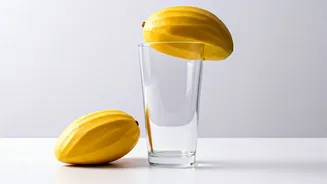
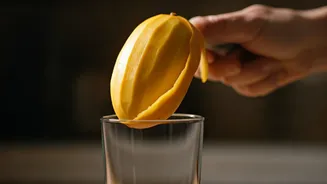
This is where a simple drinking glass transforms from a beverage holder into a genius culinary tool. The glass peeling trick has become a viral sensation for good reason: it’s surprisingly effective, incredibly simple, and leaves you with a perfectly scooped mango half, ready to be sliced, diced, or devoured on the spot. The logic is simple. The firm rim of the glass acts as a curved blade, neatly separating the soft flesh from the inside of the skin as you slide it down. It minimizes waste and, most importantly, mess. Once you try it, you may never go back to your old methods.
What You Will Need
The beauty of this technique lies in its simplicity. You don't need any special gadgets, just three basic kitchen items: 1. **A Ripe Mango:** The trick works best on a mango that is ripe and fragrant but still has a bit of firmness. Overly soft or stringy mangoes can be more difficult to work with. 2. **A Sharp Knife:** You'll need a sturdy knife to slice the mango in half around its large, flat pit. 3. **A Sturdy Drinking Glass:** The star of the show. Choose a glass with a relatively thin but strong rim. A pint glass, a sturdy water tumbler, or a mason jar all work well. Avoid glasses with very thick, rounded lips or delicate, fragile rims that could chip.
Step 1: The Initial Cut
First, you need to prepare the mango. The pit inside a mango is large, flat, and oblong. Stand the mango on its end on a cutting board, with the narrow side facing you. Imagine the flat pit running down the centre. Using your sharp knife, slice downwards through the mango, about a quarter-inch away from the centre line to miss the pit. Repeat on the other side. You should now have two large mango “cheeks” and a middle section containing the pit. You can set the middle section aside to nibble on later.
Step 2: The Glass-Powered Peel
Take one of the mango cheeks and hold it in one hand. In your other hand, hold your sturdy glass firmly on a countertop. Position the mango half so the top edge of the flesh meets the rim of the glass, with the skin on the outside of the glass and the flesh on the inside. Now, apply gentle but firm pressure and slide the mango downwards. The rim of the glass will catch the skin and neatly scoop the flesh out, which will fall directly into the glass. The skin will be left behind in your hand, perfectly clean. Repeat with the other half.
Tips for Perfect Results
While the trick is straightforward, a few tips can help you master it. If the mango is very ripe and soft, be gentle to avoid mashing it. If it's slightly underripe and firm, you may need to apply a bit more pressure. The trick works best on common varieties like Kent, Keitt, or Tommy Atkins, which have less fibrous flesh. For more fibrous varieties like the Ataulfo, this method is still effective but may leave a few strings behind. The key is finding that sweet spot of ripeness—firm enough to hold its shape, but soft enough to be sweet and juicy. Don't be discouraged if your first attempt isn't flawless; practice makes perfect.