


The Trend on Your Feed
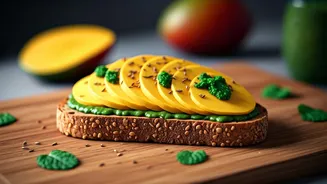
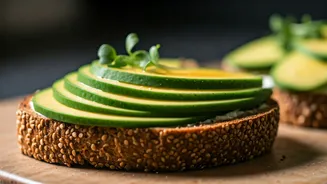
If your social media algorithm has any interest in food, you’ve likely seen it. A short, snappy Reel featuring a slice of rustic, hole-pocked sourdough bread, toasted to golden perfection. On top, not avocado or mushrooms, but a vibrant mound of grated
raw mango, glistening with spices. A final flourish of chili flakes, a sprinkle of fresh coriander, and maybe a drizzle of honey. This is the Raw Mango Sourdough Toast, and it has become the undeniable star of the Indian food internet this summer. From professional chefs in slick studio kitchens to home cooks sharing their daily experiments, everyone seems to be putting kairi on toast. The videos are a sensory delight—the crunch of the toast, the vibrant colours, and the promise of a flavour explosion have made it perfect, scroll-stopping content.
A Match Made in Summer Heaven
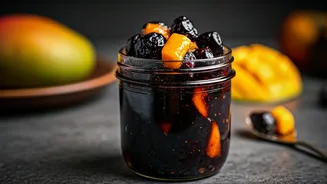
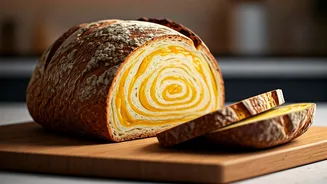
So, why this and why now? The trend’s success lies in a perfect storm of culinary currents. First, you have sourdough bread, which has firmly established itself over the past few years as a symbol of artisanal, mindful eating. It’s the sophisticated, slightly healthier cousin of regular sandwich bread. Then you have the raw mango, or 'kairi'. For millions of Indians, the arrival of kairi is the official start of summer. Its sharp, mouth-puckering tang is the flavour of nostalgia—of childhoods spent eating it with salt and chili powder, and of grandmothers making jars of 'aam ka achaar'. The Raw Mango Toast marries these two worlds: a global baking trend meeting a deeply local, seasonal ingredient. It’s the culinary equivalent of a modern-day arranged marriage that, against all odds, just works beautifully.
Deconstructing the Flavour Profile
What does it actually taste like? Imagine the best parts of a savoury summer salad, but on a crunchy, chewy vehicle. The primary flavour is the electric tartness of the raw mango, which is balanced by whatever it’s mixed with. Most recipes call for a simple dressing of salt, red chili powder, and sometimes a pinch of roasted cumin or black pepper. This creates a profile similar to a quick pickle or a chaat. The sourdough provides a sturdy, slightly sour base that complements the mango's acidity. Its open crumb and crunchy crust offer a fantastic textural contrast to the soft, grated fruit. Many creators are also adding a creamy element to bridge the flavours—a smear of cream cheese, hung curd, or even goat cheese—which mellows the tang and adds a luxurious richness to each bite. The result is a complex, layered experience: tangy, spicy, salty, savoury, and deeply satisfying.
How to Make It at Home
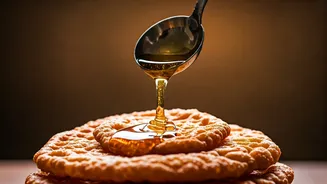
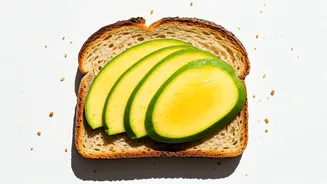
The beauty of this trend is its accessibility. You don’t need a culinary degree to replicate it. All you need are a few key ingredients. First, get the best sourdough you can find; a good, crusty loaf makes all the difference. Toast a thick slice until it's golden and firm. For the topping, peel and grate one small raw mango. In a bowl, toss the grated mango with salt to taste, a quarter teaspoon of red chili powder (or more, if you like it hot), and a pinch of roasted cumin powder. Some people add finely chopped onions or mint for extra freshness. Let it sit for a minute for the flavours to meld. Optionally, spread a thin layer of hung curd or cream cheese on your warm toast. Pile the mango mixture generously on top. Finish with a final sprinkle of chili flakes, some fresh coriander leaves, and if you want to balance the tartness, a tiny drizzle of honey or jaggery syrup. That's it. You’ve just recreated a viral food trend in under ten minutes.
More Than Just a Fad?
In a world of fleeting food fads—from Dalgona coffee to feta pasta—it’s easy to dismiss Raw Mango Toast as just another passing craze. But it might represent something more significant. This trend speaks to a growing confidence in the Indian culinary identity. For years, 'fusion' food often meant adding a pinch of 'garam masala' to a Western dish. Now, we're seeing a more balanced and creative exchange. We are taking global formats like sourdough toast and using them as a canvas for hyper-local, beloved ingredients. It shows an evolution in our palate, one that is unafraid to mix, match, and innovate while staying rooted in the flavours we grew up with. It's a celebration of seasonality, a nod to nostalgia, and a testament to the endless creativity of the Indian kitchen.