




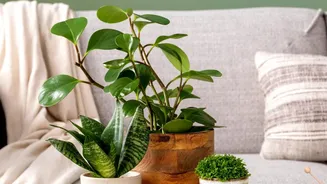

The right scent can instantly make a home feel festive, but in a small room, it's a fine line between cozy and overpowering. Mastering the art of fragrance is about strategy, not just lighting a wick or opening a bottle.
Choose Your Festive Scent Wisely
The foundation of a festive atmosphere
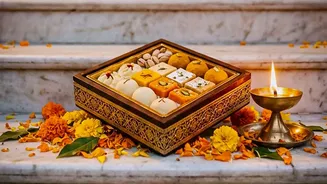
is the scent itself. Traditional holiday fragrances often fall into categories like warm spices (cinnamon, clove, nutmeg), evergreen and woods (pine, cedar, sandalwood), or gourmand sweets (vanilla, gingerbread). For Indian festivities, consider scents like jasmine, marigold, sandalwood (chandan), or sweet, smoky resins. In a small space, the key is to choose one dominant scent profile rather than mixing too many. A heavy gourmand scent paired with a strong floral can become cloying. Instead, pick a primary fragrance and stick to it, or choose scents from complementary families, like a woody base with a citrus accent.
The Art of the Candle in Compact Spaces
Candles provide both scent and a warm, ambient glow. However, in a smaller room, a large, multi-wick candle can release too much fragrance too quickly. Opt for a smaller, single-wick candle. Burn it for about 30 to 60 minutes, which is often enough to scent the room, then extinguish it. This prevents the fragrance from becoming dense and headache-inducing. Always trim the wick to about 5-6mm before each use; this reduces soot and smoke, which are more noticeable in a confined area, and ensures a cleaner burn. Natural waxes like soy or beeswax are also preferable as they tend to produce less soot than paraffin.
The Diffuser Difference for Gentle Scenting
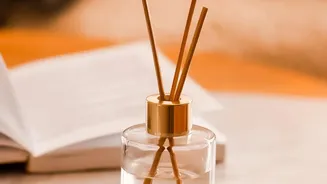
Reed diffusers are an excellent choice for small rooms because they offer a consistent, gentle fragrance without an open flame. The intensity can be easily controlled: start with just two or three reeds instead of the full set provided. If the scent is too subtle after a day, you can add another reed. Remember that heat from radiators or direct sunlight can cause the oil to evaporate faster, so place your diffuser in a spot with good air circulation but away from heat sources. This method provides a constant, subtle background aroma that makes a space feel inviting without being intrusive.
Strategic Placement Is Everything
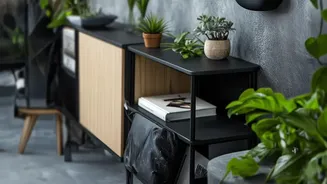
Where you place your scent source is as important as what you choose. Avoid putting a powerful candle or diffuser right in the centre of a small room or next to where you sit. Instead, place it in an area with natural movement, like an entryway or on a bookshelf, which allows the scent to circulate gently. Keep diffusers and candles away from open windows to prevent the fragrance from escaping, but ensure the room has some ventilation to avoid saturation. In very small, enclosed spaces like a powder room, a reed diffuser is often a safer and more pleasant choice than a candle.
Avoid Scent Overload and Olfactory Fatigue
In a small apartment, it's easy for scents to mingle and become muddled. Try to avoid using multiple, competing fragrances at once. If you have a diffuser in the living room, perhaps skip the scented candle there and light one in the bedroom later. This practice of 'scent zoning' helps define different spaces and prevents sensory overload. If you stop noticing a fragrance, you might have just become used to it. Before adding more scent, step outside for a few minutes to reset your nose, then come back in to assess the true fragrance level in the room.
Safety Remains Non-Negotiable
Fragrance safety is critical, especially in compact living quarters where items may be closer together. Always place candles on a stable, heat-resistant surface, away from flammable materials like curtains, books, and bedding. Never leave a burning candle unattended, and ensure it's out of reach of children and pets. For diffusers, place them where they won't be easily knocked over, and wipe up any oil spills immediately, as the oil can damage furniture surfaces. A beautiful scent should enhance your home, not create a hazard.