





The Missing Hero: Fibre
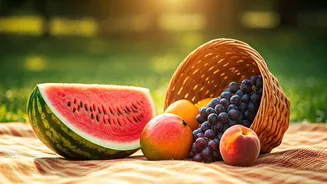
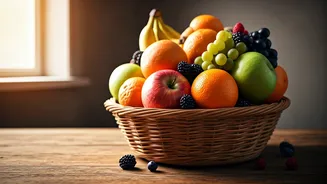
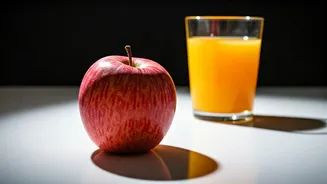
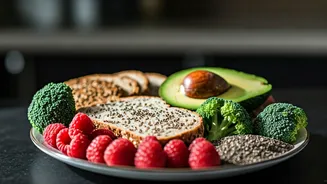
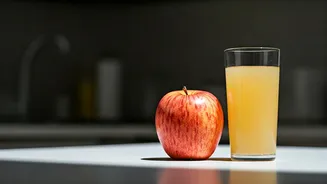
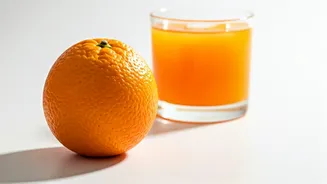
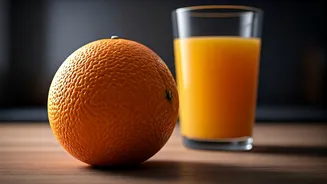
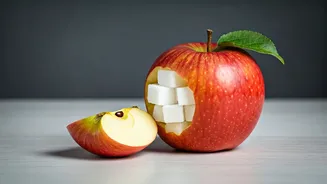
The single biggest difference between a whole fruit and its juice is fibre. When you eat an orange, a guava, or an apple, you consume all its fibrous pulp. This dietary fibre is a powerhouse for your health. It aids digestion, prevents constipation, and feeds
the good bacteria in your gut. Most importantly, it slows down the absorption of sugar into your bloodstream. Juicing, especially with a centrifugal juicer, strips away almost all of this insoluble fibre, leaving you with what is essentially sugar water with some vitamins. You discard the most hardworking part of the fruit, which is like buying a brand new phone and throwing away the battery.
A Hidden Sugar Problem
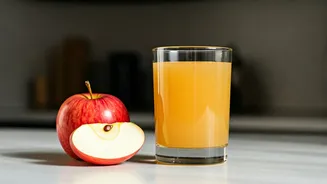
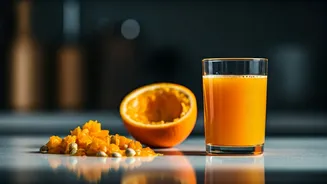
Without fibre to act as a natural barrier, the fructose (fruit sugar) in juice hits your system all at once. This causes a rapid spike in your blood sugar levels. Your pancreas then works overtime to release insulin to manage this surge. Over time, this cycle can contribute to insulin resistance and increase health risks. Think about it: you could easily drink the juice of four or five oranges in one glass, consuming the sugar of all of them in minutes. Could you eat five whole oranges in one sitting? Probably not. The fibre and the act of chewing in whole fruit make you feel full and satisfied, naturally regulating your portion size and sugar intake.
The Fullness Factor
Calories from liquids don't register in our brain's satiety centre the same way calories from solid food do. Chewing solid food sends signals to your brain that you are eating, triggering feelings of fullness and satisfaction. This is a crucial part of appetite regulation. When you drink a glass of juice, you can consume hundreds of calories without feeling full. This often leads to overconsumption, as you are likely to eat a full meal shortly after, having not felt satisfied by the juice. Eating a whole banana or a bowl of pomegranate seeds, however, is a proper snack that tides you over until your next meal.
Vitamins on the Decline
Many proponents of juicing claim it's a great way to get a concentrated dose of vitamins. While juice does contain vitamins, the process of juicing itself can lead to nutrient loss. Many essential vitamins, like Vitamin C, are sensitive to light, heat, and oxygen. The moment you cut, grind, and press a fruit, these nutrients begin to degrade. A store-bought juice that has been pasteurised (heated) and sat on a shelf for weeks has lost even more of its nutritional value. The whole fruit, protected by its skin until the moment you eat it, delivers its vitamins and antioxidants in their most stable and potent form.
But What About Cold-Pressed?
The wellness industry has an answer for this: cold-pressed juice. This method uses a hydraulic press to extract juice without generating as much heat, which is said to preserve more nutrients. While it's true that cold-pressed juice may be marginally better than juice from a centrifugal machine, it doesn't solve the two fundamental problems. It still removes the all-important fibre, and it still delivers a concentrated shot of sugar directly into your bloodstream. It might be a more expensive, aesthetically pleasing glass, but the core nutritional drawbacks remain exactly the same. It's a slightly better version of a fundamentally flawed concept.