




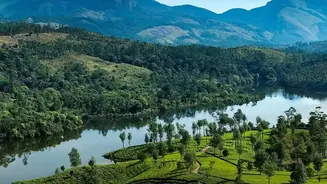
The Trend Towards Tranquillity
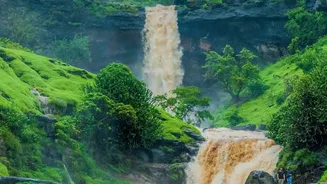
There's a noticeable shift in travel preferences. After months of heavy rain, the period from September to November unveils a different kind of beauty in India. The air is fresh, waterfalls are roaring, and the hills are covered in a lush, emerald carpet.
Holidaymakers are increasingly drawn to this, seeking peaceful retreats over bustling city breaks. This move is partly driven by a desire for slower, more mindful travel and a connection with nature. Reports show a growing interest in sustainable and experiential travel, with many Indians looking to explore destinations before they become over-touristed. The post-monsoon season, with its pleasant weather and verdant scenery, offers the perfect window for this kind of escape.
Coorg, Karnataka: The Scent of Wet Earth
Often called the 'Scotland of India', Coorg in Karnataka is arguably at its most magical after the rains. The air is thick with the fragrance of wet coffee leaves, damp soil, and pepper vines. This is when the region’s famous coffee plantations look their most vibrant, and waterfalls like Abbey and Iruppu Falls are at their thunderous best. The misty mornings, where fog wraps around the rolling hills, create a serene, almost cinematic atmosphere. It's the ideal time for leisurely drives through winding roads, peaceful walks through glistening estates, and simply sitting back with a freshly brewed coffee while watching the clouds drift by. With fewer crowds than in peak season, it offers a more intimate experience of the Western Ghats.
Wayanad, Kerala: A Green Paradise Reborn
In Kerala, 'God's Own Country', Wayanad transforms into a lush paradise post-monsoon. While the district receives heavy rainfall, the months of September and October offer a perfect balance, with the landscape still glistening from the showers but with clearer skies. The rains rejuvenate its dense forests, spice plantations, and gushing waterfalls. This is the ideal time for nature lovers to explore attractions like Banasura Sagar Dam, India's largest earthen dam, which looks stunning against a backdrop of green hills. The cool, crisp air is perfect for trekking and sightseeing, though it's wise to be prepared for occasional slippery trails. For those seeking a quiet retreat, Wayanad offers a peaceful escape into a world of mist-covered mountains and vibrant foliage.
Meghalaya: The Abode of Clouds
Meghalaya, which translates to 'the abode of clouds', truly lives up to its name in the post-monsoon period. September, in particular, is a mystical time to visit. The heavy rains have subsided, but the landscapes remain intensely green and the waterfalls, like the famous Nohkalikai Falls, are still flowing powerfully. The weather is cooler, and the mist that hangs over the valleys and living root bridges adds to the region's ethereal charm. It's an excellent time for outdoor activities, offering a perfect mix of adventure and relaxation. From the panoramic views at Laitlum Canyons to the unique culture of its villages, Meghalaya provides an unforgettable experience for those chasing green, dramatic landscapes.
Valley of Flowers, Uttarakhand: A Himalayan Carpet
For the more adventurous traveller, the Valley of Flowers National Park in Uttarakhand is a spectacular post-monsoon destination. This UNESCO World Heritage Site is a high-altitude valley that becomes a vibrant carpet of alpine flowers after the rains. While the peak bloom is in July and August, early September offers its own unique appeal. During this time, the crowds are thinner, the skies are clearer offering better mountain views, and the valley is painted with late-blooming species like asters and bistortas. The trek to the valley, through lush forests and past wild streams, is an experience in itself. It's a journey that rewards visitors with some of the most breathtaking floral landscapes in the Himalayas.