





The Anatomy of a Value Meal
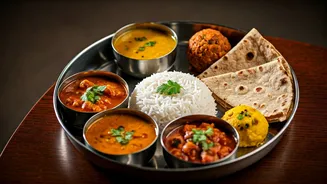
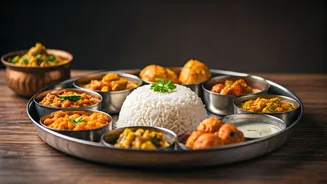
So, what does eighty rupees get you? More than you might think. A typical budget-thali is a masterclass in nutritional balance and culinary tradition. It features a serving of rice, a couple of soft chapatis, a portion of dal (lentils), and at least one
seasonal vegetable dish (sabzi). To complete this platter of health, you'll often find a sliver of pickle for a touch of zest and perhaps a small salad. It’s a complete meal, providing carbohydrates for energy, protein for muscle maintenance, and essential vitamins and minerals. This isn't a sampler plate; it is a carefully constructed, wholesome meal designed to satisfy and nourish.
The Tightrope Economics of a Tiny Margin
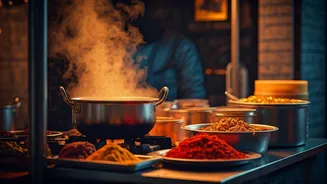
Serving a balanced meal at this price point in 2026 is nothing short of an art form, especially with fluctuating food prices. The secret lies in a business model built on volume, minimal overheads, and zero waste. Vendors, often small family-run businesses, buy ingredients in bulk from wholesale markets at dawn to cut costs. By operating from a cart or a small, no-frills eatery, they avoid the high rents and operating costs of formal restaurants. The menu is simple and often rotates based on which vegetables are in season and cheapest. Every part of the operation is lean, from using every bit of a vegetable to preparing just enough to sell out, ensuring that razor-thin margins don't disappear into a dustbin of unsold food.
More Than Just a Meal
These thalis are a lifeline for a massive segment of urban India. They feed students on shoestring budgets, migrant labourers powering the city's growth, and office workers looking for a quick, affordable, and homely lunch. In a country where a significant portion of the population belongs to the unorganised sector, these vendors provide an essential service. They ensure that a hot, nutritious meal is accessible to everyone, regardless of their income. For many vendors, it's not just a business but a form of community service, a way to ensure their neighbours and community are fed.
The Unsung Heroes of the Street
The people behind these thalis are entrepreneurs in their own right, even if they aren't celebrated on the covers of business magazines. Running a street food stall requires immense grit, long hours, and sharp business acumen. They navigate complex supply chains, manage daily cash flow, and constantly adapt to customer tastes and economic pressures, all while facing challenges like legal recognition and daily operational hurdles. These vendors are a vital part of India's informal economy, which constitutes a massive portion of the nation's workforce. Recent efforts to formalise and support street vendors through schemes and legal frameworks like the Street Vendors Act, 2014, aim to provide them with greater stability and recognition.