







The Rise of the Ingredient Detectives
A new brigade of social media personalities is leading a charge, not with diet plans, but with magnifying glasses. Dubbed 'de-influencers', figures like Revant Himatsingka, known as 'Food Pharmer', are gaining millions of followers by breaking down the
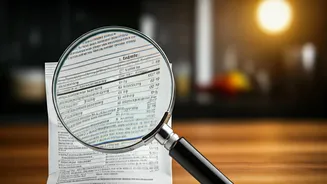
ingredient lists of popular packaged foods. Their content is simple yet disruptive: short, sharp videos that contrast a product’s healthy marketing claims with its often long and complex list of ingredients. This isn't about shaming brands as much as it is about fostering 'health literacy'. Himatsingka's 'Label Padhega India' campaign, supported by numerous celebrities and other influencers, urges consumers to make a simple habit of flipping the pack. The message is clear: if we all start reading labels, companies will have no choice but to improve what goes into their products.
From 'Healthy' to Ultra-Processed
The main target of these wellness watchdogs is the world of Ultra-Processed Foods (UPFs). These aren't just foods with added salt or sugar; they are industrial formulations made from substances extracted from foods or synthesized in labs, often containing additives like colours, flavours, and emulsifiers. Many products marketed as healthy, from breakfast cereals and 'health' drinks to supposedly wholesome biscuits, fall into this category. Influencers are teaching their audiences to spot the tell-tale signs of a UPF: an ingredient list longer than five items, names you can't pronounce, and multiple types of hidden sugars. This focus on UPFs has resonated deeply, especially after controversies involving high sugar content in products aimed at children, which brought the issue from niche wellness blogs to national headlines.
A Perfect Storm for Consumer Awakening
So why is this happening now? The trend is a result of a perfect storm. Health consciousness, already rising, intensified significantly after the pandemic. Simultaneously, a growing distrust of glossy advertising has made consumers cynical about front-of-pack claims like 'natural' or 'high-fibre'. Social media provides the perfect platform for this new scrutiny, allowing videos and infographics to go viral, spreading awareness at an unprecedented speed. When an influencer with a massive following highlights how much sugar is in a popular health drink, it creates a moment of collective realisation. This has created a snowball effect, with each new controversy—from palm oil in chips to sugar in baby formula—fuelling the public's desire for transparency.
The Real-World Ripple Effect
This online movement is having a tangible impact offline. Consumers are becoming more discerning in supermarket aisles, and the conversation is forcing regulators to take note. In early 2026, the Supreme Court directed the Food Safety and Standards Authority of India (FSSAI) to seriously consider implementing front-of-pack warning labels that clearly indicate high levels of sugar, salt, and fat. This move, long resisted by some industry players, is seen by public health advocates as a crucial step. The court noted that a consumer's right to health is paramount and that existing back-of-pack nutritional information is often insufficient for making informed choices. While a final decision is pending, the pressure from both the public and the judiciary is accelerating the push for greater transparency in India's packaged food industry.
How to Start Reading Labels Yourself
Joining this movement doesn't require a degree in nutrition. Start with a simple rule: the shorter the ingredient list, the better. Look at the first three ingredients, as they make up the bulk of the product. If sugar, refined flour (maida), or hydrogenated oils are at the top, it’s a red flag. Be wary of 'healthy' sounding sugars like 'invert sugar syrup' or 'corn syrup'. Another tip is to buy foods, not products. An apple has one ingredient: apple. A packaged apple-flavoured cereal bar can have over twenty. Don’t get fooled by claims on the front. The real story is always in the fine print on the back. Making it a habit to spend an extra 30 seconds reading the label can fundamentally change the way you eat.