
Why Go Vertical?
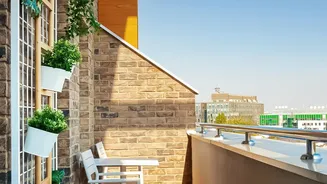
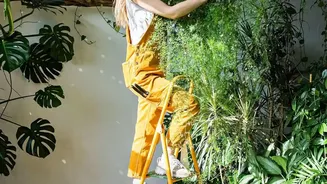
The most obvious benefit of vertical gardening is its space-saving genius. For apartment dwellers with limited floor space, growing upwards on walls or in tiered planters is a game-changer. But it's not just about saving space. A wall of green can be a stunning
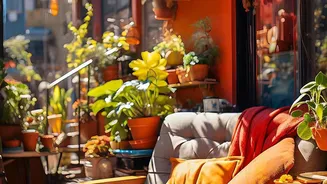
decorative feature, transforming a plain balcony or a dull indoor corner into a vibrant focal point. Beyond aesthetics, these gardens are natural air purifiers. Plants absorb pollutants and release fresh oxygen, which can significantly improve indoor air quality. Studies have also shown that being around plants can reduce stress and improve mental well-being, turning your home into a more peaceful sanctuary. Finally, vertical systems are often easier to manage; watering, pruning, and harvesting are simplified when plants are at a comfortable height.
Popular Vertical Setups
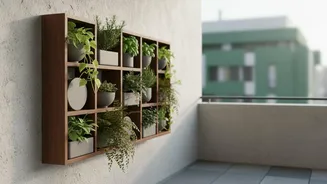
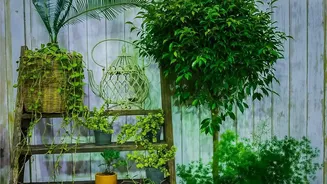
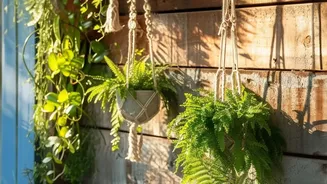
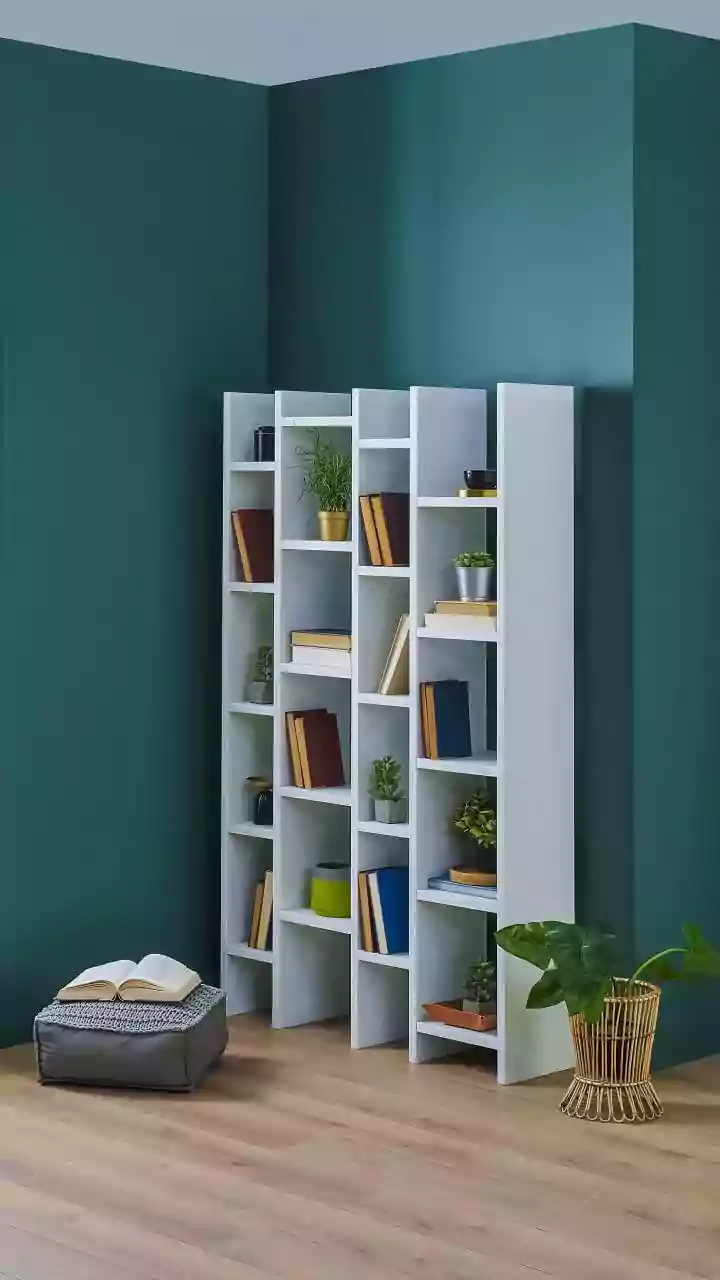
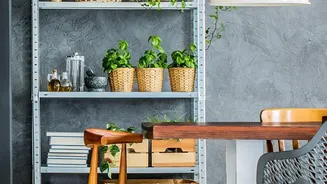
You don't need a complex, expensive system to start. The simplest approach involves using hanging baskets at different heights or training climbing plants up a trellis. Repurposed wooden pallets are a popular and affordable DIY option for creating rustic planters for herbs and flowers. Another easy method is using fabric pocket planters, which are lightweight and can be hung on a wall or railing. For a more structured look, you can find modular, stackable planters or wall-mounted shelving systems. These allow you to create a dense, living wall effect and can be customised to fit your space. For the truly ambitious, integrated green wall systems offer a seamless, professional finish, though they require more planning and investment. The key is to choose a system that fits your budget, space, and the amount of effort you're willing to put in.
Choosing The Right Plants
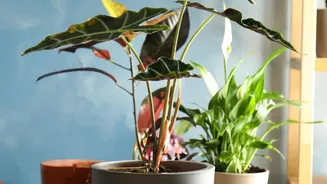
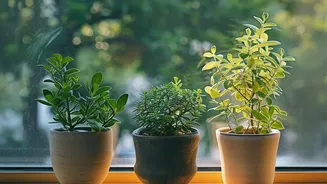
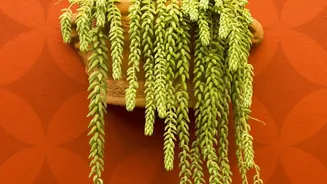
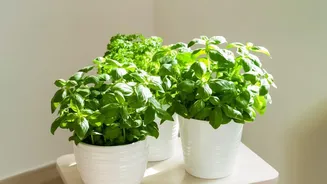
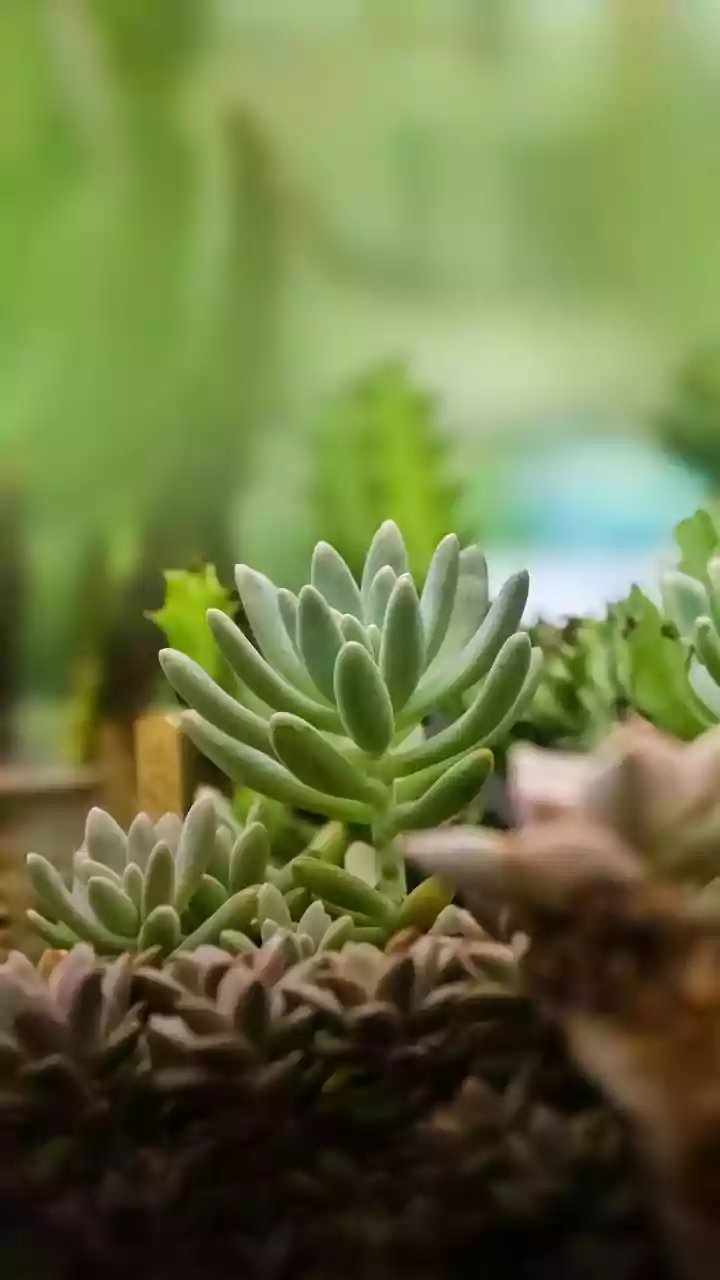
The best plants for your vertical garden will depend on the amount of light your space receives. For bright, sunny balconies, herbs like mint, basil, and oregano thrive. Trailing flowers such as petunias and verbena also love the sun and will create a beautiful cascading effect. For shadier spots or indoor gardens, look for foliage plants. Pothos (money plant) and philodendrons are incredibly hardy, tolerate low light, and have beautiful trailing vines. Ferns like the Boston fern add a lush, tropical feel but do require more moisture and humidity. Succulents and air plants are other excellent choices for indoor vertical setups, as they are low-maintenance and come in fascinating shapes and textures. For those wanting to grow their own food, cherry tomatoes, strawberries, and various leafy greens can also be adapted to vertical systems.
Getting Started: Key Tips
Before you buy anything, observe your chosen spot. How many hours of direct sunlight does it get? This will be the single most important factor in choosing your plants. Also, consider your water source. Is there a tap nearby, or will you need to carry water? Vertical gardens can dry out faster than traditional pots, so consistent watering is crucial. When setting up, ensure your wall or structure can support the weight of the planters, soil, and water. Start small with a few manageable pots or a simple DIY project. This allows you to learn without feeling overwhelmed. Choose younger plants, as they will adapt more easily to the new environment. Don't be afraid to mix different types of plants—ornamentals, herbs, and edibles—to create a garden that is both beautiful and useful.