






A Fresh Approach to Onboard Hygiene
For long-distance train travellers in India, the provision of fresh linen is a crucial part of the journey. However, the process has often been plagued by issues of hygiene, inconsistent supply, and accountability. In a move to address these concerns,
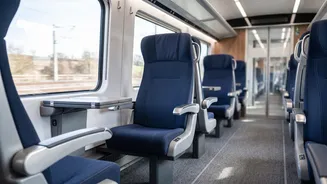
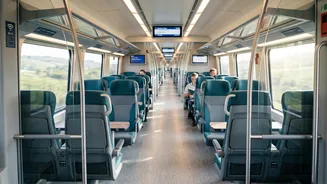
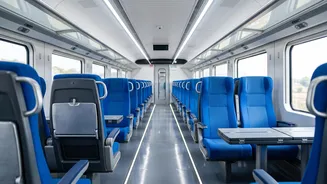
Indian Railways has launched a pilot initiative to overhaul its onboard services. Northeast Frontier Railway (NFR) has introduced an enhanced system on five of its trains, focusing on cleanliness, better maintenance, and improved passenger service through digital monitoring. This makes NFR the second zonal railway to implement such an initiative, signalling a broader push towards modernising passenger amenities across the network. The new system aims to create a more pleasant and hygienic environment for passengers in air-conditioned coaches.
The Five Trains Leading the Change
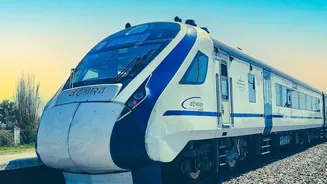
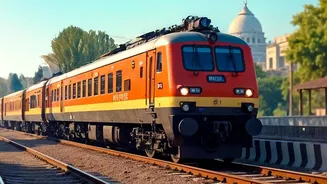
The upgraded services have been introduced on a select group of important long-distance and intercity trains, indicating a focused trial before a potential wider rollout. The services were recently launched on two Vande Bharat Express trains: the New Jalpaiguri–Patna Vande Bharat Express (22233/22234) and the New Jalpaiguri–Guwahati Vande Bharat Express (22227/22228). In addition, the initiative is active on three other key services: the Kamakhya–SMVT Bengaluru Express (12552/12551), the Guwahati–Kolkata Garib Rath Express (12518/12517), and the Dibrugarh–Mumbai LTT Express (15946/15945). These trains were equipped with the new services in mid-October 2026, marking a significant step forward in passenger care for these routes.
How the New System Works
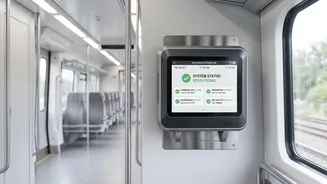
The core of the upgrade is a technology-driven approach to housekeeping and maintenance. The initiative ensures regular cleaning of coaches and AC windows, more frequent upkeep of washrooms, and efficient management of waste. For linen services specifically, the process of distribution and collection is now more streamlined and accountable. Dedicated teams are now on board to manage these tasks and provide basic technical assistance to passengers. A key feature is the digital monitoring system, which includes geo-tagged service verification and staff tracking. This allows for centralised oversight and improves accountability. Any passenger complaints are targeted to be resolved within two hours, with unresolved issues automatically escalated to senior railway authorities.
AI, Feedback, and Future-Proofing
Beyond just better management, Indian Railways is also leveraging technology at the laundry level. In parallel pilot projects in other zones, the railways have begun using Artificial Intelligence (AI) to inspect washed linen. High-resolution cameras detect stains and damages with high accuracy, ensuring that only perfectly clean linen is packed and sent back to trains. This automated quality check complements the use of 'Whito-Meters' which measure the effectiveness of the cleaning process. The new onboard system also incorporates real-time passenger feedback through star ratings and AI-based assessments of cleanliness. This data-driven approach will help evaluate performance and make continuous improvements to service quality, ensuring the system adapts to passenger needs.
The Bigger Picture for Passengers
This initiative is about more than just cleaner bedsheets; it represents a fundamental shift towards a more professional and passenger-centric service model for Indian Railways. The previous system often left attendants responsible for distributing and accounting for linen, which could lead to losses and disputes. While measures like CCTV and digital apps have been tried before, this new integrated system aims for a more holistic solution. By combining dedicated teams, digital tracking, and a robust feedback loop, the railway authorities are aiming to permanently solve issues related to on-board hygiene and service quality. For passengers, this means a more reliable, comfortable, and pleasant journey, with the assurance that their concerns can be addressed promptly and effectively.