




More Than Just Paint
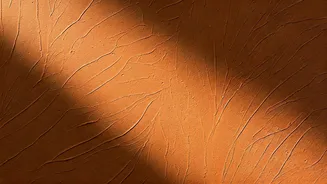
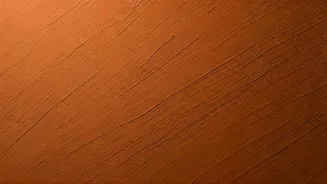
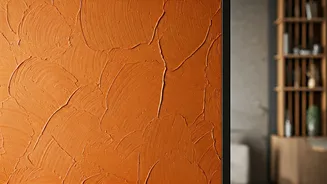
So, what exactly is this finish? It's not your standard emulsion paint. The look is typically achieved using natural materials like lime wash, clay plaster, or Venetian plaster. Unlike paint, which forms a film on the surface, these coatings are breathable
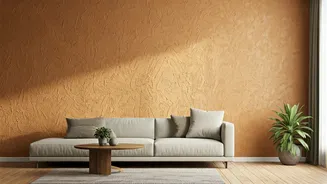
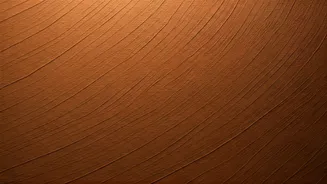
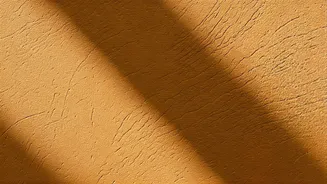
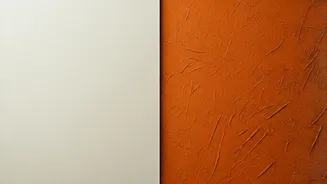
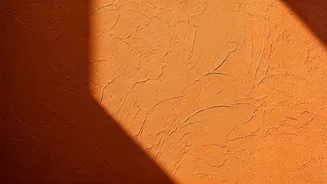
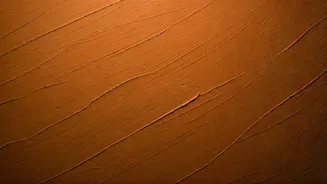
and become part of the wall itself. The result is a finish with subtle variations in colour and a soft, chalky or lightly polished texture that you can’t help but want to touch. The terracotta colour, reminiscent of sun-baked earth, is a popular choice, but these finishes come in a whole palette of earthy tones, from sandy beige to muted greens and greys. This depth and imperfection are what separate it from a simple feature wall painted with a flat colour.
Why It Feels So Luxurious
The appeal of these walls goes beyond their visual beauty. It taps into a deeper design philosophy that’s gaining traction: the move towards wellness and authenticity in our living spaces. In a world saturated with digital screens and mass-produced goods, a textured, natural wall feels grounding. It’s part of the ‘biophilic design’ trend, which seeks to connect us with nature indoors. The subtle imperfections celebrate the Japanese concept of wabi-sabi—finding beauty in the incomplete and imperfect. It whispers ‘quiet luxury’ rather than shouting for attention. It suggests a space that is curated, calm, and connected to natural elements, which is the ultimate premium experience today.
A Modern Take on Tradition
While this trend feels modern, it has deep roots in Indian architecture. For centuries, homes across the country, from rural dwellings to grand havelis, have used natural plasters. Think of the traditional lime plaster (chuna), which was used for its cooling properties and natural finish, or the earthy appeal of mud-plastered walls. What we’re seeing now is a contemporary reinterpretation of this wisdom. Designers are using these age-old materials and techniques in modern apartments and villas, proving that what is traditional can also be incredibly chic and sophisticated. It feels authentic because, in many ways, it’s a return to our own architectural heritage.
How to Get the Look
Achieving this finish can range from a weekend DIY project to a specialised professional job. For a simpler, more affordable approach, many paint brands now offer ‘lime-effect’ or ‘textured stone’ paints that mimic the look with an acrylic base. They are easier to apply but may not have the same depth as the real thing. The next step up is a true lime wash. It requires more preparation and a specific application technique (usually with a special brush) to get the classic cloudy effect, but it offers a genuinely natural and breathable finish. For the most premium and durable option, you’d look at clay plasters or Venetian plaster. These are almost always applied by skilled artisans. The process is labour-intensive and more expensive, but the result is a seamless, hard-wearing surface with unparalleled depth and texture.
Where It Works Best
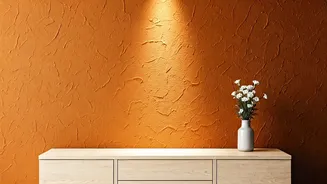
The versatility of this finish is one of its biggest strengths. A warm terracotta or beige textured wall can create a cosy, inviting atmosphere in a living room or bedroom, serving as a stunning backdrop for furniture and art. It’s particularly effective on a large, unbroken wall where the texture can be fully appreciated. Don't be afraid to use it in smaller spaces, either. A powder room or entryway with a textured finish can feel like a little jewel box. The key is lighting. Natural light grazing the wall during the day and strategic spotlights or wall sconces at night will dramatically highlight the texture and bring the surface to life.