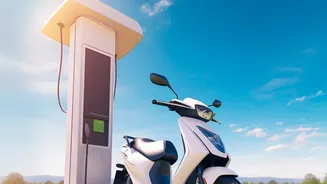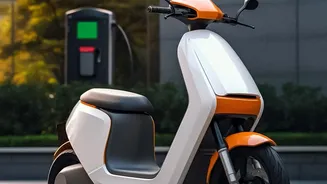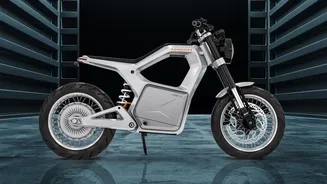


The Challenge with Today’s EVs
For the average city rider in India, the biggest barriers to adopting an electric vehicle (EV) are cost, range anxiety, and safety. Most EVs today run on lithium-ion batteries. While effective, these batteries use a liquid electrolyte, which makes them
heavy, expensive to produce, and requires complex cooling systems to prevent overheating. News of battery fires in electric scooters has also made many potential buyers cautious. These limitations have kept the price of reliable EVs just out of reach for a large segment of the population and created worries about their practicality for daily use.
What is Solid-State Technology?
Imagine replacing the sloshing liquid inside a battery with a solid, stable material. That’s the core idea behind solid-state technology. A solid-state battery uses a solid electrolyte—often a ceramic or polymer material—to move ions between the anode and cathode. This single change in design has a ripple effect, unlocking a host of benefits that directly address the weaknesses of current lithium-ion batteries. It’s not just a small upgrade; it’s a fundamental shift in how we store and use energy for mobility.
The Path to Lower Costs
While solid-state batteries are currently more expensive to manufacture, their design holds the key to making EVs cheaper in the long run. Firstly, the solid electrolyte is far more stable and less flammable, eliminating the need for the heavy and costly cooling and safety systems that add to the price of current battery packs. Secondly, as companies refine manufacturing processes and achieve economies of scale, the production cost is expected to drop significantly. Finally, these batteries have a much longer lifespan, capable of handling more charge and discharge cycles, which reduces the total cost of ownership over the vehicle's life.
More Kilometres, Less Waiting
One of the most exciting promises of solid-state technology for city riders is the boost in performance. Because they are more energy-dense, these batteries can store much more power in the same amount of space, or provide the same power in a smaller, lighter pack. This translates to a longer range, effectively ending the anxiety of running out of charge mid-commute. Furthermore, their stable structure allows for dramatically faster charging. Instead of waiting hours, future EVs could potentially be charged in minutes, making them as convenient as filling up a petrol tank.
A Safer Ride on Crowded Streets
Safety is a non-negotiable for urban mobility. The liquid electrolyte in lithium-ion batteries is flammable and can, in rare cases of damage or malfunction, lead to fires. Solid-state batteries virtually eliminate this risk. By using a non-flammable solid material, the chance of a fire or explosion, even in the event of an accident, is significantly reduced. This inherent safety feature is a massive selling point, especially for electric two-wheelers that are a popular mode of transport in India’s dense urban environments.
The Indian Roadmap
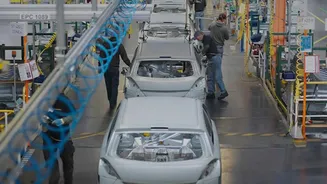
So, when can we expect to see this technology on Indian roads? While mass-market adoption is still a few years away, with most global automakers targeting the late 2020s for premium models, the groundwork is already being laid in India. Companies like Ola Electric have announced plans to build a dedicated gigafactory for solid-state batteries. Meanwhile, other Indian firms like Vikram Solar and Chennai-based Ramcharan are also investing in manufacturing and research, with some even exploring alternatives like sodium-ion solid-state tech. This domestic push signals that the transition is not a distant dream but an active goal.