




Dressing the Part: Garba Fashion Trends
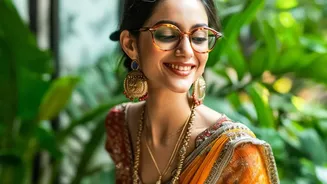
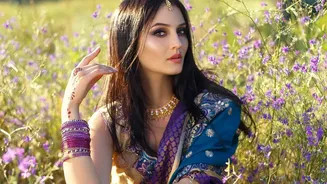
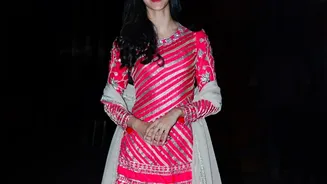
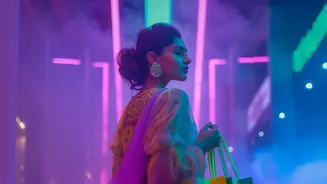
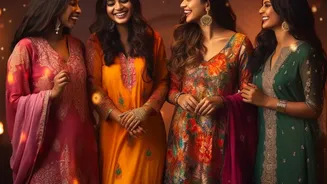
Navratri is the most outfit-intensive festival for many, and 2026 is all about blending tradition with a modern flair. The classic Chaniya Choli remains the star of the Garba ground. This year, look for dramatic, full-flare skirts, some boasting up to
45 meters of fabric for that perfect twirl. Mirror-work is a major trend, with intricate designs catching the light during energetic dances. While traditional Bandhani and Gamthi embroidery hold their ground, designers are also introducing contemporary elements. Corset-style cholis and modern fusion looks like sharara sets are gaining popularity among those seeking a fresh silhouette.
Beyond the Usual: Colours and Comfort
While the nine-day colour code remains a beloved tradition, 2026 sees a leaning towards rich jewel tones like emerald, sapphire, and deep wine, especially for evening events. Pastel shades such as lavender, mint green, and blush pink are also making a strong appearance for a softer, elegant look. Comfort is key for long nights of dancing. Fabrics like lightweight cotton, georgette, and chiffon are in high demand, allowing for breathability and freedom of movement. For men, short kurtas paired with tailored trousers or full kurta sets in deep jewel tones are a popular and comfortable choice. Across the board, oxidized silver jewellery remains the go-to accessory to complete the festive look.
The Navratri Plate: Fasting Favourites
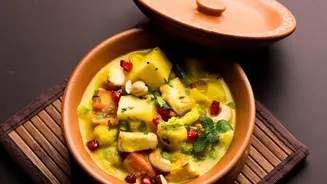
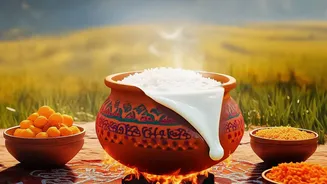
Navratri is as much a culinary journey as it is a spiritual one. For those observing a fast (vrat), the diet is specific, avoiding grains, onions, garlic, and regular salt. Instead, meals are prepared with ingredients like buckwheat flour (kuttu), water chestnut flour (singhara), and barnyard millet (samak rice), using rock salt (sendha namak) for seasoning. The classic Sabudana Khichdi, made from tapioca pearls, potatoes, and peanuts, is a staple that provides energy. Kuttu ki Puri, often served with a simple potato curry (aloo sabzi), is another filling and popular meal.
Innovative Vrat Recipes for 2026
While traditional recipes are cherished, there's a growing trend towards innovation to avoid monotony over the nine days. People are moving beyond the same few dishes and exploring new ideas. Creative options include Kuttu Cheelas (buckwheat pancakes), Rajgira Parathas (amaranth flatbread), and Samak Rice Pulao, which offer variety in taste and texture. For a sweet treat, Singhara Halwa (water chestnut flour pudding) or Makhana Kheer (fox nut pudding) provide a delicious and vrat-friendly dessert option. These dishes ensure that fasting remains a nourishing and enjoyable experience.
Feasting with Family and Friends
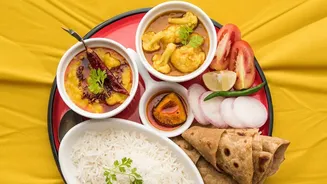
Beyond the fasting rules, Navratri is a time for feasting and sharing joy. For meals that are not part of the vrat, the culinary landscape is rich and diverse. Families prepare an array of sweets and savouries to offer guests and enjoy together. These can range from regional specialities to universally loved festival treats. The end of Navratri, marked by Dussehra on October 20th, is a day of grand celebration where fasting concludes and elaborate meals are shared. This often includes a full thali with various vegetable dishes, rice, bread, and an assortment of desserts, marking the triumphant end to the nine days of observance.