





Cash Is Still Comforting
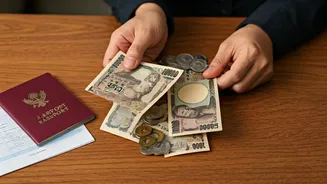
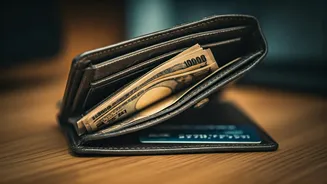
The biggest surprise for many Indian travellers is Japan's continued reliance on cash. While large cities like Tokyo and Kyoto have seen a significant shift towards cashless payments, cash remains essential for many authentic experiences. Many smaller,
family-run restaurants, charming local pubs (izakayas), street food stalls, and entrance fees for temples and shrines will only accept Yen. Think of those delicious ramen shops with vending-machine-style ticket systems; they almost exclusively take bills and coins. While you won't need wads of cash like in the past, carrying a comfortable amount is non-negotiable for a stress-free trip, especially if you venture into more rural areas where card acceptance drops significantly.
The Best Way to Get Yen
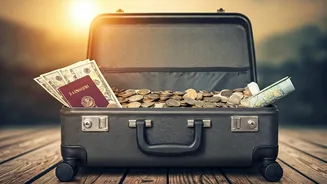
The question then becomes: where is the best place to get Japanese Yen? Exchanging a large amount of currency in India before you leave is often not the most cost-effective option due to less favourable exchange rates. A far better strategy is to withdraw Yen from an ATM after you arrive in Japan. The most recommended and widely accessible ATMs for foreign cards are found inside 7-Eleven convenience stores (using Seven Bank ATMs) and Japan Post Bank branches. These machines have English menus and are available 24/7, making them incredibly convenient. A good rule of thumb is to withdraw around ¥20,000 to ¥30,000 upon arrival to cover your initial expenses. This ensures you have cash for transport, a meal, and any small purchases without having to hunt for an ATM immediately. Remember to inform your Indian bank about your travel plans to ensure your cards work smoothly overseas.
Making Your Indian Cards Work
For larger expenses like hotels, department store shopping, and fancier restaurants, your Indian credit and debit cards will work just fine. Visa and Mastercard are widely accepted, especially in urban centres. However, always have a backup plan. It's wise to carry more than one card in case one is not accepted or gets flagged for security reasons. A crucial tip: when you use your card and the payment machine asks if you want to be charged in Indian Rupees (INR) or Japanese Yen (JPY), always choose JPY. Opting for INR might seem easier, but it involves a process called Dynamic Currency Conversion (DCC), which often comes with a poor exchange rate and higher fees. Sticking to the local currency ensures you get a better rate from your own bank.
Beyond Cash: IC Cards Explained
For navigating Japan's world-class public transport, an IC card like Suica or Pasmo is your best friend. These are rechargeable cards that you can tap for entry at train gates and on buses, automatically deducting the correct fare. But their utility doesn't stop there. You can use them to pay at convenience stores, vending machines, and even some shops and restaurants, making them a fantastic substitute for small cash transactions. For iPhone users, you can add a digital Suica card to your Apple Wallet and top it up using your Indian credit card. For most Android users from India, getting a physical card at the airport or a major train station and topping it up with cash is the most reliable method.
The Future: What About UPI?
For travellers accustomed to the seamlessness of UPI in India, the question of its availability in Japan is natural. As of mid-2026, while there is a lot of positive movement, UPI is not yet widely available for Indian tourists. A trial is planned to roll out UPI capabilities at select merchants, but it is not yet a universal system you can rely on for your entire trip. Unlike in India, where QR codes are everywhere, Japan's QR code ecosystem is dominated by local players like PayPay and Line Pay, which are generally not accessible to tourists without a Japanese bank account. For now, think of any UPI functionality as a potential bonus rather than a primary payment method.
A Cultural Note: No Tipping
Finally, a crucial cultural reminder: do not tip. In Japan, excellent service (omotenashi) is considered standard and is included in the price. Tipping is not part of the culture and can cause confusion or even be considered impolite. If you leave cash on a table, a server will likely chase you down the street to return it, assuming you forgot it. Your genuine appreciation is best expressed with a polite 'Arigato gozaimasu' (Thank you very much) and a slight bow or nod. This simple gesture is the most culturally appropriate way to show your gratitude.