




The Post-Pandemic Economic Imperative
The primary driver behind this new focus is economic. The global travel shutdown during the COVID-19 pandemic dealt a severe blow to India's tourism sector, which was a significant contributor to GDP and employment. Before 2020, tourism accounted for millions
of jobs and brought in billions in foreign exchange. The government now sees reviving and expanding this sector as a low-hanging fruit for economic recovery. Events like the G20 Summit, which saw delegates travel across the country, served as a powerful reminder of India's potential as a premier destination for both leisure and business. The goal is no longer just to recover but to surpass pre-pandemic arrival numbers by making the first step of the journey—getting a visa—as frictionless as possible.
From 'Difficult' to Digital First
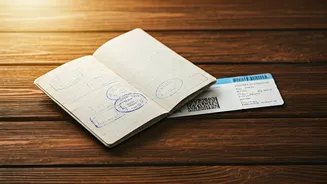
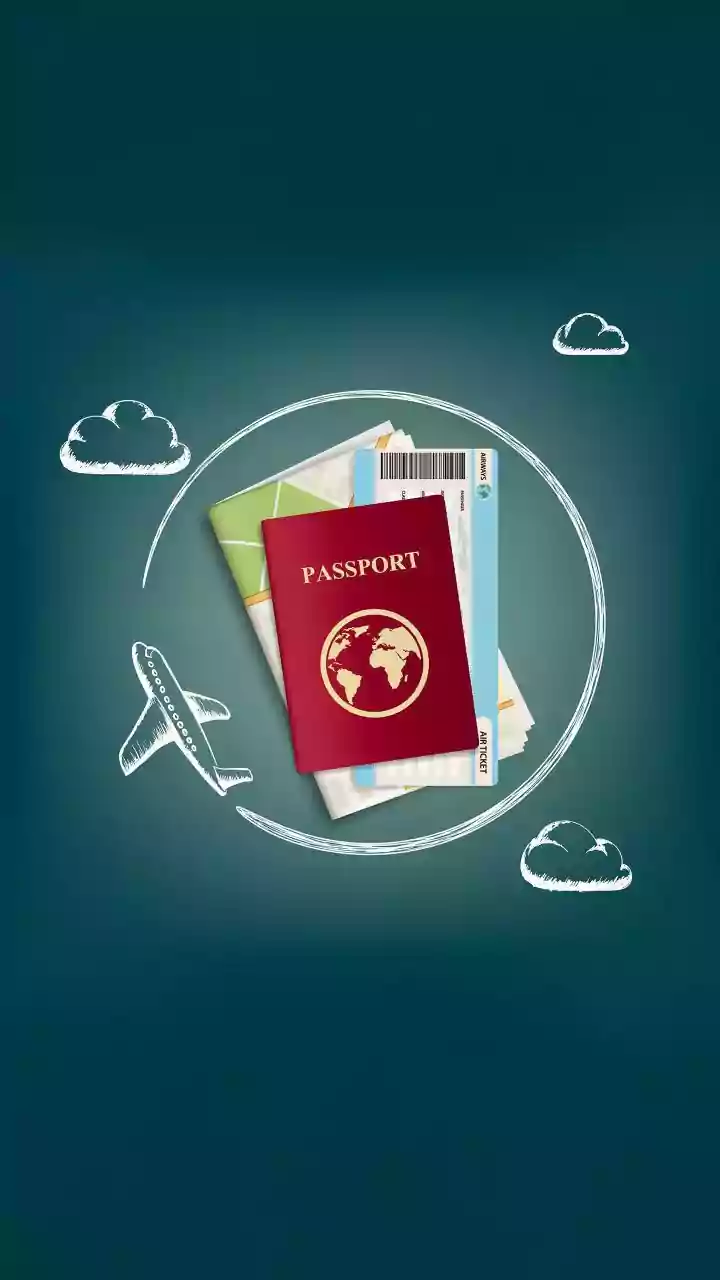
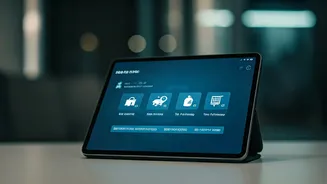
India's visa process has long held a reputation for being bureaucratic and cumbersome. The current government is actively working to dismantle this perception. The strategy revolves around a 'digital first' approach, centred on expanding and streamlining the e-visa system. This system, which allows travellers from eligible countries to apply online for visas for tourism, business, and medical treatment, is being extended to more nations. Furthermore, there's a push for longer-duration tourist visas, moving away from short-term permits to encourage more extended stays and repeat visits. This represents a fundamental change in mindset, from one of cautious gatekeeping to one of active invitation, aiming to improve India’s ranking in global travel and tourism competitiveness indices.
A New Tool for Soft Power
This policy shift is not just about economics; it's also a calculated diplomatic move. External Affairs Minister S. Jaishankar has repeatedly framed visa liberalisation as a crucial element of India's foreign policy and a reflection of a rising, confident nation. In an interconnected world, facilitating the movement of people—students, tourists, business people, and artists—is a powerful form of soft power. By making it easier for foreigners to visit, India aims to foster greater understanding of its culture, create stronger people-to-people ties, and build goodwill. A welcoming visa regime sends a clear message: India is open for business, tourism, and collaboration. It is a strategic tool to strengthen bilateral relationships, especially with friendly nations whose citizens are key sources of tourism and investment.
Who Stands to Benefit?
The most immediate beneficiaries are, of course, international travellers who can now look forward to a less stressful application process. But the ripple effects are far-reaching within India. The hospitality sector—from luxury hotels to budget guesthouses—is poised for a significant boost. Airlines, tour operators, and local transport providers will see increased demand. Perhaps most importantly, the push will support countless small businesses and local artisans in tourist hotspots, creating jobs and preserving traditional crafts. The government is targeting visitors from high-spending source markets in Europe, North America, and Southeast Asia, hoping to increase the average spend per tourist. This influx of foreign currency is vital for strengthening the rupee and bolstering the national economy.
Challenges on the Road Ahead
While the intent is clear, execution is key. Simplifying visa rules is only the first step. India must also address infrastructural challenges to ensure it can handle a surge in tourist numbers. This includes improving connectivity to remote destinations, ensuring high standards of hygiene and safety, and upgrading airport capacity. There is also the constant balancing act between openness and national security, which remains a primary concern for the Ministry of Home Affairs. Furthermore, India faces stiff competition from neighbouring countries in Southeast Asia, which have long relied on tourism and have highly developed ecosystems to support it. To truly succeed, a simplified visa process must be matched by a world-class on-ground experience for visitors.