




The Power of Three
When you have minimal space, you need maximum efficiency. Squats, push-ups, and planks are compound exercises, meaning they work multiple muscle groups simultaneously. This is the secret to a full-body workout in a fraction of the time. Instead of isolating
small muscles, you engage your entire core, upper body, and lower body with just a few movements. This not only builds balanced strength but also increases your heart rate, providing cardiovascular benefits and burning calories effectively. You don't need a sprawling area; a small patch of floor, about the size of a yoga mat, is all the real estate you need to transform your body.
The Squat: Your Lower Body Powerhouse
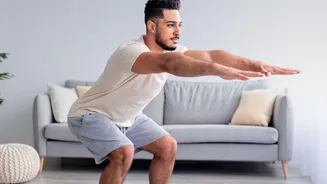
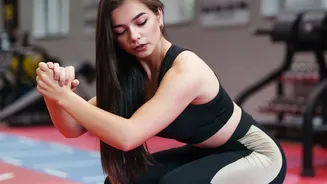
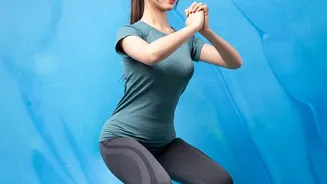
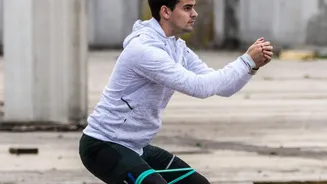
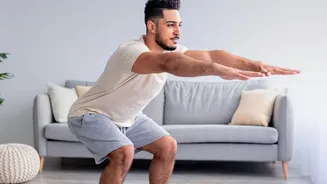
The squat is a foundational movement that targets some of the largest muscles in your body: your glutes, quadriceps, and hamstrings. A strong lower body is crucial for everything from carrying your backpack to maintaining good posture during long study sessions. To perform a basic squat, stand with your feet shoulder-width apart. Keeping your chest up and back straight, lower your hips as if sitting in a chair. Aim to get your thighs parallel to the floor, ensuring your knees track over your feet but not past your toes. Press through your heels to return to the starting position. This single move builds functional strength that you'll use every day.
The Push-Up: The Ultimate Upper Body Builder
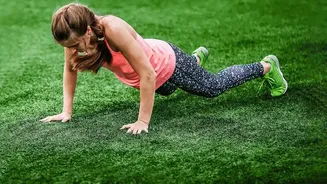
The push-up is unparalleled for building upper-body and core strength without any equipment. It targets your chest, shoulders, and triceps while demanding constant engagement from your core to keep your body in a straight line. To start, get into a high plank position with your hands slightly wider than your shoulders. Lower your body until your chest is close to the floor, then push back up. For beginners, a great modification is to perform push-ups on your knees or against a wall to reduce the difficulty while still building strength. As you get stronger, you can progress to more challenging variations.
The Plank: For Core Stability and Strength
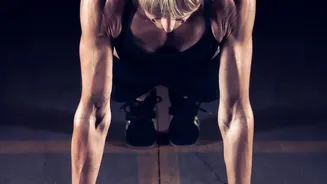
A strong core is the bedrock of a healthy body, improving posture and reducing the risk of back pain. The plank is an isometric exercise, meaning you hold a single position, which builds incredible endurance in your abdominal muscles, back, and shoulders. To do a plank, hold a push-up position, resting your weight on your forearms instead of your hands. Your body should form a straight line from your head to your heels. Avoid letting your hips sag or rise too high. Holding this position challenges your stability and mental grit, making it a surprisingly intense and effective exercise.
Your 20-Minute Hostel Room Circuit
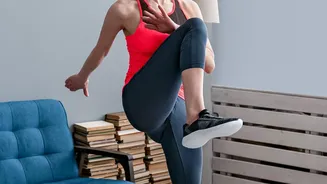
Putting it all together is simple. A circuit format keeps the workout dynamic and your heart rate elevated. You can structure your 20 minutes in several ways. One effective method is to work in timed intervals. For example, perform each exercise for 45-50 seconds, followed by 10-15 seconds of rest before moving to the next. After completing all three exercises, rest for one minute, then repeat the entire circuit. Aim for 4-5 rounds. This structure is not only time-efficient but also delivers significant health benefits, from improved metabolism to better mental clarity and focus. Remember to start with a brief warm-up, like marching in place or arm circles, to prepare your body for movement.
Consistency Over Intensity
The biggest benefit of a short, accessible workout is that it's easy to stick with. The key to seeing results is consistency. A 20-minute daily routine is far more effective than an intense, two-hour gym session once a week. It builds a habit and sends a signal to your body that it needs to adapt and grow stronger. This workout can also be a powerful mental break from academic pressures, helping to reduce stress and boost your mood. Don't worry about being perfect from day one. Start with what you can do, focus on your form, and gradually challenge yourself by increasing your repetitions or hold times as you get stronger.