




The Challenge of Urban Heat
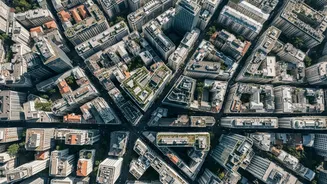
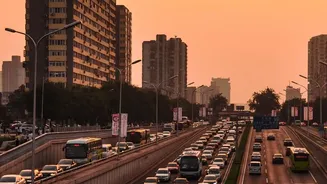
In many Indian cities, public life grinds to a halt during the hottest parts of the day. Parks, plazas, and pavements become unusable under the scorching sun, victims of the Urban Heat Island (UHI) effect. This phenomenon, where cities are significantly
warmer than surrounding rural areas, is caused by the vast expanses of concrete and asphalt that absorb and radiate heat. This intense heat doesn't just make public spaces uncomfortable; it renders them empty. The hours between morning and evening are often lost opportunities for community gathering, recreation, and learning, disproportionately affecting those without access to private, air-conditioned spaces.
A Simple, Powerful Solution
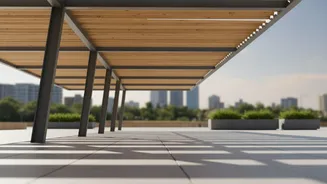
The answer may be simpler than we think: shade. By strategically installing shade structures, cities can reclaim these lost hours. These are not just basic awnings; the solutions can range from tensile fabric sails and modular pergolas to integrating fast-growing, native trees. Such structures do more than just block sunlight. They create microclimates, reducing ambient temperatures and providing immediate relief from the heat. This simple intervention can make public areas more comfortable and usable throughout the day, effectively extending the hours during which people can enjoy the outdoors safely.
From Cool Spaces to Reading Havens
Cooler spaces are more inviting, and when people gather, culture can flourish. The headline's promise of 'extending reading hours' taps into a growing movement to reclaim public spaces for quiet, mindful activities. Across India, community-led reading groups have been meeting in parks like Cubbon Park in Bengaluru and Lodhi Garden in Delhi, demonstrating a clear desire for shared, peaceful public life. However, these gatherings are often confined to early mornings or late afternoons. Purpose-built shaded areas would allow such activities to thrive all day long. They would create safe, accessible havens for students to do homework, for elderly citizens to read newspapers, and for anyone to simply enjoy a book, fostering literacy and community simultaneously.
More Than Just Books
The benefits extend far beyond literacy. Shaded public spaces promote social cohesion by providing comfortable spots for people to interact. They can improve public health by protecting against harmful UV radiation and heat-related illnesses. Economically, they can benefit small-scale vendors who operate nearby, as more people are encouraged to spend time in these areas. Furthermore, well-designed shade structures can enhance the aesthetic appeal of a neighbourhood, becoming landmarks in their own right. They are a form of 'tactical urbanism'—low-cost, high-impact interventions that dramatically improve the quality of urban life.
The Path to Implementation
Implementing this vision across India's diverse cities comes with challenges, primarily related to planning, funding, and maintenance. Urban governance in India often involves multiple agencies with overlapping responsibilities, which can complicate new projects. However, these hurdles are not insurmountable. Solutions can be found in public-private partnerships, community involvement in design and upkeep, and the use of modular, low-cost, and durable materials. Starting with pilot projects in high-traffic parks, near community libraries, or at bus stops can demonstrate the value of shade and build momentum for wider adoption. The key is to see shade not as a luxury, but as essential public infrastructure.