



The ‘Swicy’ Sensation
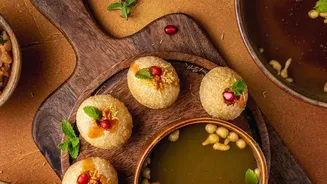
If you’ve noticed hot honey drizzled on your pizza, mango peri-peri wings on a starter menu, or jaggery-chilli glazes on paneer tikka, you’ve experienced the ‘swicy’ trend. While the term might be a recent global import, the flavour profile is deeply
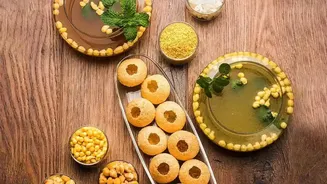
Indian. For generations, we have instinctively balanced sweet and heat in our chaats, pickles, and chutneys—think of the sweet tang of tamarind chutney cutting through the spice of a samosa. What’s different now is the branding. Giving this familiar concept a catchy name has made it a sensation, especially among younger diners who are looking for adventurous yet comforting flavours. It’s the perfect gateway, an accessible entry point that reacquaints the modern palate with complex flavour pairings.
Beyond Butter Chicken
For decades, eating out at an Indian restaurant often meant choosing from a familiar lineup of North Indian staples. But consumers have graduated. Data from 2026 shows that while dishes like chicken tikka masala are declining in popularity, regional specialities like biryani, chaat, and dal makhani are on the rise. Chefs and diners alike are looking past the predictable and diving deep into the country's vast culinary library. This isn't about rejecting global influences, but about a newfound confidence. It's a recognition that the most exciting new flavours might not come from another country, but from another Indian state. This movement is about rediscovering and celebrating the incredible diversity that has always existed within our own borders.
The Chefs and Creators Driving Change
This culinary renaissance is being led by a new generation of Indian chefs. Many have trained internationally but have returned home with a passion for championing their heritage. Chefs like Prateek Sadhu, who left a celebrated Mumbai restaurant to open a small, 16-seater in Himachal Pradesh, are focusing entirely on Himalayan ingredients and cooking techniques. Others, like Radhika Khandelwal in Delhi, build their menus around indigenous and foraged ingredients like black chakhao rice from Manipur. This is amplified by social media, where food creators and home chefs are making once-obscure regional dishes accessible and visually appealing to millions. They are creating a national conversation around local food, inspiring curiosity and a desire for authenticity.
From Hyperlocal to Your Plate
The trend goes even deeper than just regionalism; it's becoming 'hyperlocal'. This means focusing on ingredients sourced from a specific, narrow geographic area, sometimes just a few kilometres away. It's a celebration of terroir—the unique environment and farming practices that give food its character. This translates to menus featuring dishes you won't find anywhere else: Naga cuisine with its fermented bamboo shoots, Bihari food like litti chokha, and coastal delicacies from Kerala made with freshly grated coconut and local spices. Restaurants are highlighting GI-tagged ingredients and reviving 'lost' recipes that were previously only known to a few families, creating a direct link between the farmer, the chef, and the diner.