






The Indoor Air Dilemma
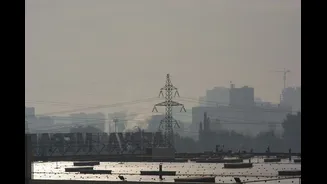
During winter, a phenomenon called temperature inversion traps pollutants close to the ground, causing the thick smog many Indian cities experience. Instinctively, we shut our windows and doors. While this reduces the infiltration of dangerous outdoor
particulate matter (PM2.5), it creates a different problem. Without ventilation, indoor pollutants build up. These include carbon dioxide (CO2) from our own breath, volatile organic compounds (VOCs) from paints, furniture, and cleaning products, and moisture from cooking and bathing. Studies show that indoor air can be two to five times more polluted than the air outside. The challenge, therefore, isn't just to keep bad air out, but to ensure the air inside remains fresh and breathable.
Strategic Ventilation: Timing is Everything
The solution isn't to stop ventilating, but to do it smartly. Continuously leaving windows cracked open on a high-pollution day is not the answer. Instead, monitor the local Air Quality Index (AQI). Typically, pollution levels are highest in the early morning and overnight when the air is cool and still. The best time to ventilate is often in the early to mid-afternoon, when warmer temperatures may cause the air to circulate and briefly improve the AQI. Practice 'shock ventilation': open windows and doors wide for just 5-10 minutes to allow a rapid exchange of air, then close them again. This is more effective at flushing out stale indoor air without allowing outdoor pollutants to build up excessively.
Air Purifiers: A Powerful Tool, Not a Magic Bullet
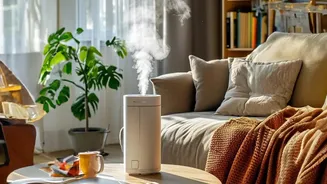
High-efficiency particulate absorbing (HEPA) air purifiers are excellent at removing PM2.5, dust, pollen, and other airborne particles from the air that is already inside a room. They are a crucial part of any clean-air strategy. However, it is vital to understand their limitation: air purifiers do not remove gaseous pollutants like CO2. They only recirculate and filter indoor air; they do not bring in fresh oxygen. Relying solely on a purifier in a sealed room can lead to high CO2 levels, causing symptoms like headaches, dizziness, and fatigue. Think of a purifier as a tool for cleaning the air, and ventilation as the tool for refreshing it.
Seal the Gaps First
Before investing heavily in technology, focus on the most cost-effective step: sealing your home. Polluted air doesn't just enter through open windows; it seeps through gaps around window frames, under doors, and through exhaust fan openings. Applying simple weatherstripping to window edges and fitting a brush seal at the bottom of doors can dramatically reduce the amount of outdoor pollution that passively leaks into your home. This is often the single highest-return intervention you can make, ensuring that when your home is closed, it's truly protected.
Low-Tech Ways to Reduce Indoor Pollutants
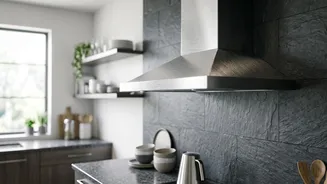
Your daily habits can significantly impact indoor air quality. Always use an exhaust fan in the kitchen when cooking and in the bathroom when showering to vent moisture and fumes directly outside. Minimise sources of indoor pollution by avoiding incense sticks and candles, and opting for low-VOC or zero-VOC paints and cleaning products where possible. While often touted as a solution, the air-purifying effect of houseplants on PM2.5 is minimal compared to ventilation or a mechanical purifier, though they can help with certain VOCs and add to a sense of well-being.
Create a Clean Air Zone
Rather than trying to keep the entire house pristine, focus your efforts on creating a dedicated 'clean air zone', usually a bedroom. Keep the door to this room closed as much as possible. Use an appropriately sized air purifier in this room and practice strategic ventilation. This ensures you have a safe haven with clean air, which is particularly important for sleeping, when your body is recovering. This is especially critical for households with children, the elderly, or those with respiratory conditions.