







India's tourism sector is booming, bringing economic growth but also placing immense strain on fragile ecosystems and local communities. Sustainable travel offers a crucial pathway to ensure this growth is responsible, not destructive.
The Tourism Paradox
From the Himalayan
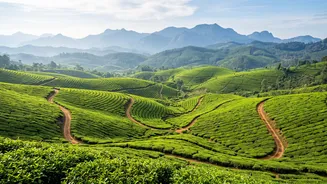
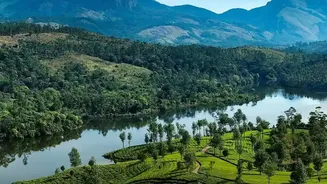
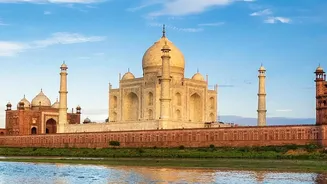
peaks to the backwaters of Kerala, tourism is a powerful engine for economic growth in India, supporting millions of jobs and contributing significantly to the GDP. However, this success is a double-edged sword. Popular destinations often grapple with the consequences of their own popularity: overflowing landfills, strained water resources, destruction of natural habitats, and the erosion of local culture. Unchecked mass tourism can lead to the very degradation of the pristine landscapes and rich cultural heritage that attract visitors in the first place, creating a cycle of diminishing returns. This has prompted a nationwide conversation about finding a better way forward.
More Than Just 'Green'
Sustainable tourism is often mistaken for just being 'eco-friendly', but its scope is much broader. True sustainability rests on three pillars: environmental protection, social equity, and economic viability. Environmentally, it means minimizing your footprint by conserving resources and reducing waste. Socially, it involves respecting local cultures and ensuring that the host communities benefit directly from tourism. Economically, it means creating long-term livelihood opportunities for locals, from homestay owners and guides to artisans and farmers. It’s a holistic approach that seeks to make tourism a force for good, enriching both the visitor and the destination.
India's Sustainable Pioneers
Across India, inspiring examples show this balanced approach is not just possible, but already thriving. Sikkim stands out as India’s first 100% organic state, promoting zero-waste tourism and banning plastic bottles in protected areas. In Nagaland, the village of Khonoma, once known for its hunting traditions, transformed into Asia's first 'green village', protecting its forests while generating income from tourism. Kerala’s responsible tourism mission integrates local communities through initiatives in its backwaters, while states like Rajasthan are fostering community-based tourism where visitors stay in village homestays, ensuring money flows directly to rural households. These efforts are supported by national strategies like the Swadesh Darshan and Dekho Apna Desh schemes, which aim to develop tourism in a more responsible and eco-conscious way.
The Traveller's Role in the Solution
Governments and businesses have a huge role to play, but the choices of individual travellers are equally powerful. A 2020 report noted that an overwhelming 96% of Indian travellers consider sustainability an important aspect of their journeys. This sentiment can be put into practice through simple, conscious decisions. Opt for locally-owned boutique hotels, heritage properties, or eco-lodges instead of large chains. Hire local guides, buy handicrafts directly from artisans, and eat at establishments that source local produce. Choose tour operators with clear, transparent sustainability practices. Even small actions, like carrying a reusable water bottle, reducing waste, and respecting local customs, contribute to a more positive impact. It’s about shifting the mindset from passive consumption to active, respectful engagement.
Challenges on the Horizon
Despite progress, significant hurdles remain. 'Greenwashing'—where businesses make misleading claims about their environmental practices—can confuse well-intentioned travellers. Furthermore, challenges like inadequate waste management infrastructure, a lack of enforcement of environmental laws, and the persistent issue of 'over-tourism' in popular spots continue to pose threats. A holistic and integrated approach is necessary, strengthening legal enforcement, promoting community-based tourism models, and leveraging technology for better management. For sustainable tourism to become the norm rather than the exception, it requires a concerted effort from policymakers, the tourism industry, and travellers alike.