



Why Your Gut Needs Extra Care During Monsoon
The rainy season creates a perfect environment for bacteria and viruses to thrive. High humidity and moisture can lead to contaminated food and water, increasing the risk of stomach infections, diarrhoea, and other waterborne diseases. At the same time,
our digestive system can become more sluggish during these months, leading to common complaints like bloating, indigestion, and acidity. A healthy gut microbiome, which is the community of trillions of microorganisms in your digestive tract, is your first line of defence. It not only aids digestion but also plays a vital role in supporting your immune system, which is often more vulnerable during seasonal changes.
The Power of Fermented Foods
Fermented foods have been a cornerstone of Indian cuisine for generations, long before probiotics became a wellness buzzword. The process of fermentation involves beneficial microorganisms like bacteria and yeast breaking down components in food. This not only preserves the food but also enriches it with probiotics—live bacteria that are good for your gut. These probiotics help restore the balance of your gut flora, improve digestion, and enhance nutrient absorption. For example, the fermentation of rice and dal batter for idli and dosa makes them easier to digest and more nutritious. By supporting a healthy gut, these foods indirectly help strengthen your immunity, which is crucial for fending off monsoon-related illnesses.
Traditional Indian Fermented Choices
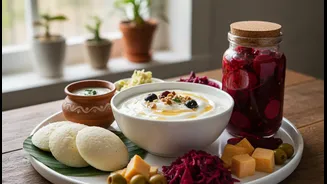
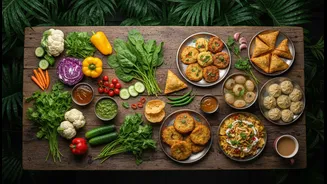
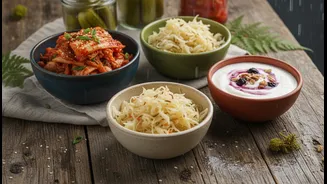
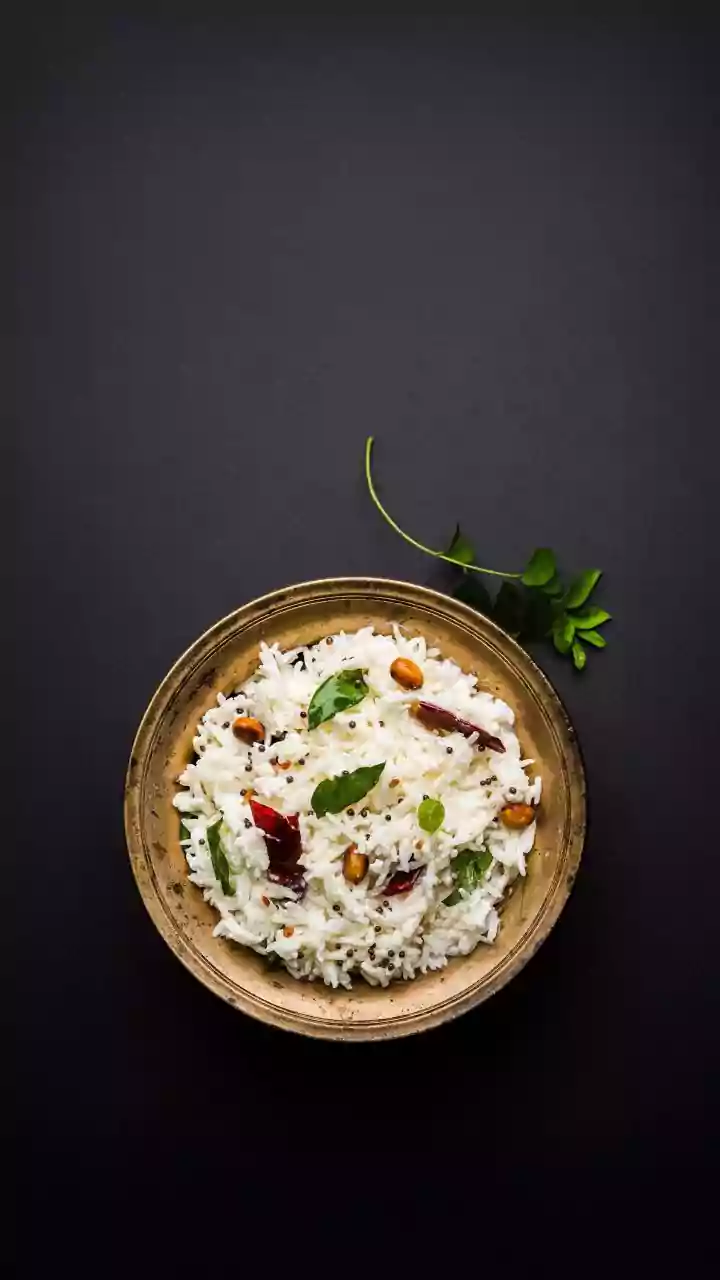
You don't need to look for exotic or expensive options to add fermented foods to your diet. The Indian kitchen is already full of them. Dahi (curd) is perhaps the most common and accessible source of probiotics, known for its cooling effect and ability to aid digestion. Buttermilk, or chaas, is an even lighter, hydrating option perfect for humid days. South Indian staples like idli and dosa are made from fermented batter, making them gut-friendly choices. In Gujarat, dhokla is made from a fermented batter of rice and chickpea flour. Other regional specialities include Kanji, a tangy drink from North India made with fermented black carrots or beetroot, and traditional homemade pickles (achaar), which can be great sources of probiotics when prepared through lacto-fermentation.
The 'Too Much of a Good Thing' Rule
While fermented foods are beneficial, it's possible to overdo it. Suddenly introducing a large amount of probiotics can sometimes lead to temporary digestive discomfort like bloating, gas, or an upset stomach as your body adjusts. This is a normal reaction as the new bacteria get to work. Additionally, some fermented foods are high in histamines, which can trigger allergy-like symptoms such as headaches or stomach issues in sensitive individuals. People with a compromised immune system should also exercise caution. It's also worth noting that many commercial pickles are high in salt and oil, so homemade versions where you can control the ingredients are often a better choice.
How to Start Slow and Steady
The key to successfully incorporating fermented foods is to start small and listen to your body. Begin with a small portion, like a few spoonfuls of dahi with your meal or a small glass of chaas, and see how you feel. Don't introduce several new fermented foods all at once. Give your gut time to adapt before increasing your intake or trying something new. Variety is also important; different foods contain different strains of beneficial bacteria. Try rotating between dahi, buttermilk, idli, and other fermented options. Finally, opt for homemade or trusted brands that mention 'live and active cultures' on the label to ensure you're getting the full probiotic benefit. Paying attention to freshness and hygiene is especially important during the monsoon.