



What Exactly Is El Niño?
El Niño, Spanish for 'the Christ Child', is a naturally recurring climate phenomenon characterised by warmer-than-average sea surface temperatures in the central and eastern tropical Pacific Ocean. Normally, trade winds blow from east to west, pushing
warm surface water towards Asia. During an El Niño, these winds weaken or even reverse, causing a massive pool of warm water to shift eastward, toward the Americas. This change in ocean temperature might seem distant, but it's powerful enough to disrupt atmospheric circulation, altering temperature and rainfall patterns across the globe, a process known as a teleconnection. Its effects are felt most strongly across the tropics but can influence weather far beyond.
From Weak to 'Super': Measuring Strength
Not all El Niño events are created equal. Scientists classify them based on their intensity: weak, moderate, strong, or the much-talked-about 'super' El Niño. The primary metric is the sea surface temperature anomaly in a specific part of the Pacific called the Niño 3.4 region. An El Niño is declared when temperatures are at least 0.5°C above average for several months. A 'very strong' or 'super' El Niño is typically classified when those temperature anomalies exceed 2.0°C. The stronger the event, the more heat and moisture are pumped into the atmosphere, increasing the potential for significant weather disruptions worldwide. Forecasts for the developing 2026 event suggest it could become one of the strongest on record.
The Urban Water Dilemma: Too Much or Too Little
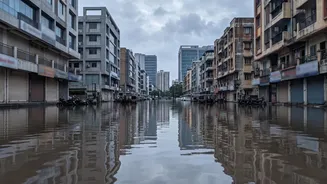
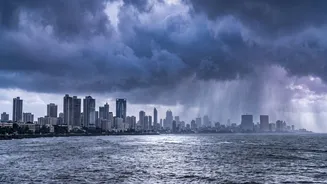
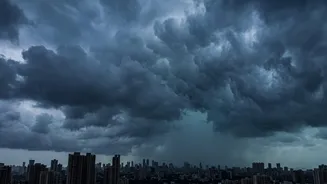
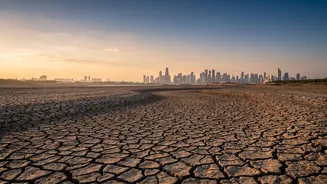
For cities, one of the most direct impacts of a strong El Niño is on water. The shift in weather patterns can lead to severe and prolonged droughts in some regions, while causing torrential floods in others. In India, El Niño is historically linked to weaker summer monsoons, which can deplete reservoirs that supply millions in urban centres. This threatens everything from drinking water availability to the agricultural supply chains that feed cities. Paradoxically, even with an overall reduction in monsoon rainfall, a strong El Niño can also increase the frequency of extreme, highly-localised downpours in certain parts of India, overwhelming urban drainage systems and causing devastating flash floods.
Infrastructure Under Unprecedented Strain
Urban infrastructure is built for a certain range of conditions, and a powerful El Niño can push systems past their breaking point. Extreme heatwaves, amplified by the urban heat island effect, can lead to surging electricity demand for cooling that strains power grids. This demand can cause blackouts just when they are most dangerous. Transportation is also vulnerable; intense heat can buckle roads and rail lines, while extreme rainfall can flood subways and shut down airports. These disruptions don't just cause inconvenience; they have cascading economic effects, halting commerce, disrupting supply chains, and requiring costly repairs.
A Threat to Public Health and Economies
The impacts of a strong El Niño extend directly to the health and economic well-being of city dwellers. Heatwaves are a major public health threat, leading to heatstroke and other heat-related illnesses, especially among the elderly and outdoor workers. Flooding, meanwhile, can lead to the spread of water-borne diseases. Economically, a strong El Niño can disrupt industries critical to urban life. This includes everything from construction and logistics to the production of essential goods like silicon chips, which require vast amounts of water and are vulnerable to disruptions in the power grid.