





The Legacy of Halley's Comet
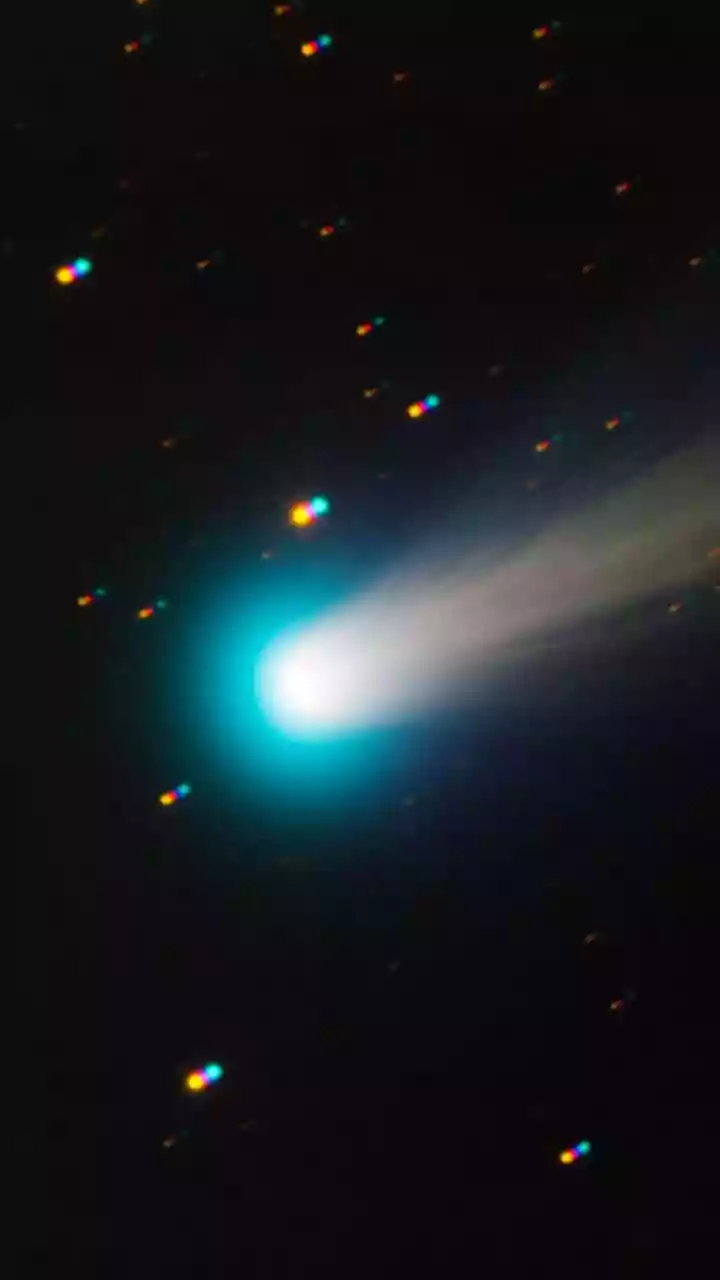
The Orionid meteor shower is an annual event that occurs when Earth passes through the dusty, icy trail left behind by one of the most famous comets in history: 1P/Halley. While Halley's Comet itself only visits our part of the solar system every 76 years,
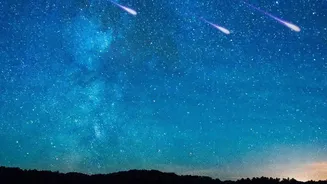
its legacy lights up our sky twice annually. These particles, many no bigger than a grain of sand, enter our atmosphere at tremendous speeds—around 66 kilometres per second—and burn up, creating the brilliant streaks of light we call meteors or shooting stars. The Orionids are known for their speed and brightness, and they often leave behind glowing trails that can linger for several seconds, making them a particularly stunning sight. In some exceptional years, the shower has produced dozens of meteors per hour, though a rate of 15 to 20 per hour is more typical under perfect conditions.
Best Dates and Times for Viewing
Mark your calendars for the pre-dawn hours of October 21st and 22nd, 2026. This is when the Orionid shower is predicted to reach its peak activity. While the shower is active from early October to early November, your best chance to see the highest concentration of meteors will be on these mornings. The key advice is to watch in the hours between midnight and dawn. For 2026, this timing is especially crucial because a bright waxing gibbous moon will light up the sky for much of the night. However, the moon will set a few hours before sunrise, creating a perfect, dark window for meteor watching. The best viewing will be from about 3 a.m. local time until the first light of dawn. During this time, the shower's radiant point—the spot in the sky where the meteors appear to originate—will be high in the sky, increasing your chances of a good show.
Where to Look in the Night Sky
The shower gets its name from the constellation Orion the Hunter, as the meteors appear to radiate from a point near Orion's club. You can find Orion rising in the east after midnight. Look for its most famous feature: the three bright stars that form Orion's Belt. The radiant is located north of the reddish star Betelgeuse. However, you don't need to stare directly at this point. In fact, it's better not to. Meteors will appear all across the sky, and those seen 45 to 90 degrees away from the radiant will appear longer and more dramatic. The best strategy is to find a comfortable spot, lie back, and take in as much of the sky as possible.
Finding Your Perfect Stargazing Spot
The single most important factor for a successful meteor shower watch is getting away from city lights. Light pollution from urban areas can wash out all but the brightest meteors, drastically reducing what you can see. Plan to drive at least 30-60 minutes away from any major town or city to find a location with a dark, open sky. In India, high-altitude locations like Ladakh, Spiti Valley, or hill stations around Uttarakhand and Coorg are famous for their pristine dark skies. But you don't have to travel to a designated reserve. Even the outskirts of your town, a quiet spot in the countryside, a national park, or a remote beach can offer excellent viewing. Check local weather forecasts for clear skies before you head out. The goal is to find a spot with an unobstructed view of the sky, far from the glare of streetlights and buildings.
A Checklist for a Comfortable Watch
You don't need any special equipment like a telescope or binoculars to watch a meteor shower; your eyes are the best tool for the job. The key is patience and comfort. Give your eyes at least 20 to 30 minutes to fully adapt to the darkness—avoid looking at your phone screen during this time. Since you'll be out in the cool, pre-dawn hours, dressing warmly is essential. Consider bringing a blanket or a reclining lawn chair so you can lie back comfortably without straining your neck. A flask of hot chai or coffee can make the experience even more enjoyable. If you need a light, use a torch with a red filter, as red light is less disruptive to your night vision.