



From Festive Treat to Daily Habit
The jar of mixed dry fruits, once reserved for Diwali gifts or garnishing kheer, has moved to the front of the pantry. What was an occasional indulgence has become an everyday health choice for millions of Indians. This transition is not accidental. Traditionally,
Indian snacking was a diverse world of regional favourites like chakli, chivda, and murukku. While these remain beloved, a parallel trend has emerged, driven by a conscious move from mindless indulgence to mindful nutrition. Nuts and seeds, once seen as premium or occasional, are now positioned as essential components of a healthy diet, available in single-serve packs that fit perfectly into a busy day.
The Health and Wellness Wave
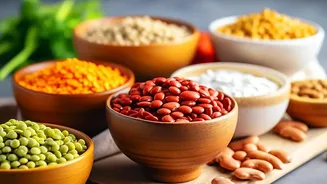
The single biggest driver behind this shift is a nationwide awakening around health and wellness. Growing awareness of lifestyle diseases has prompted consumers, especially in urban areas, to seek out snacks that do more than just fill a gap. They want functional foods that offer benefits like protein enrichment and improved energy. Studies show that a majority of Indian consumers now actively look for snacks with clean labels, natural ingredients, and no preservatives. Nuts and seeds perfectly fit this demand. They are naturally rich in protein, healthy fats, fibre, and essential minerals. This makes them a smarter choice than most packaged biscuits or fried namkeens, which are often loaded with refined flour and unhealthy fats. As a result, the 'healthy snack' category is booming, with smart snacking formats growing significantly faster than traditional ones.
Convenience for the Modern Indian
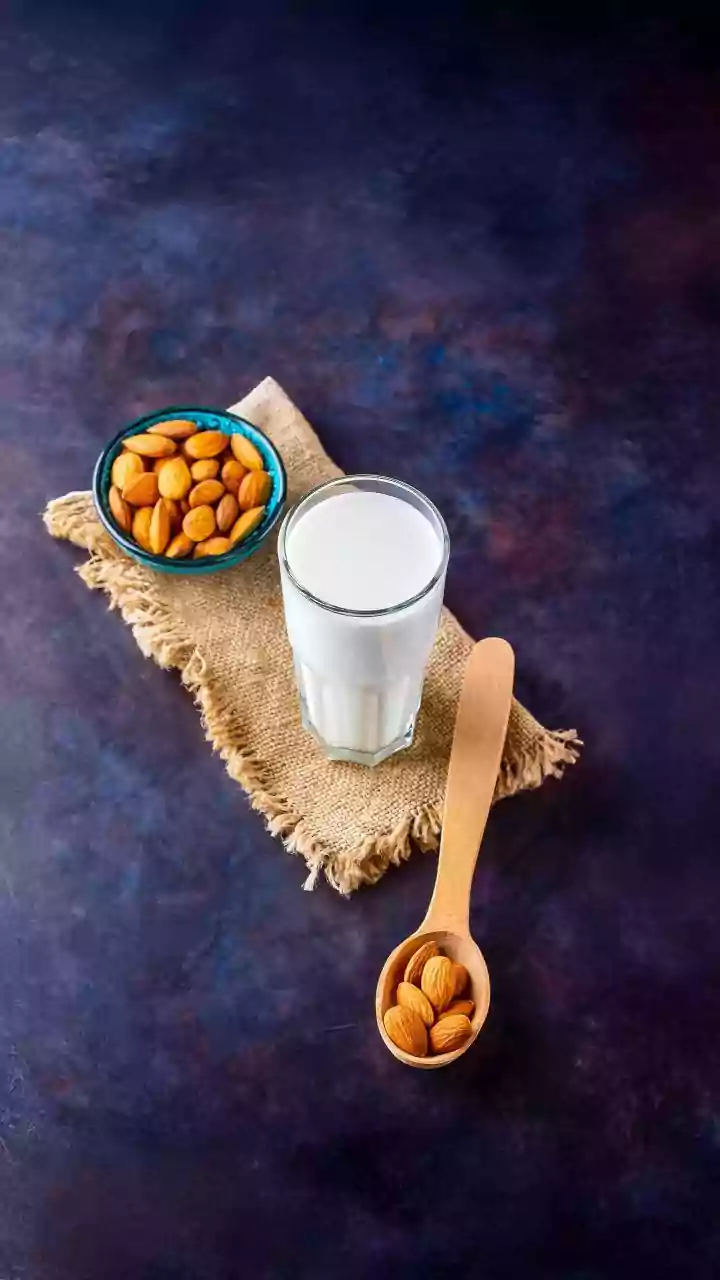
As lifestyles become more demanding and time-scarce, convenience has become a major factor in our food choices. For the busy urban professional juggling deadlines or a parent packing a tiffin box, nuts and seeds offer an unbeatable combination of portability, long shelf life, and no-mess eating. They are the ideal 'on-the-go' snack that doesn't require any preparation. The rise of quick commerce has further fueled this trend. The ability to get a small, healthy pack of roasted almonds or a seed mix delivered in minutes has made them more accessible than ever, replacing the casual trip to a local bakery for a puff or samosa.
The New Economic and Social Equation
This shift is also a story about India's changing economy. Rising disposable incomes have allowed a larger segment of the population to spend more on premium and health-oriented foods. What was once a luxury is now an affordable daily habit for many middle-class households. The Indian market for organic and packaged nuts and seeds is witnessing explosive growth, with projections showing it will be worth thousands of crores in the coming years. Furthermore, this trend reflects a change in social aspirations. Choosing a handful of walnuts over a biscuit is not just a health decision; for many, it's a lifestyle statement. It signifies a move towards global wellness trends, self-care, and a modern identity that prioritizes long-term well-being.