


The Challenge of Over-Tourism
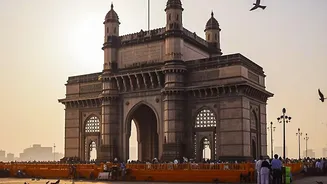
For decades, Indian tourism has been heavily concentrated in a few well-trodden circuits. While these destinations are undeniably magnificent, this focus has created significant problems. Popular sites often grapple with overcrowding, placing immense
strain on local infrastructure and the environment. This concentration of tourist activity also leads to economic disparity, where a few regions reap the financial benefits while vast parts of the country with rich cultural and natural heritage remain overlooked. Modern travellers are increasingly seeking more authentic and unique experiences, moving away from crowded spots in search of genuine connections with local cultures and pristine landscapes. This shift in preference presents a golden opportunity for India to rebalance its tourism strategy.
Unlocking India’s Hidden Treasures
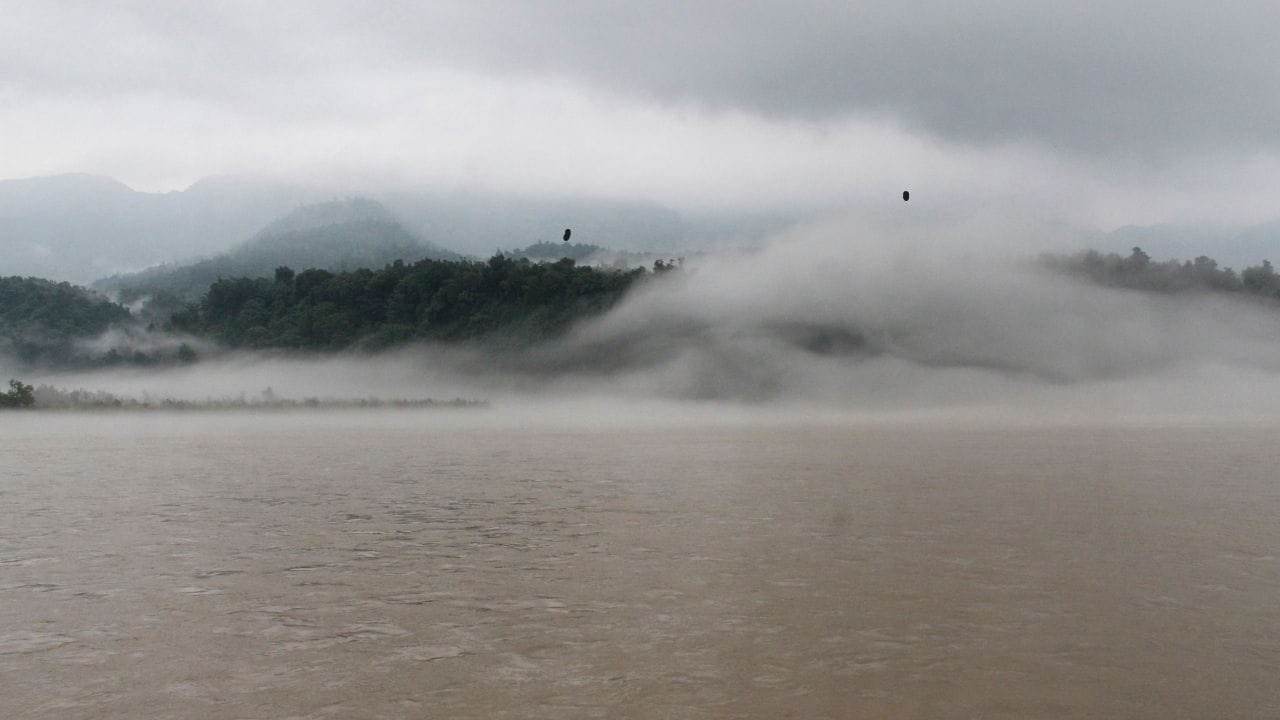
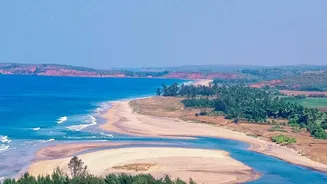
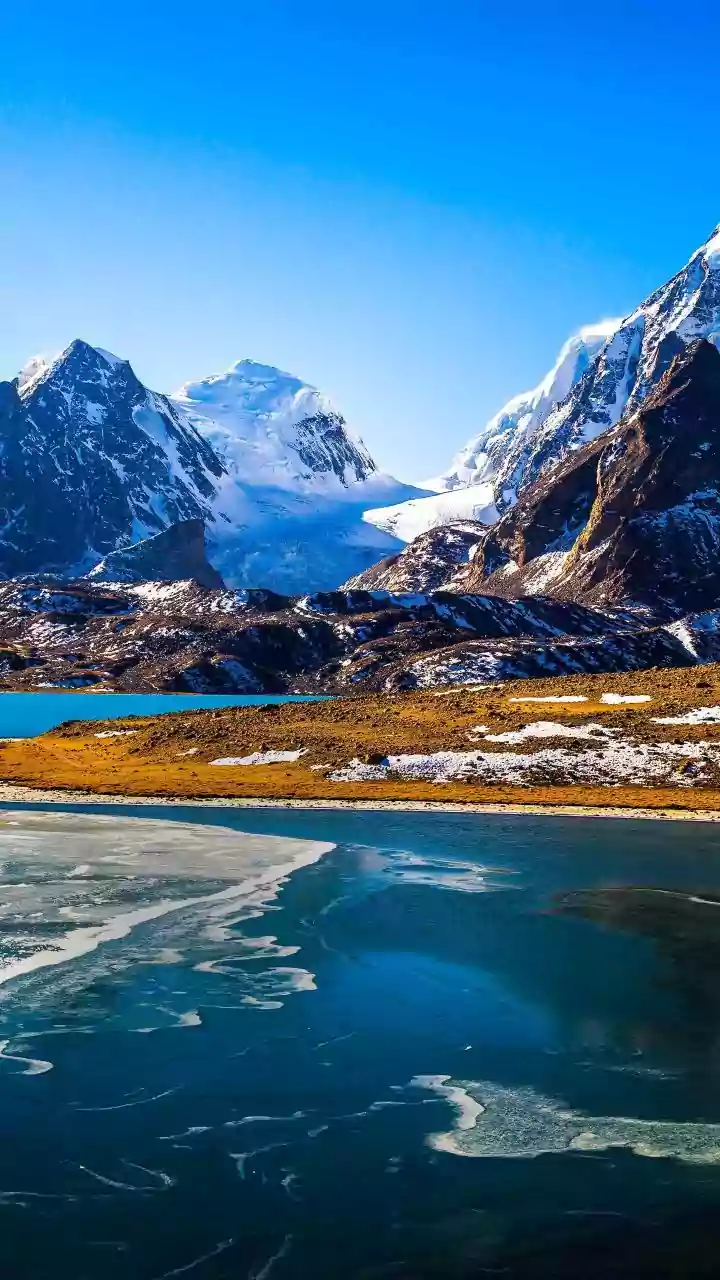
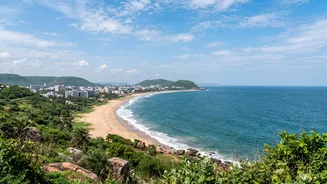
India’s true tourism potential lies in its incredible diversity, much of which is found off the beaten path. Imagine trekking through the serene Gurez Valley in Kashmir, exploring the ancient architectural wonders of Orchha in Madhya Pradesh, or discovering the unique river island of Majuli in Assam. These are just a few examples of places with immense appeal that are yet to see mainstream tourist footfall. By developing destinations like the tranquil beaches of Gokarna in Karnataka or the emerald Ziro Valley in Arunachal Pradesh, India can offer a wider array of experiences. This diversification not only caters to the evolving demands of travellers but also helps in the preservation of culture and nature by distributing tourism's footprint more evenly.
The Economic Ripple Effect for Local Communities
Developing tourism in lesser-known areas is a powerful tool for inclusive growth. When visitors explore these regions, their spending directly benefits the local economy in numerous ways. It creates a spectrum of employment opportunities—from tour guides and hospitality staff to transport providers and artisans selling local crafts. This economic infusion encourages entrepreneurship, with villagers opening homestays and small eateries, which provides supplementary income and empowers local communities, especially women. Furthermore, this can help reduce migration from rural areas to overcrowded cities by creating viable livelihoods at home. The development of rural tourism is increasingly recognised as a strategy that can transform village economies by diversifying income sources and generating stable employment.
A Strategic Push from the Government
The Indian government has recognised this potential and launched initiatives to steer tourism towards a more decentralized model. The Swadesh Darshan scheme, for instance, aims to develop theme-based tourist circuits, such as rural, eco, heritage, and spiritual circuits, to improve infrastructure and promote regional destinations. Building on its initial phase, Swadesh Darshan 2.0 now focuses on creating sustainable and responsible destinations with an experience-centric approach. Complementing this is the 'Dekho Apna Desh' campaign, which encourages domestic travellers to explore their own country, thereby shining a spotlight on hidden gems and fostering a sense of national pride. These programs work together to create an integrated ecosystem that supports the growth of new tourist hubs.
The Road Ahead: Balancing Growth and Sustainability
While the vision is promising, the path to developing new tourist destinations is not without its challenges. A primary hurdle is the infrastructure gap in many remote areas, including poor road connectivity and a lack of quality accommodation. Unplanned development carries the risk of environmental damage and the erosion of local culture, which are the very assets that attract tourists in the first place. Therefore, a sustainable approach is critical. This involves careful planning, robust marketing to put these new destinations on the map, and investing in skill development programs to ensure local communities can offer high-quality services. The goal is to grow responsibly, ensuring that tourism enriches rather than exploits these pristine regions.