







The Psychology of Plenty
There's a deep satisfaction that comes from a fully stocked pantry. Psychologically, buying in bulk taps into a desire for security and providing for your household. When we see a pallet of paper towels or a five-kilogram bag of rice, our brains register
abundance and value. This can be driven by a fear of scarcity, making us believe that buying more now is the smartest long-term strategy. Retailers understand this well, designing stores and promotions that encourage larger basket sizes. However, this feeling of getting a good deal can sometimes override rational thought about our actual needs, leading to what's known as 'bulk buyer's remorse'.
When a Good Deal Becomes Waste
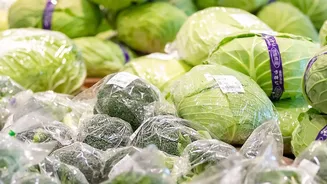
The primary drawback of bulk buying is food waste. Studies have shown that households that buy in bulk often throw out more food than those who shop more frequently. One study from the University of Arizona found people are often too ambitious, buying ingredients for meals weeks in advance, only to have plans change and the food spoil. Perishable items are the biggest culprits. That giant bag of salad greens, the family-sized tub of yogurt, or the two-for-one deal on avocados might seem like a bargain, but only if you consume them before they turn. An estimated 30-40% of the food supply in the United States goes to waste, and a significant portion of that happens in our own homes. An average family can waste thousands of dollars a year on uneaten food, effectively erasing any savings gained from bulk purchases.
The Ever-Changing Appetite
The headline's warning about a household's 'real appetite' is crucial. Families are not static. A child who loves a certain snack one week might refuse it the next. An adult might decide to try a new diet, making a recently purchased jumbo box of pasta irrelevant. Buying in bulk locks you into a specific product for a long time. Before committing to a year's supply of a single cereal, it's wise to consider 'taste fatigue'. What seems like a favourite today can become a monotonous chore to finish tomorrow. Experts recommend never buying something in bulk that you haven't tried before in a smaller size. This applies beyond food to items like lotions or vitamins, which might not suit you after a few uses.
A Smart Shopper’s Guide to Bulk Buying
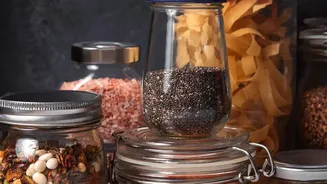
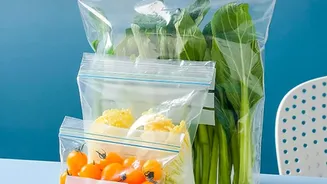
Being a savvy bulk shopper isn't about avoiding warehouse clubs; it's about being strategic. First, focus on items with a long shelf life that you consistently use, like paper products, cleaning supplies, and canned goods. For food, stick to pantry staples like dried beans, rice, and pasta, or items you can easily freeze in smaller portions, like meat. Second, always check the unit price. A larger package isn't automatically cheaper per ounce or per item. Third, be realistic about storage. Do you have a cool, dry place for that 10-kilogram bag of flour, or will it take over your kitchen and risk spoilage? Finally, consider splitting purchases with a friend or family member. This gives you the price benefit without the overwhelming quantity.