

More Than Just a Condiment
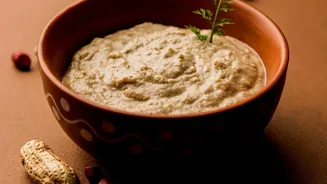
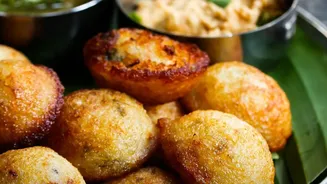
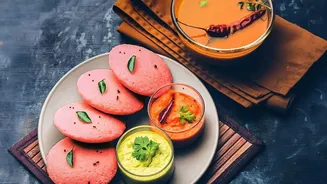
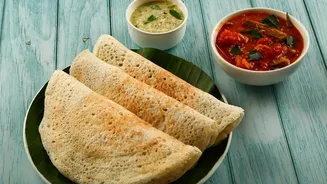
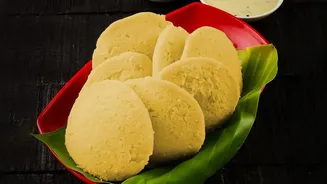
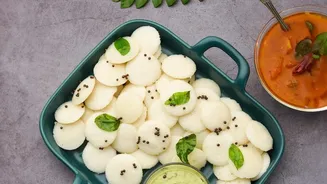
In India, chutney is far more than a simple dipping sauce; it's an essential part of the culinary fabric. From the ubiquitous mint-coriander and sweet-sour tamarind chutneys served with street food to the coconut-based varieties that accompany South Indian
staples like dosa and idli, these preparations add complexity, balance, and a burst of flavour to any meal. Traditionally made fresh, they represent the art of transforming simple, seasonal ingredients into something extraordinary. For generations, these familiar chutneys have been a constant on the Indian dining table, a comforting and reliable presence. But now, a new wave of culinary creativity is asking: what else can a chutney be?
A Return to Regional Roots
This chutney renaissance is part of a larger movement across India celebrating regional cuisines and hyperlocal ingredients. For years, mainstream Indian food was often defined by a handful of popular North Indian dishes. Now, chefs and food lovers are championing the incredible diversity of the country's culinary landscape, from Nagaland's fermented specialities to Kerala's coconut-rich coastal fare. This revival has sparked a renewed interest in ingredients that were once confined to specific communities or forgotten by younger generations. The logic is simple and sustainable: use what is local, seasonal, and abundant. This philosophy has opened up a treasure trove of possibilities for one of India's most adaptable foods.
New Flavours from Ancient Pantries
The results of this creative exploration are as diverse as India itself. In Uttarakhand, cooks are making nutty, earthy chutneys from roasted hemp seeds (bhaang). From Nagaland comes Axone, a pungent and deeply savoury chutney made from fermented soybeans. Chefs and home cooks are rediscovering the potential in everything from vegetable peels and seeds to unique local produce. Think of chutneys made with ridge gourd, bottle gourd scraps, or even jackfruit seeds. In Chhattisgarh, Odisha, and Jharkhand, the daring even make a fiery chutney from red ants, a delicacy known for the punchy flavour it gets from formic acid. Other unique creations feature ingredients like wild cucumbers from Rajasthan (kachri), souring agents like Malabar tamarind (kodampuli) from Kerala, and even flowers.
The Philosophy of Flavour
For the culinary professionals leading this charge, the goal is not just novelty but authenticity. It's about showcasing the incredible biodiversity of India and preserving culinary heritage. By bringing ingredients like peppery Kashmiri mint, tart Indian gooseberry (amla), or fiery Dalle chillies from Sikkim into the spotlight, they are telling a story about a place and its people. This approach honours the traditional wisdom of using every part of a plant, a practice born from resourcefulness long before 'zero-waste' became a popular term. The chutney becomes a vehicle for flavour and a carrier of culture, connecting diners to a specific region with every spoonful.
Not Just a Dip Anymore
These innovative chutneys are also changing how the condiment is used. While they still shine as accompaniments, their complex flavour profiles make them versatile ingredients in their own right. Modern cooks are using them as marinades for grilled meats and tofu, as a flavour base for pizza instead of tomato sauce, or even swirled into a grilled cheese sandwich for a spicy, smoky kick. A chutney-glazed paneer or a chaat featuring a surprising dollop of walnut or radish chutney can transform a familiar dish into a new experience. This evolution redefines the role of chutney in the kitchen, elevating it from a side dish to a star player.