


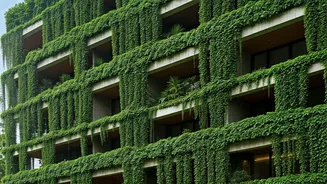



From Rooftop Garden to Mini-Forest
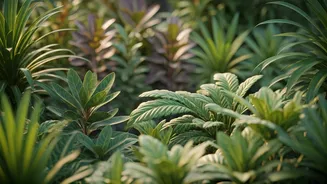
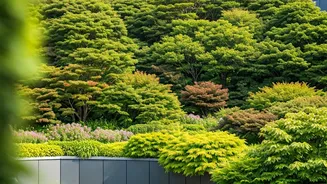
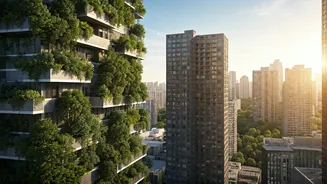
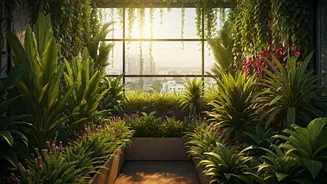
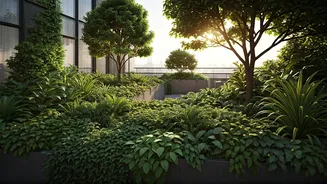
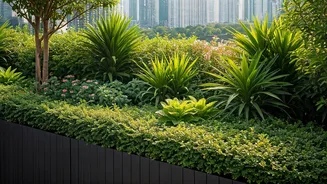
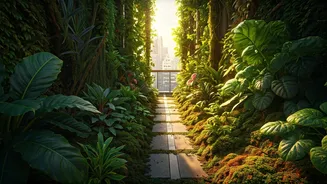
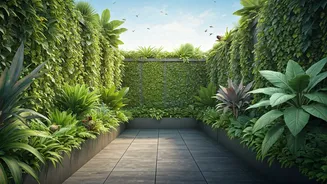
This isn't your average terrace garden with a few pots of tomatoes and marigolds. A terrace forest is a dense, multi-layered ecosystem of native trees, shrubs, and plants designed to mimic a natural forest. The goal is to create a self-sustaining habitat
that supports biodiversity. The concept has been popularized by eco-entrepreneurs like Shubhendu Sharma, whose company Afforestt uses the Miyawaki technique to create dense, fast-growing urban forests. This method involves planting a wide variety of native species close together, which forces them to compete for sunlight and grow upwards rapidly. This technique can create a mature forest ecosystem in a fraction of the time it would take naturally, making it ideal for urban spaces where immediate impact is desired.
The New Generation of Green Warriors
Driving this trend are young, environmentally conscious urbanites. For them, planting a forest is a tangible response to climate anxiety, rising pollution, and a disconnect from nature. In cities choked by traffic and construction, a personal forest offers a sanctuary—a space to breathe clean air and reconnect with the natural world. Individuals like Aman Sharma, a 23-year-old from Delhi, have transformed their terraces into thriving habitats for birds and butterflies. He turned an empty, unused space into a green haven with over 500 plants that now attract more than 100 bird species. This movement is not just about aesthetics; it's a form of activism, a way to reclaim a piece of the environment and make a visible, local impact when global problems feel overwhelming.
The Benefits of Going Up
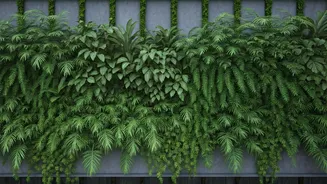
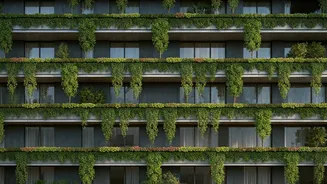
The positive effects of these rooftop ecosystems extend far beyond the individual terrace. They act as powerful tools against the urban heat island effect, with studies showing that green roofs can reduce surface temperatures by up to 20°C compared to conventional concrete roofs. These forests improve local air quality by absorbing carbon dioxide and filtering pollutants. A dense Miyawaki forest is said to be 30 times better at CO2 absorption than a simple lawn. Furthermore, they create crucial habitats for urban wildlife, bringing back birds, bees, and butterflies that have been displaced by urbanization. They also improve mental well-being, reduce stress, and can even provide fresh, organic produce.
Challenges on the Concrete Canopy
Creating a forest on a roof is not without its hurdles. The initial setup can be costly and requires significant effort. One of the primary concerns is structural integrity—buildings must be able to support the weight of soil, water, and mature plants. Waterproofing is another critical aspect to prevent leaks and damage to the structure below. Sourcing a diverse range of native plant species can also be challenging in some cities. Moreover, these projects require regular maintenance, especially in the first two to three years before the forest becomes self-sustaining. Despite these challenges, pioneers of the movement argue that with proper engineering and planning, these obstacles can be overcome.