





Ayurveda and the Monsoon
In Ayurveda, the monsoon season, or *Varsha Ritu*, is a unique and challenging time for the body. The damp, cool, and cloudy environment is believed to aggravate the *Vata dosha*—the energy associated with air and space, governing movement in the body. When
Vata is out of balance, it can lead to digestive issues like gas and bloating, joint aches, and a general feeling of instability or anxiety. Furthermore, the digestive fire, known as *agni*, is considered to be at its weakest during this period, making it difficult to break down heavy, oily, or cold foods.
The Need for Warmth and Simplicity
Because our digestive capacity is naturally lower, Ayurveda recommends shifting to a diet that is light, warm, and easy to digest. The goal is to pacify the aggravated Vata and support the sluggish agni. This means favouring freshly cooked meals over raw salads, warm soups over cold drinks, and simple ingredients over complex, rich preparations. It's about working with your body’s natural rhythm, providing it with nourishment that it can easily assimilate without being overburdened. This is where India's most beloved comfort food steps in.
Introducing: The Humble Khichdi
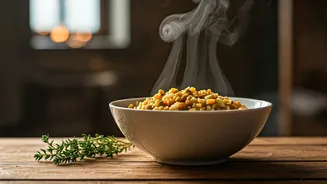
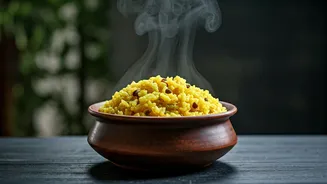
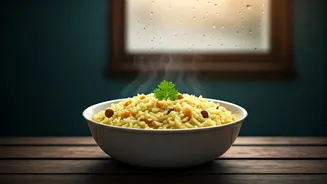
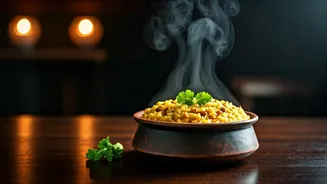
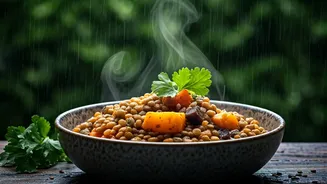
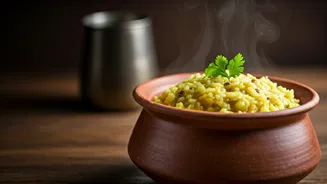
The Ayurvedic classic perfectly suited for rainy days is none other than Khichdi. Often dismissed as 'sick person food', Khichdi is, in fact, a nutritional powerhouse and a cornerstone of Ayurvedic healing. It's a simple, one-pot meal made from rice and lentils (typically moong dal), but its genius lies in its balance. According to Ayurveda, the combination of rice and moong dal creates a complete protein that is exceptionally easy to digest, making it the ideal food to nourish the body when the digestive fire is weak.
The Science of Comfort
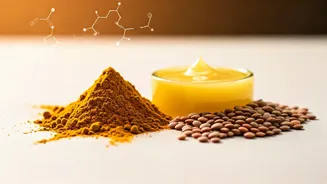
Every ingredient in a traditional Khichdi serves a purpose. Moong dal is the lightest and least gas-forming of all lentils. Rice provides carbohydrates for energy. The magic, however, is in the spices. A generous dollop of ghee (clarified butter) helps lubricate the digestive tract and pacify Vata. Turmeric is a powerful anti-inflammatory, ginger stokes the digestive fire, cumin aids digestion and relieves gas, and a pinch of asafoetida (hing) is famous for its digestive and anti-flatulence properties. Together, they create a meal that not only tastes delicious but actively works to restore balance and comfort from within.
Making the Perfect Monsoon Bowl
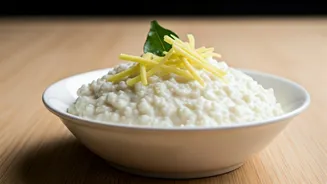
Making Khichdi is incredibly simple. For a basic version, you just need to pressure cook equal parts rice and split moong dal with water, salt, and turmeric. The key is in the *tadka* (tempering) added at the end. Heat a spoonful of ghee in a small pan, add cumin seeds, a pinch of asafoetida, and some grated ginger. Once the seeds splutter, pour this fragrant mixture over the cooked Khichdi. You can adjust the consistency by adding more or less water—a runnier Khichdi is even easier to digest. Serve it hot, perhaps with a side of plain yoghurt or a simple vegetable stir-fry, for the ultimate rainy-day meal.