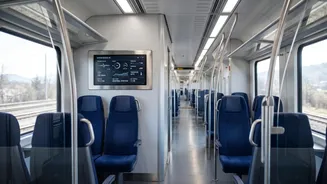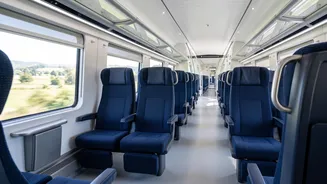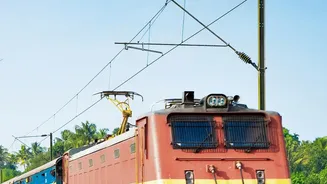





The state of train cleanliness has long been a topic of discussion among Indian passengers. Now, the Northeast Frontier Railway (NFR) is aiming to end the debate with a high-tech overhaul of its onboard housekeeping services.
A Digital Overhaul for Onboard Hygiene
The Northeast Frontier Railway
has rolled out what it calls 'enhanced On-Board Services', a comprehensive system designed to elevate cleanliness and passenger comfort. This is not just about adding more cleaning staff; it is a technology-driven strategy that introduces new layers of monitoring and accountability. The initiative relies on a suite of digital tools, including geo-tagged verification of services, tracking of housekeeping staff, and a centralised dashboard that gives officials a real-time view of operations. At its core, the system aims to ensure that prescribed cleaning schedules are not just followed, but are also verified digitally, leaving no room for lapses. By becoming the second zonal railway in the country to adopt such a measure, NFR is setting a new benchmark for what passengers can expect from their journeys.
How It Works in Real-Time
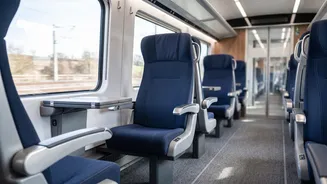
The new system brings a proactive approach to a traditionally reactive service. Instead of waiting for passenger complaints, dedicated teams are now deployed on trains to manage housekeeping tasks throughout the journey. These responsibilities include the regular cleaning of coaches and AC windows, diligent maintenance of washrooms, efficient waste management, and the timely distribution and collection of linen. Crucially, the railway has set a firm target of resolving any passenger complaint within two hours. If an issue—be it a dirty washroom or a lack of water—is not addressed within this timeframe, it is automatically escalated to higher authorities for immediate intervention. This process is underpinned by digital tracking, which ensures that both the complaint and the subsequent action are logged and monitored, creating a transparent chain of accountability.
AI and Passenger Feedback Take Center Stage
Perhaps the most forward-thinking aspect of this initiative is its use of artificial intelligence and direct passenger feedback. The NFR will employ AI-based assessments to evaluate the effectiveness of the cleaning. This technology can analyse images or data to provide an unbiased rating of cleanliness, helping managers identify specific areas that require improvement. Complementing this is a system for collecting real-time passenger feedback and star ratings. This allows travellers to instantly report their satisfaction levels, giving the railway a constant stream of data on service quality. Together, these tools help create a continuous improvement loop, where performance is constantly measured, and standards are consistently refined based on both technological evaluation and the lived experience of passengers.
The Five Routes Leading the Change
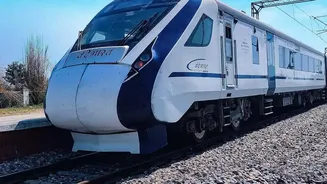
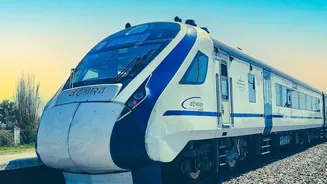
This ambitious project was launched in mid-October 2026 across five key superfast train services, including two popular Vande Bharat Express routes. The trains now equipped with these enhanced services are the Kamakhya–SMVT Bengaluru Express, the Guwahati–Kolkata Garib Rath Express, and the Dibrugarh–Mumbai LTT Express. Additionally, the New Jalpaiguri–Patna Vande Bharat Express and the New Jalpaiguri–Guwahati Vande Bharat Express are part of this initial rollout. The selection of these long-distance and high-demand routes indicates a clear intent to test and prove the system's effectiveness where it matters most, impacting thousands of travellers and setting a visible standard for future expansion.
Part of a Bigger Modernisation Push
The NFR's initiative is a key part of Indian Railways' broader mission to modernise its network and enhance the passenger experience through technology. This move aligns with other recent digital upgrades, such as the introduction of QR codes on food packets to ensure food safety and traceability, and QR-linked ID cards for catering staff to prevent unauthorised vending. These efforts collectively signal a significant shift towards a more transparent, efficient, and passenger-centric railway system. By using digital tools to solve age-old problems like inconsistent cleanliness and slow complaint redressal, Indian Railways is gradually rebuilding passenger trust and demonstrating a commitment to world-class service standards.