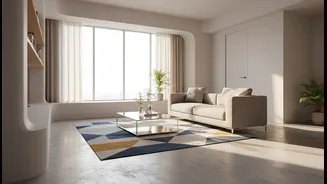







The Allure of the Perfect Look
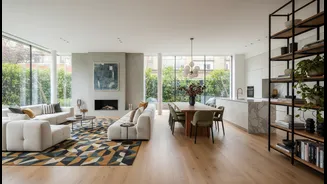
We’ve all been there, scrolling through images of pristine, magazine-worthy homes and feeling a pang of desire. The allure of a perfectly curated space is powerful. From gleaming marble countertops to all-white minimalist living rooms, the temptation
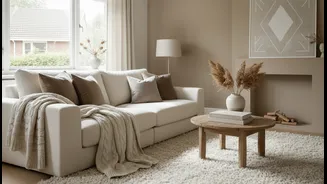
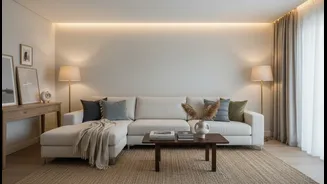
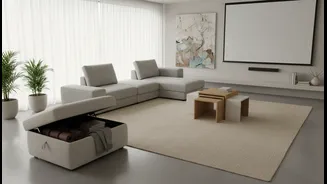
is to replicate a look without considering the reality of living in it. This focus on aesthetics, or 'form', is about how a space makes us feel visually and the personality it projects. A beautiful home can feel like a sanctuary, a reflection of our taste and aspirations. But when that beauty comes at the cost of everyday convenience, the dream can quickly become a daily annoyance. That luxurious white sofa might look incredible, but it's a constant source of anxiety with kids, pets, or a cup of coffee.
When Beauty Betrays Function
The principle that the design of an object should be based on its purpose is known as 'form follows function', a concept from architecture that is critical in interior design. When this rule is ignored, the results can be frustrating. Think of a stunning kitchen island that is so large it disrupts the workflow, turning cooking into a chore. Or consider open shelving in a kitchen; it looks chic in photos but becomes a magnet for dust and clutter in a real, working home. Other common mistakes include ornate light fixtures that are impossible to clean, dining rooms located too far from the kitchen, and bathroom doors that open directly into a main living area. In each case, a choice was made for appearance over practicality, and the livability of the space suffers as a result.
The Golden Rule: Liveability First
A truly well-designed home is one that supports your daily life, making routines easier, not harder. This is the 'function' side of the equation, covering everything from layout and movement to comfort and storage. Before making any design choice, the first step is to define your goals for the space. How do you and your family actually live? If your living room's main purpose is for hosting game nights, then a beautiful but small sofa that limits seating is a functional failure, no matter how good it looks. The goal is to create a natural and logical flow between high-traffic areas, ensuring movement is seamless and intuitive. When you prioritize functionality, you create a home that works for you, rather than a home you have to work to live in.
Finding the Perfect Balance
The good news is that you don't have to choose between a beautiful home and a functional one. The two can and should coexist. Achieving this balance starts with a plan. Before you buy a piece of furniture or commit to a layout, think through your daily habits. Ask critical questions: Does this layout improve the flow of the room? Will this material be durable enough for its intended use? Does this piece of furniture solve a problem or create a new one? For example, if you love the look of open shelving, consider a mix of open and closed storage to get the aesthetic without sacrificing practicality. Opt for performance fabrics on upholstery to get style without the stress. By making intentional choices, you can create a space that is both visually stunning and a joy to live in every single day.