








What Sattvik Traditionally Means
For generations, the concept of a Sattvik diet has been deeply rooted in Indian spiritual traditions, particularly Ayurveda and yoga. It’s more than just a list of foods to eat or avoid; it’s a philosophy for living. The word 'Sattvik' derives from 'sattva',
one of the three gunas (qualities) in Hindu philosophy, representing purity, harmony, and balance. A Sattvik diet is designed to promote this state of being, fostering a calm mind, a healthy body, and spiritual growth. Traditionally, this means consuming fresh, light, and nourishing foods that are easy to digest. Think seasonal fruits, vegetables, whole grains, legumes, nuts, and milk products. Crucially, it also involves avoiding rajasic (stimulating) foods like onions, garlic, coffee, and spicy dishes, as well as tamasic (dulling) foods like processed items, stale leftovers, meat, and alcohol. This wasn't a 'diet' in the modern sense but a conscious choice to align one's inner state with a higher purpose.
The Modern Wellness Makeover
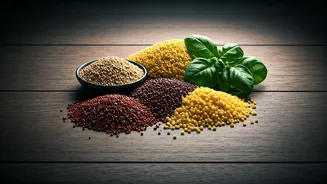
Today, Sattvik principles are being rediscovered and rebranded for a new audience, often stripped of their deep spiritual context. In the world of wellness influencers, health cafes, and digital content, Sattvik eating is now presented as the ultimate 'clean eating' plan or seasonal 'detox'. The language has shifted from 'purity' to 'gut health', from 'harmony' to 'anti-inflammatory', and from 'spiritual energy' to 'a natural glow'. You'll see this every year, particularly around festivals like Navratri. What was once a period of religious fasting and introspection is now framed as the perfect '9-Day Sattvik Challenge'. The food itself gets a modern aesthetic: samak rice is presented like a trendy quinoa bowl, kuttu ki roti becomes a gluten-free flatbread, and makhana (fox nuts) are touted as a superfood snack. It’s Sattvik, but optimised for Instagram.
From Ritual to Health Hack
This transformation marks a significant cultural shift. The focus moves from a collective, faith-based ritual to an individualised, health-focused project. When Sattvik eating is packaged as seasonal wellness, it becomes a temporary solution rather than a holistic lifestyle. It's something you 'do' for a week or a month to reset your system, lose a few kilos, or clear up your skin before returning to your normal routine. The 'why' has changed. Instead of being a tool for mental clarity and spiritual connection, it’s positioned as a bio-hack for physical optimisation. This isn't inherently negative; the health benefits of a plant-forward, minimally processed diet are well-documented. But this framing detaches the practice from its roots, turning a profound system of living into a simple, transactional wellness trend.
A Welcome Update or a Loss of Meaning?
There are two ways to look at this trend. On the one hand, repackaging Sattvik food has made it more accessible and appealing to a younger, more secular generation. Many people who might have been intimidated by the spiritual aspects are now embracing the dietary principles for their health benefits. This renewed interest is also boosting local, seasonal produce and reviving heirloom grains like amaranth and buckwheat. However, there's a risk of dilution. When ancient wisdom is cherry-picked for social media, its deeper meaning can be lost. The commodification of Sattvik eating can create pressure to perform 'wellness' perfectly, complete with aesthetically pleasing meals, rather than encouraging a genuine, personal journey toward balance. It risks turning a path to inner peace into another source of external validation.